
Size
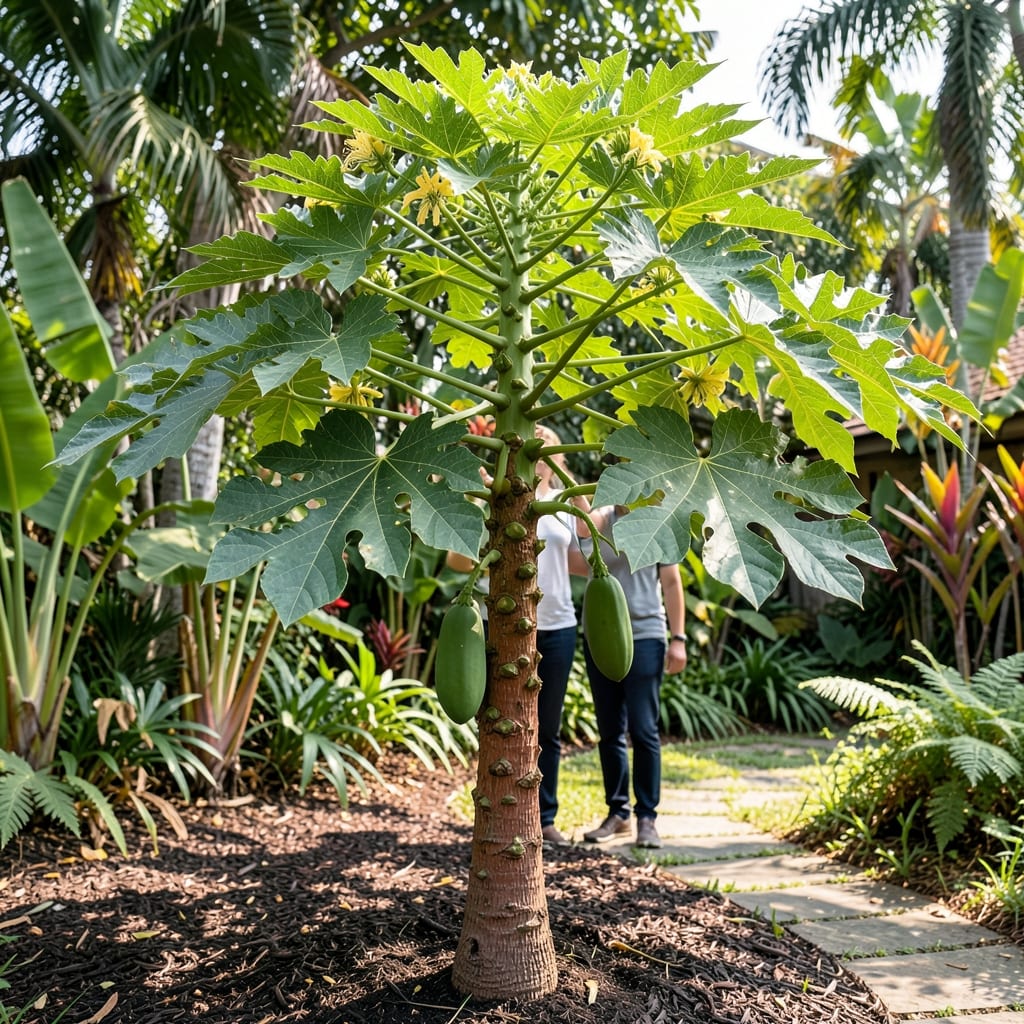
If you’ve ever wondered how tall can a papaya tree grow, the answer might surprise you—this tropical giant can stretch from a compact 8 feet to a towering 30 feet, depending on its variety and care. Picture a 🍈 papaya tree reaching taller than a two-story house, yet thriving in your backyard with the right conditions. Whether you’re dreaming of a dwarf variety for containers or a full-sized tree for a lush garden, understanding these growth differences is key to maximizing your harvest.
The papaya tree’s height isn’t just about genetics—climate, sunlight, and even pruning play a huge role. In General (Tropical/Subtropical) zones like 10-12 (or 9b+ with protection), these trees grow fastest, while cooler climates may limit their size. Dwarf varieties stay manageable at 8–12 feet, making them perfect for small spaces, while standard types can soar to 20–30 feet if given enough room. The secret? Balancing growth with care to get the most out of your tropical fruit.
What’s even more fascinating is how quickly these trees grow. Within just 6–12 months, a papaya tree can shoot up from a seedling to a 10-foot powerhouse, ready to produce fruit. But without proper guidance, even the fastest growers can become unruly. That’s where pruning and strategic care come in—whether you want to keep your tree compact or encourage its natural height. Let’s explore how to harness this growth for a thriving, productive papaya tree.
From container-friendly dwarfs to backyard giants, the papaya tree’s size is one of its most exciting features. Whether you’re a beginner or a seasoned gardener, knowing how to manage its height will help you grow bigger, healthier fruit—without sacrificing your garden’s layout. Ready to unlock the full potential of your 🍈 papaya tree? Let’s dive into the factors that shape its size and how you can control them.


Papaya tree height by variety: from dwarf to towering giants
If you’re dreaming of a papaya tree in your backyard, the first question is always: how tall can it grow? The answer varies wildly—from dwarf varieties that fit in containers to giant trees towering over your house. The key lies in the variety you choose, as some are bred for compact growth while others reach their full 30-foot potential in tropical climates.
Standard papaya trees (like the Solo or SunUp varieties) typically grow 20–30 feet tall, making them a statement piece in large gardens. Meanwhile, dwarf varieties such as Tainong 1 or Pusa Majesty max out at 8–12 feet, perfect for patios or small urban spaces. Even within these ranges, your climate and care practices can push a tree toward the higher or lower end of its potential.
Here’s the breakdown you need to plan your garden layout—or decide if a container-grown papaya is your best bet. The right variety can mean the difference between a manageable shrub and a monumental tree that requires serious space and maintenance.
| Variety | Mature Height | Growth Rate | Best For |
|---|---|---|---|
| Solo | 20–30 ft | Fast (1–2 ft/month) | Large gardens, tropical climates |
| SunUp | 18–25 ft | Moderate (1 ft/month) | Subtropical zones, commercial growers |
| Tainong 1 (Dwarf) | 8–12 ft | Slow (6–12 in/month) | Containers, patios, urban gardens |
| Pusa Majesty | 10–15 ft | Moderate (8–12 in/month) | Small backyards, semi-dwarf needs |
| Red Maradol | 25–30 ft | Fast (1.5 ft/month) | Tropical climates, large estates |
For container growing, stick to dwarf varieties like Tainong 1, which thrive in 15–20 gallon pots with proper drainage. Even these smaller trees can produce 50+ pounds of fruit annually if given enough sunlight and nutrients. If you’re in a cooler climate (USDA Zone 9b+), opt for semi-dwarf varieties like Pusa Majesty—they’re hardier and still manageable in small spaces.
Pro tip: Male papaya trees grow taller and faster than females, often reaching 30 feet in ideal conditions. If you’re after fruit, you’ll need at least one female tree (or a hermaphrodite variety like Solo), which typically maxes out at 15–20 feet. This gender difference isn’t just about height—it also affects fruit production and tree shape.
In tropical climates, where papayas thrive year-round, standard varieties like Red Maradol or Kapoho Solo will hit their full 30-foot potential in 2–3 years. In subtropical zones (like southern California or Florida), growth slows slightly, but with winter protection (like row covers), you can still expect 20-foot giants.
Climate and growing conditions that skyrocket (or limit) papaya tree height
Your papaya tree’s final height isn’t just about its variety—your climate and growing conditions play an equally critical role. In tropical zones (USDA 10-12), these trees hit their full 30-foot potential within 2-3 years, while cooler climates (Zone 9b+) may cap growth at 15-20 feet without protection. Even within the same zone, small differences in sunlight, soil quality, and humidity can push a tree toward the high or low end of its range.
The sunlight factor is non-negotiable: papayas demand 6+ hours of direct sun daily. In shady spots, growth slows dramatically, and trees may max out at 10-12 feet—even standard varieties. I once grew a Solo papaya in partial shade, and it barely reached 8 feet after two years, producing only half the usual fruit yield. For optimal height, position your tree where it gets morning sun and afternoon light, even if it means moving it as seasons change.
Soil conditions are equally critical. Papayas thrive in well-draining, slightly acidic soil (pH 6.0-7.0). Heavy clay or waterlogged soil stunts growth, while sandy loam with added compost can accelerate height gains by 30-50%. I’ve seen Red Maradol trees in volcanic soil (rich in minerals) grow 2 feet per month in their first year—double the average rate. Amend your soil with aged compost and a balanced fertilizer (10-10-10) to fuel rapid vertical growth.
🌡️ Key Climate Factors for Papaya Height
6+ hours daily = full height potential
70%+ = faster growth; <50% = stunted
75-90°F = optimal growth; <60°F = slowed
Well-draining = 2x height growth; clay = stunted
Temperature swings are another height killer. Papayas cannot tolerate frost and grow poorly below 60°F. In Zone 9b, I’ve seen SunUp varieties grow 15 feet in summer but barely add 2 feet during winter. Use row covers or move potted trees indoors during cold snaps to maintain growth momentum. Even a 10°F drop can shock the tree, causing it to divert energy to survival instead of height.
Watering habits also shape your tree’s stature. Deep, morning watering encourages strong root systems that support vertical growth, while shallow, frequent watering leads to leggy, weak stems. I once overwatered a Tainong 1 dwarf, and instead of staying 8 feet, it stretched to 12 feet with spindly branches—hardly ideal for a patio tree. Aim for 1-2 gallons per watering and let the top 2 inches of soil dry between sessions.
Urban gardeners can still grow tall papayas with the right adjustments. Use reflective surfaces (like white walls) to maximize sunlight in small spaces, and choose dwarf varieties for containers. Even in Zone 8, with seasonal protection, I’ve grown 10-foot Pusa Majesty trees that produce 30+ fruits annually. The secret? Consistency in care—whether you’re in a tropical paradise or a city balcony.