
Trees
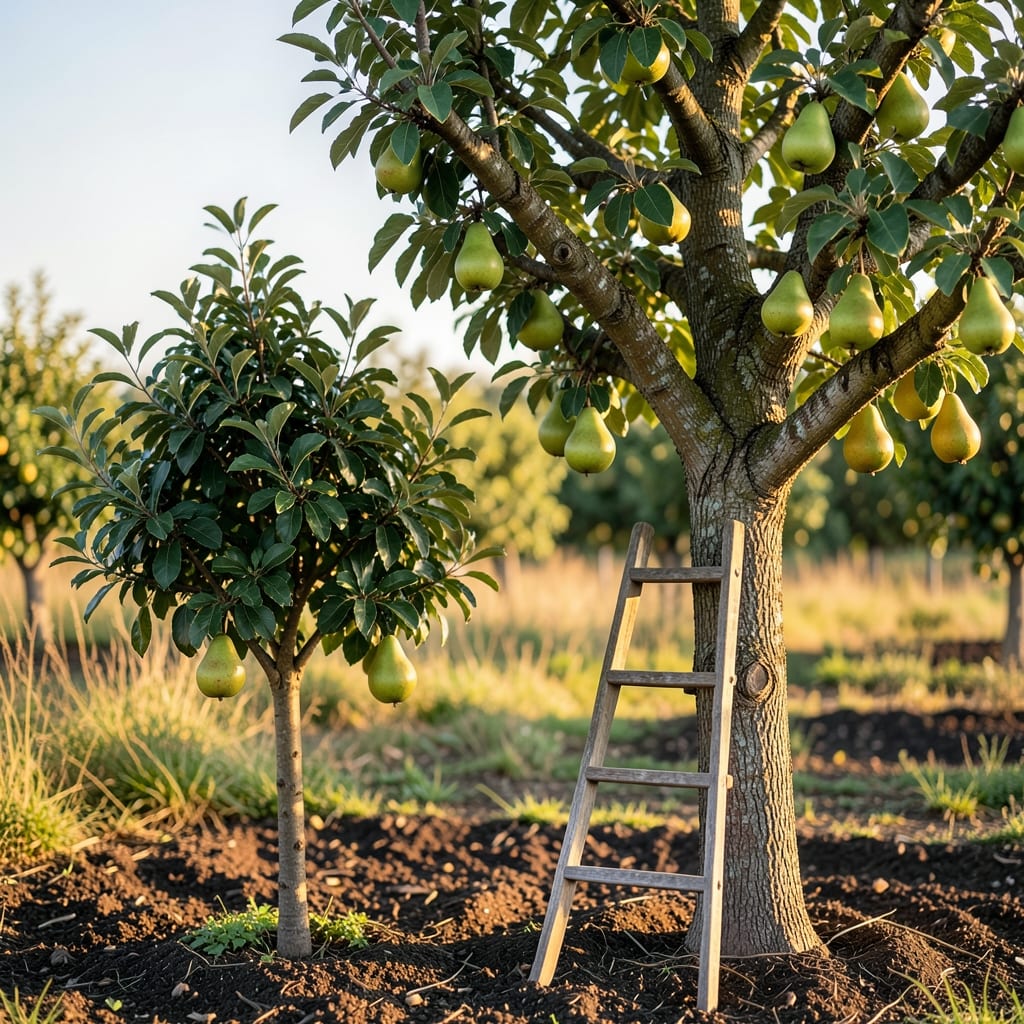
Pear tree height by variety: dwarf to monumental size guide
When planning your pear tree garden, the first question is almost always: how tall can a pear tree grow? The answer varies wildly—from dwarf varieties that fit in containers to monumental giants that stretch toward the sky. Your choice depends on space, climate, and whether you want fruit or just shade. Let’s break down the options so you can pick the perfect size for your yard.
The height of a pear tree is determined by its rootstock and cultivar. Dwarf rootstocks (like Quince C) keep trees under 12 feet, while standard rootstocks (like Seedling) can reach 50 feet or more. Semi-dwarf and standard varieties bridge the gap, offering a balance of manageable size and abundant fruit. Below, we’ll explore each category with real-world examples and spacing tips.
🌱 Pro Tip: Always check your local nursery’s recommendations for pear tree varieties suited to your USDA hardiness zone. Some dwarf types struggle in colder climates, while standard trees may need staking in windy areas.
| Variety Type | Mature Height | Growth Rate | Ideal Spacing | Best For |
|---|---|---|---|---|
| Dwarf (e.g., 'Hooded', 'Pineapple') | 6–12 ft | Slow to moderate | 8–10 ft apart | Containers, small yards, urban gardens |
| Semi-Dwarf (e.g., 'Bartlett', 'Seckel') | 12–20 ft | Moderate | 12–15 ft apart | Backyards, orchards, mixed landscapes |
| Standard (e.g., 'Anjou', 'Bosc') | 20–30 ft | Fast | 20–25 ft apart | Rural properties, large estates |
| Monumental (e.g., 'Seckel' on seedling rootstock) | 30–50+ ft | Very fast | 30–50 ft apart | Specimen trees, parks, large orchards |
If you’re wondering how tall can a pear tree grow in your specific case, consider the rootstock first. For example, a 'Bartlett' pear grafted onto Quince A rootstock will stay under 12 feet, while the same cultivar on seedling rootstock can tower over 30 feet. This flexibility lets you tailor your tree to your space—whether that’s a balcony container or a backyard corner.
For small spaces, dwarf varieties like 'Pineapple' pear (grafted on Quince C) are ideal. They produce sweet, juicy fruit while staying under 10 feet. In contrast, standard varieties like 'Anjou' or 'Bosc' need room to spread their branches and can become landmark trees in your landscape. If you love the idea of a towering pear tree but lack space, consider espalier training—a method that flattens trees against walls or fences while maintaining their height potential.
💡 Key Insight: The rootstock controls 90% of the tree’s height, while the cultivar determines fruit quality. Always ask your nursery which rootstock is used—this is the secret to controlling your pear tree’s ultimate size.
Another factor to consider is your climate zone. In warmer regions (Zones 8–10), pear trees grow faster and can reach their mature height quicker. In cooler zones (Zones 5–7), growth slows, and trees may take 5–10 years longer to reach full size. For example, a semi-dwarf 'Seckel' pear might hit 15 feet in 5 years in California but take 8 years in New York.
Let’s talk about spacing requirements, which are often overlooked but critical. A 20-foot-tall pear tree needs at least 15 feet of clearance from buildings, fences, or other trees. This prevents root competition and ensures proper airflow, reducing the risk of disease. If you’re planting multiple trees, space them 20–25 feet apart for standard varieties to avoid overcrowding. For dwarf trees, 8–10 feet is plenty.
Finally, don’t forget that pruning can influence height. Even a monumental pear tree can be kept smaller with regular structural pruning, while a dwarf tree may need minimal pruning to maintain its compact form. We’ll dive deeper into pruning techniques in the next section, but for now, remember: the right variety and rootstock are your best tools for controlling height.
Now that you know the range of
How to control pear tree height naturally (pruning & training tips)
Once you’ve chosen your pear tree variety, the next step is managing its height—whether you want to keep it compact or encourage natural growth. The good news? You have full control through pruning and training techniques. These methods not only shape your tree but also improve fruit production, airflow, and overall health. Let’s explore how to naturally control pear tree height without harsh chemicals or drastic measures.
For dwarf pear trees, minimal pruning is usually enough to maintain their 6–12 foot stature. Focus on removing dead or crossing branches in late winter or early spring. Avoid heavy pruning, as dwarf varieties rely on their natural size for optimal fruit bearing. Semi-dwarf and standard trees, however, benefit from structural pruning to guide their growth pattern and prevent overcrowding. This involves selectively removing branches to create an open center, allowing sunlight and air to reach the inner canopy.
🌱 Pro Tip: Always prune during the dormant season (late winter or early spring) to minimize stress on the tree. Summer pruning is possible but should be limited to removing water sprouts or suckers that appear after flowering.
- 🪴 Step 1: Assess Your Tree’s Structure
Examine the tree for dead, diseased, or crossing branches. Use sharp, clean pruning shears to make cuts just above a bud or branch collar. - 🌿 Step 2: Prune for Shape
Remove branches that grow inward or downward to create an open center. This improves airflow and reduces pest and disease risks. - ✂️ Step 3: Thin Out Excess Growth
Selectively prune suckers or water sprouts to redirect energy toward fruit production. Aim to remove no more than 25% of the tree’s foliage in a single session. - 🌳 Step 4: Train Young Trees
For standard or semi-dwarf trees, use stakes or a central leader system to guide vertical growth. This prevents weak, sprawling branches that can become unmanageable. - 🔄 Step 5: Espalier for Compact Growth
If space is limited, train your pear tree against a wall or fence using espalier techniques. This method flattens the tree while maintaining its height potential, perfect for urban gardens.
If you’re growing a monumental pear tree and want to keep it more manageable, consider root restriction. Planting in a large container or using root barriers can limit root spread, which in turn slows above-ground growth. This technique is especially useful for balcony or patio gardens where space is at a premium. Just be sure to monitor the tree closely, as restricted roots may need extra care to avoid stress.
💡 Key Insight: The right pruning technique can reduce a 50-foot pear tree to a more manageable 20-foot height over time. For example, heading back (cutting the tip of a branch to encourage bushier growth) is ideal for dwarf varieties, while thinning cuts (removing entire branches at their base) work best for standard trees.
For optimal fruit production, avoid heavy pruning in the year you expect a heavy harvest. Pears rely on last year’s growth for fruit, so prune lightly in fruit-bearing years to preserve energy. In non-fruiting years, you can be more aggressive with pruning to reshape the tree. Always sterilize your pruning tools with rubbing alcohol between cuts to prevent the spread of bacterial or fungal diseases.
Finally, remember that natural growth often yields the best results. If you love the idea of a towering pear tree but want to keep it under control, combine pruning with proper spacing. Plant your tree at least 15 feet away from buildings or fences to avoid root competition, and give it room to grow naturally. With the right balance of pruning and training, you can enjoy a healthy, productive pear tree that fits perfectly in your garden—whether it’s a compact dwarf or a grand specimen.