
Size
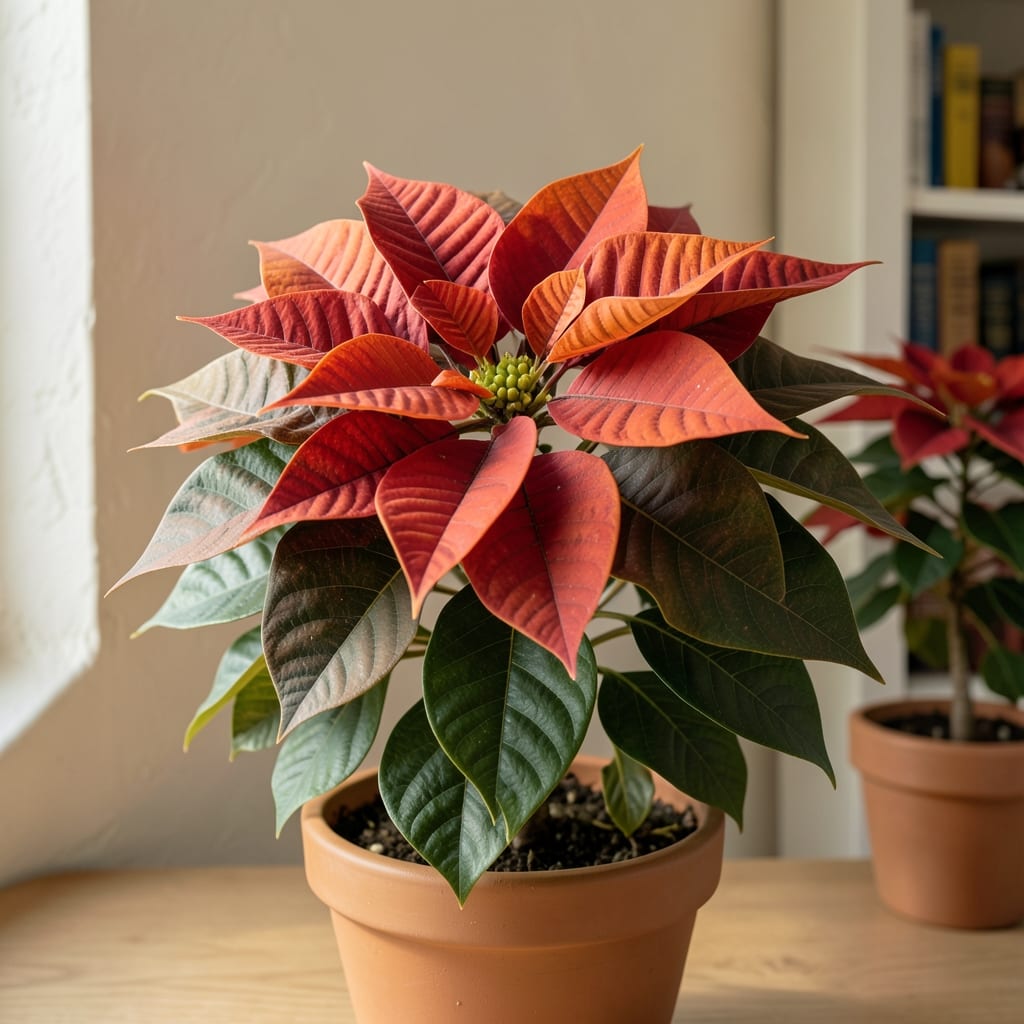
If you’ve ever wondered how tall can a poinsettia grow—or whether your 🎄 will soon be towering over your bookshelf—you’re not alone. These vibrant holiday plants can surprise you with their size, depending on the variety and care you provide.
Standard poinsettias often reach 3 to 4 feet tall, making them a statement piece in any room. But dwarf varieties stay compact at just 1 to 2 feet, perfect for smaller spaces. The key to controlling their height lies in pruning and lighting, which I’ll break down so you can shape your plant’s growth exactly how you want.
Whether you’re growing a poinsettia for its stunning bracts or just love its festive charm, understanding its growth habits is the first step to keeping it healthy and thriving. Let’s dive into the exact heights by type and the simple tricks to keep your plant at the perfect size.
From choosing the right variety to mastering pruning techniques, you’ll learn everything you need to ensure your poinsettia stays the height you want—without sacrificing its beauty. Ready to take control of your plant’s growth?

Poinsettia height guide: exact growth ranges by popular variety
Poinsettias (Euphorbia pulcherrima) are stunning holiday plants, but their mature height can vary dramatically depending on the variety and growing conditions. While most people picture the classic 3-4 foot standard poinsettia, dwarf and semi-dwarf varieties stay much smaller—ideal for apartments or desks. The key to predicting your plant’s height lies in understanding these differences and how care practices influence growth.
Standard poinsettias like Classic Red or Premier Red typically reach 3 to 4 feet tall when mature, making them perfect centerpieces. These varieties grow aggressively with proper care, but their height can be managed with pruning. Meanwhile, dwarf varieties like Jingle Bells or Proven Winners Dwarf max out at just 1 to 2 feet, perfect for smaller spaces or as gift plants.
Here’s a quick breakdown of how popular poinsettia varieties compare in height and growth habits:
| Variety | Mature Height | Growth Rate | Best For |
|---|---|---|---|
| Classic Red | 3–4 ft | Moderate (1–2 ft/year) | Centerpieces, large spaces |
| White Starburst | 2–3 ft | Slow to moderate | Elegant displays, gifts |
| Jingle Bells (Dwarf) | 1–2 ft | Slow (compact growth) | Desks, small pots, gifts |
| Proven Winners Dwarf | 1.5–2.5 ft | Slow (bushy habit) | Patio planters, balconies |
| Premier Red | 3–4 ft | Fast (2 ft/year) | Holiday displays, large pots |
If you’re growing a poinsettia for the first time, light exposure plays a huge role in height. Plants grown in bright indirect light (like an east or west-facing window) tend to stay compact and bushy, while those in low light stretch taller and leggier. This is why many gardeners use grow lights during winter to control height and encourage fuller growth.
The age of the plant also affects height. First-year poinsettias typically reach 1 to 2 feet tall, while mature plants (3+ years old) can grow 3 to 4 feet if given ideal conditions. However, most people grow poinsettias as annuals, repotting them each year to reset their growth cycle.
For those who want to keep their poinsettia under 2 feet, choosing a dwarf variety or using pruning techniques (which I’ll cover in the next section) is the easiest way. Even standard varieties can be trained to stay smaller with consistent care and strategic trimming.
One common misconception is that poinsettias grow taller in outdoor conditions. While they can tolerate brief outdoor exposure in summer (with 60+°F temperatures and no direct sun), they’re primarily indoor plants. Outdoor conditions can actually stress the plant, leading to uneven growth or height spikes.
Whether you’re aiming for a towering holiday centerpiece or a compact desk plant, selecting the right variety and providing consistent care will determine your poinsettia’s final height. Next, I’ll share my top pruning tips to shape your plant’s growth exactly how you want it.
Poinsettia height guide: exact growth ranges by popular variety
Poinsettias aren’t one-size-fits-all when it comes to height. The variety you choose determines whether your plant will stay cozy on a side table or stretch toward your ceiling. Standard varieties like Classic Red typically reach 3 to 4 feet tall, while dwarf types like Proven Winners’ Mini Jingle Bells max out at just 1 to 2 feet. Even within the same family, growth habits can vary based on care and genetics.
For example, the White Starburst variety often grows 2 to 3 feet tall, making it a great mid-size option for living rooms. Meanwhile, Premier Red can hit 4 feet if left unpruned, turning your holiday centerpiece into a vertical statement. Understanding these ranges helps you pick the perfect poinsettia for your space—whether you want a compact desk buddy or a dramatic focal point.
| Variety | Mature Height | Growth Rate | Best For |
|---|---|---|---|
| Classic Red | 3–4 ft | Moderate (1–2 ft/year) | Holiday centerpieces |
| White Starburst | 2–3 ft | Slow to moderate | Small spaces, desks |
| Jingle Bells | 1.5–2.5 ft | Compact growth | Gift-giving, tablescapes |
| Premier Red | 3.5–4 ft | Fast (2+ ft/year) | Large rooms, statement plants |
| Proven Winners Mini | 1–1.5 ft | Slow | Kitchens, offices |
If you’re growing poinsettias long-term, remember they’re not perennials—they’re typically treated as seasonal plants. However, with proper care, you can re-bloom the same plant year after year, and its height will stabilize after 2–3 years of growth. For instance, a 2-foot dwarf variety will rarely exceed that height if pruned correctly, while a 4-foot standard may grow taller unless you intervene.
Light plays a huge role in height control. Poinsettias grown in low-light conditions often stretch taller and leggier, while those in bright indirect light stay bushier and more compact. Place your plant near an east or west-facing window to encourage balanced growth. Avoid south-facing windows, which can scorch the leaves and stress the plant, leading to uneven height development.
Pro tip: If you’re worried about a poinsettia growing too tall, start with a dwarf variety or a semi-dwarf like Winter Rose, which tops out at 2.5 feet. These are bred specifically to stay manageable, making them ideal for beginners or small spaces. For larger varieties, plan to prune regularly to maintain your desired height—more on that in the next section!