
Size
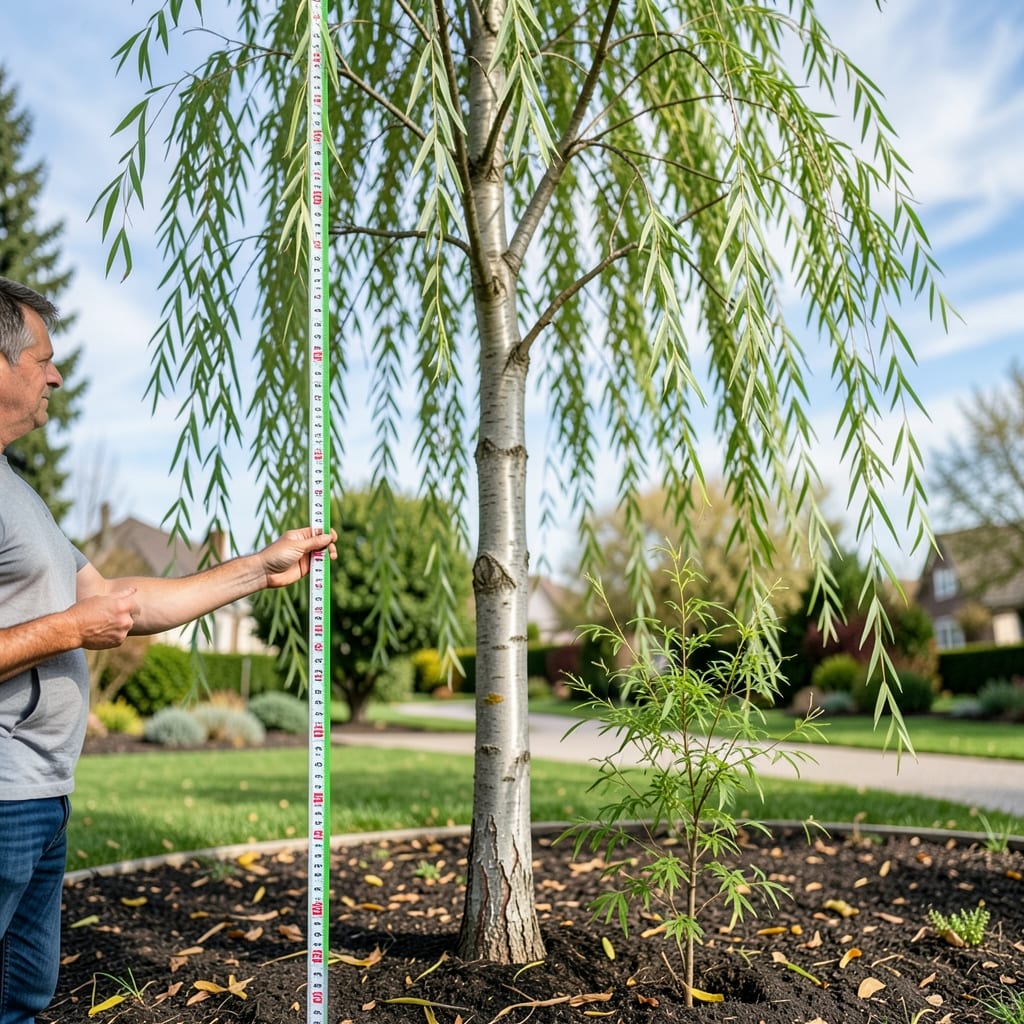
If you’ve ever wondered how tall can a willow tree grow, you might be amazed to learn these fast-growing giants can shoot up to 100 feet in just a few years. These towering beauties can reach staggering heights, but their growth depends on more than just time.
Picture a weeping willow 🌳 swaying over a pond or a crack willow standing tall in a meadow—both can dwarf even the tallest buildings in your neighborhood. But before you plant one, you’ll want to know which species stays compact and which could outgrow your yard (or your HOA’s patience).
We’ll break down the fastest-growing willow varieties, how soil, sunlight, and pruning can shape their height, and whether you can really grow a 100-foot tree in your backyard. Spoiler: It’s possible, but you’ll need a plan.
From dwarf varieties to towering giants, discover how to harness a willow’s rapid growth—or rein it in—so you end up with the perfect tree for your space. Let’s dig in.

Willow tree height by species: from dwarf varieties to towering giants
Willow trees are famous for their explosive growth rates, but not all species reach the same sky-piercing heights. Some varieties stay compact, while others become 100-foot giants in just a few decades. The key difference? Genetics, climate, and care. Let’s break down the tallest (and shortest) willow species and what makes them grow the way they do.
If you’re dreaming of a privacy screen or a shade provider, some willows will deliver—while others might surprise you with their dwarf stature. The Weeping Willow (Salix babylonica), for example, can reach 50–75 feet with its iconic drooping branches, while the Dwarf Willow (Salix repens) maxes out at just 3 feet—perfect for rock gardens.
🌳
| Variety | Mature Height | Growth Rate | Ideal Climate |
|---|---|---|---|
| Weeping Willow (Salix babylonica) | 50–75 ft | 3–5 ft/year | USDA Zones 5–9 |
| Black Willow (Salix nigra) | 30–50 ft | 2–4 ft/year | USDA Zones 4–9 |
| Crack Willow (Salix fragilis) | 60–80 ft | 4–6 ft/year | USDA Zones 5–8 |
| Pussy Willow (Salix discolor) | 15–25 ft | 1–2 ft/year | USDA Zones 3–8 |
| Dwarf Willow (Salix repens) | 3 ft | 6–12 in/year | USDA Zones 4–9 |
| Golden Willow (*Salix alba 'Tristis') | 20–30 ft | 2–3 ft/year | USDA Zones 5–9 |
The Crack Willow is the fastest grower, capable of adding 4–6 feet per year in ideal conditions. This makes it a favorite for erosion control along riverbanks, but its aggressive roots can also damage foundations if planted too close to homes.
On the opposite end, the Dwarf Willow is a low-maintenance ground cover that spreads horizontally instead of vertically. It’s perfect for border plantings or rock gardens where height isn’t a concern.
If you’re in USDA Zone 5 or warmer, the Weeping Willow is a classic choice for pondside planting or large landscapes. Just be prepared for its aggressive root system, which can spread 50 feet or more from the trunk.
For urban gardeners with limited space, the Golden Willow offers a compact alternative with golden foliage. It’s slower-growing but still reaches 20–30 feet, making it ideal for medium-sized yards.
🌿
What determines a willow tree’s height: soil, sun, and secrets to control growth
You’ve picked your willow variety—now comes the fun part: watching it grow. But how tall a willow tree reaches depends on more than just genetics. Soil quality, sunlight exposure, and even water availability can push a willow toward the sky or keep it grounded. Let’s explore the key factors that determine whether your willow becomes a 100-foot giant or stays manageable.
Willows thrive in moist, well-draining soil, but they’re also famously adaptable. A Black Willow in a swampy area might grow 50% taller than one planted in dry, rocky soil. The secret? Willows have aggressive root systems that seek out water, and when they find it, they grow like crazy. If your soil is clay-heavy or compacted, roots struggle to spread, slowing vertical growth.
🌱
Sunlight: Willows need full sun (6+ hours daily) to reach their full height. In partial shade, growth slows dramatically—expect 30–50% less height compared to sun-drenched spots. The Weeping Willow, for example, can hit 75 feet in full sun but may only reach 40 feet with limited light.
Water Access: Willows are water hogs. A tree near a pond or with automatic irrigation can grow 2–3 feet taller per year than one in dry soil. Drought stress stunts growth, so mulching and regular watering (especially in first 2 years) are critical for maximizing height.
Pruning Timing: Prune in late winter (before buds swell) to control height. Cutting back 1/3 of new growth annually can reduce height by 30–50% over time. Avoid pruning in summer or fall, as this triggers sprouting that can make the tree bushier but not necessarily taller.
Soil Nutrients: Rich, nitrogen-heavy soil fuels rapid growth. A balanced fertilizer (10-10-10) applied in early spring can add 1–2 extra feet per year compared to unfertilized trees. Over-fertilizing, however, can lead to weak wood and disease.
Climate Zone: Willows in USDA Zones 5–9 grow fastest due to longer growing seasons. In colder zones (3–4), growth slows significantly—expect 20–30% less height than in warmer climates. Microclimates (like urban heat islands) can also boost growth by 10–15%.
Want to encourage maximum height? Plant your willow in full sun, keep the soil moist but not waterlogged, and fertilize lightly in spring. For height control, prune aggressively in late winter and avoid overwatering. Remember: a willow’s height is a balance of nature and nurture—give it the right conditions, and it’ll reach for the sky.
Pro tip: If you’re growing a Weeping Willow near a pond or stream, its roots will naturally seek water, but its branches will droop dramatically, creating that iconic cascade effect. For a taller, upright willow, choose the Crack Willow—it grows straighter and faster, making it ideal for windbreaks or privacy screens.
🪴