
How To
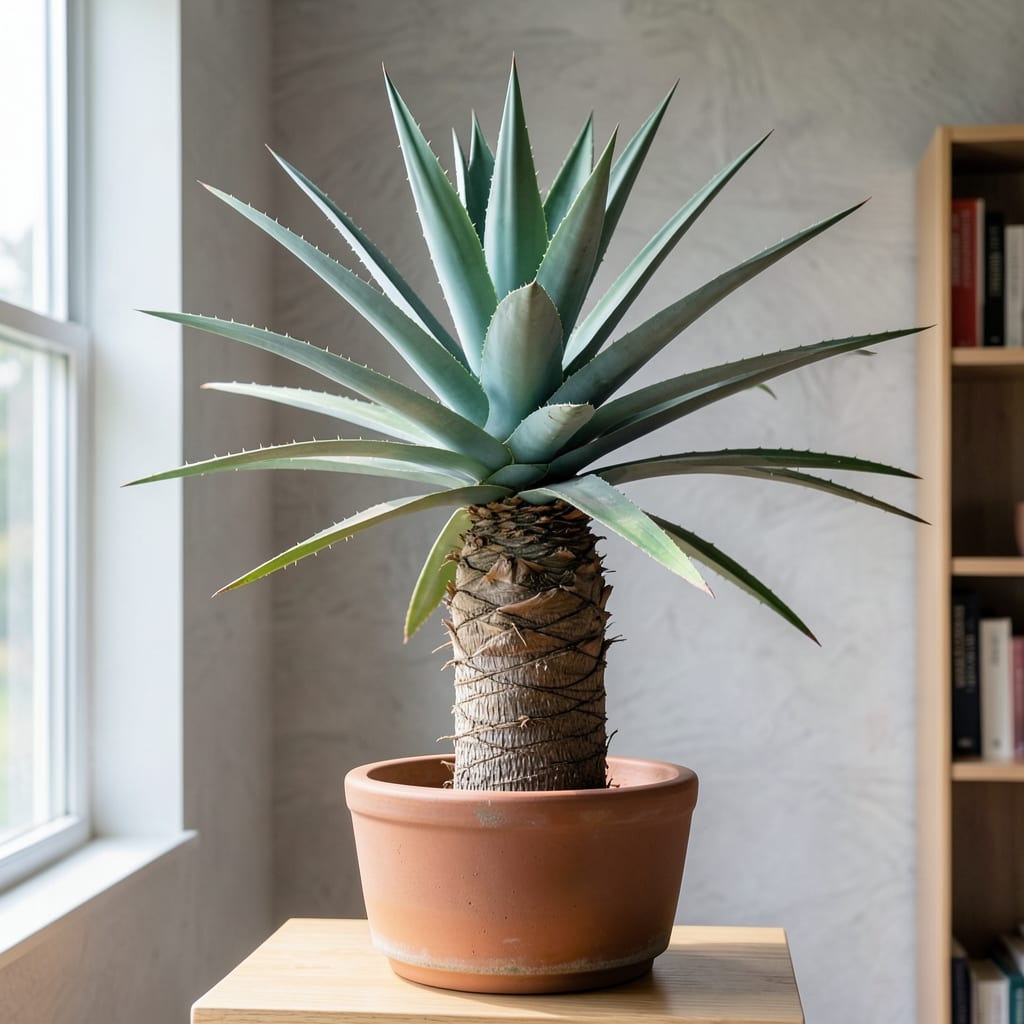
Wondering how tall can a yucca grow in your backyard? These striking 🌵 plants can surprise you with their dramatic height variations—some stay compact while others shoot up like architectural skyscrapers. Whether you're planning a desert-inspired garden or just curious about their growth potential, knowing the right variety and care tips is the key to unlocking their full stature.
Yuccas like Yucca elephantipes can reach 10-20 feet tall, towering over most homes, while smaller species like Yucca filamentosa stay around 3-5 feet. The difference comes down to genetics, sunlight exposure, and soil conditions—all factors you can influence to shape your plant's future height. Let's break down what makes some yuccas grow like weeds (in a good way) and others stay neatly contained.
If you're dreaming of a statement-making yucca that rivals your roofline, you'll need to pay attention to sunlight, watering habits, and even pruning techniques. But don't worry—we'll cover all the secrets to encouraging (or controlling) that vertical growth without turning your garden into a jungle. Ready to discover how to grow a yucca that matches your vision?
The best part? Yuccas thrive in USDA Zone 6a and beyond, making them perfect for spring planting in April-May. Whether you're working with a small patio or a sprawling landscape, you can tailor your care routine to grow the exact height you want. Let's dive into the specifics so you can start planning your perfect yucca today.

Yucca plant height by variety: from dwarf to giant species
Yuccas are famous for their dramatic height variations, ranging from compact shrubs to towering giants that rival small trees. The species you choose determines whether your yucca will stay under 5 feet or shoot up to 20 feet—or anywhere in between. Let’s explore the most popular varieties and their mature heights so you can pick the perfect fit for your space.
For gardeners with limited space, dwarf varieties like Yucca filamentosa (Adam’s needle) and Yucca recurvifolia (Spanish dagger) are ideal, typically reaching 3-5 feet tall. These low-maintenance plants thrive in USDA Zone 6a and beyond, making them perfect for small gardens or container growing. Their architectural shape adds structure without overwhelming your landscape.
If you’re dreaming of a statement-making centerpiece, Yucca elephantipes (spineless yucca) is a top choice, often growing 10-20 feet tall in ideal conditions. This variety is fast-growing and can develop a trunk-like base over time, resembling a miniature palm tree. For a medium-height option, Yucca gloriosa (Spanish bayonet) typically reaches 6-10 feet, striking a balance between manageable size and dramatic presence.
Here’s a quick comparison of yucca heights by variety to help you visualize their mature sizes and choose wisely for your garden:
When selecting a yucca, consider not just its height potential but also its growth habits. For example, Yucca elephantipes can develop a thick trunk over time, while Yucca filamentosa stays more shrub-like. If you’re planting in containers, dwarf varieties will thrive, but larger species like Yucca elephantipes may need oversized pots to accommodate their root systems and eventual height.
One common misconception is that all yuccas grow equally fast. In reality, growth rates vary by species and environmental conditions. For instance, Yucca elephantipes can add 2-3 feet per year in ideal conditions, while Yucca recurvifolia grows more slowly, taking 5-7 years to reach maturity. Understanding these differences helps you set realistic expectations for your garden timeline.
For gardeners in USDA Zone 6a, timing your planting in April-May gives yuccas enough time to establish roots before winter. Planting too early can expose young plants to frost damage, while late planting may stunt early growth. Always choose a well-draining soil to prevent root rot, as yuccas hate soggy conditions. With the right variety and care, your yucca can become a long-lived centerpiece that adds drama to your landscape for decades.
Pro tip: If you’re unsure about a yucca’s mature height, check local nurseries for mature plant photos or ask staff about the variety’s growth habits. Some nurseries even label plants with height estimates, saving you from surprises down the road. Whether you’re aiming for a compact accent plant or a towering garden feature, choosing the right yucca variety is the first step to achieving your vision.
🌵
How to maximize yucca growth: sunlight, soil, and water secrets
Want your yucca to reach its full height potential? The secret lies in mimicking its natural desert habitat. Yuccas thrive with full sun exposure, well-draining soil, and minimal watering—three factors that directly impact how tall your plant grows. Let’s break down the exact conditions your yucca needs to shoot up like a skyscraper (or stay compact if that’s your goal).
First, sunlight is non-negotiable. Yuccas crave 6+ hours of direct sunlight daily, ideally in a south-facing location. Without enough sun, growth stalls, and your plant may stay stunted or leggy. In hot climates, they can even tolerate partial sun, but full sun is key for maximizing height. If you’re growing yuccas in containers, place them near a sunny window or use grow lights during shorter days.
Next, soil drainage makes or breaks yucca growth. These plants hate soggy roots, which can lead to root rot and stunted growth. Amend your soil with sand or gravel to improve drainage, or plant in raised beds if your native soil is heavy clay. A slightly alkaline soil (pH 6.0-8.0) is ideal, but yuccas are adaptable as long as water drains quickly.
Here’s how to optimize your yucca’s growth conditions for maximum height:
💡 Yucca Growth Hacks
- Sunlight: Place in full sun (6+ hours/day) for fastest growth.
- Soil: Mix in sand or perlite to prevent waterlogging.
- Water: Deep soak every 2 weeks; reduce in winter.
- Fertilizer: Use low-nitrogen (5-10-10) in early spring only.
Pro tip: Yucca elephantipes grows 2-3 feet per year in ideal conditions, while dwarf varieties grow slower.
Watering is where many gardeners go wrong. Yuccas are drought-tolerant, and overwatering is their #1 killer. Instead of frequent shallow watering, give your yucca a deep soak every 10-14 days in spring and summer, then reduce to monthly in fall and winter. In containers, water slightly more often (every 7-10 days) since pots dry out faster. Always water in the morning to let foliage dry before nightfall, reducing fungal risks.
For extra height boosts, fertilize lightly in early spring with a balanced, low-nitrogen fertilizer (5-10-10). Avoid fertilizing in summer or fall, as yuccas enter dormancy and don’t need extra nutrients. Over-fertilizing can lead to weak, leggy growth instead of the compact, sturdy structure you want. Think of fertilizer as a growth accelerator, not a crutch—yuccas grow best when slightly stressed by drought, not pampered.
If you’re growing yuccas in USDA Zone 6a, plant them in April-May after the last frost. Young plants need time to establish roots before winter, so avoid planting late in the season. Mulch around the base with gravel or bark to improve drainage and keep roots cool. In containers, use a fast-draining mix like cactus soil and ensure pots have drainage holes—no exceptions!
🌵 Remember: The taller your yucca grows, the more structural support it needs. In windy areas, stake young plants to prevent toppling, especially for varieties like Yucca elephantipes that can reach 10+ feet. With the right conditions, your yucca will grow strong and tall, becoming a dramatic focal point in your garden.