
Plants
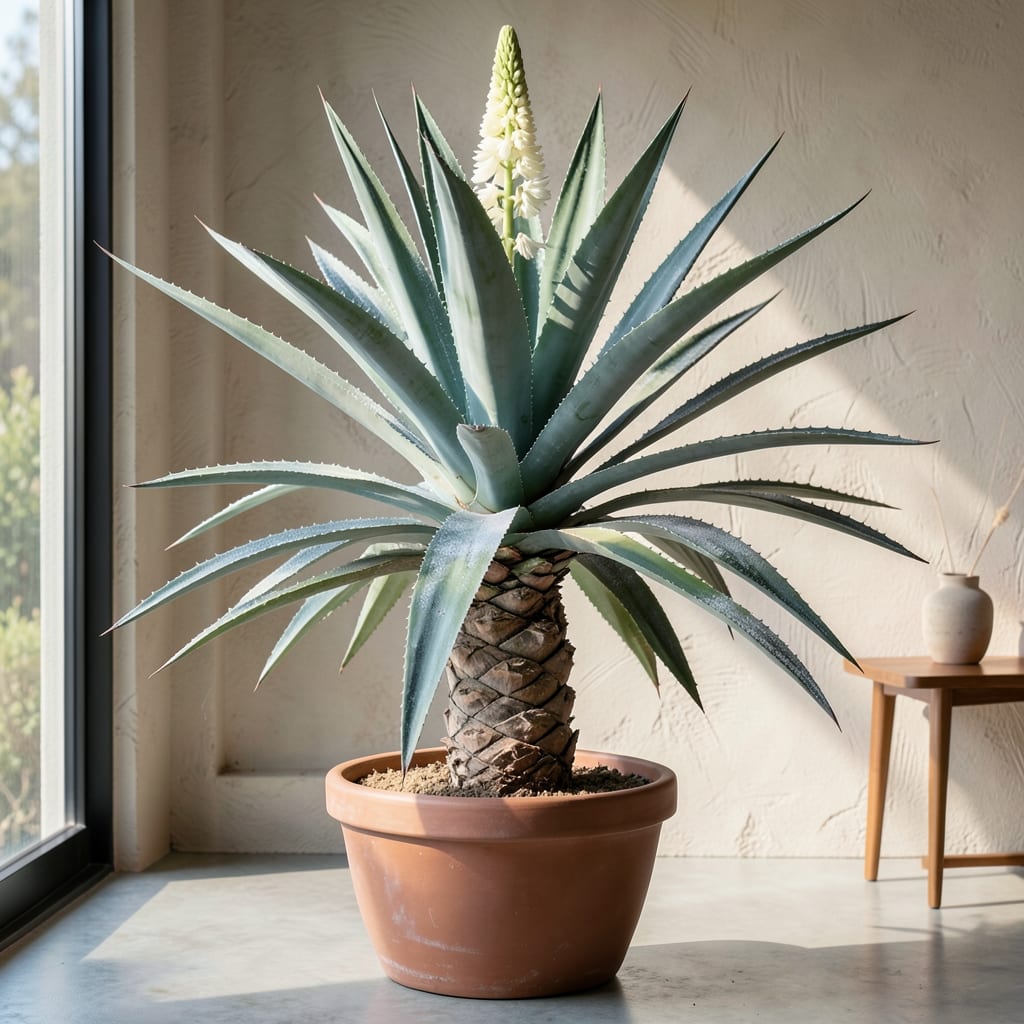
If you're dreaming of adding a striking yucca plant 🌵 to your landscape but aren't sure how tall a yucca plant can grow, the answer might surprise you. Some varieties stay compact enough for a patio planter, while others can grow tall enough to rival a two-story house—up to 20 feet in ideal conditions!
This dramatic height range means your choice of yucca could dramatically change your garden's look. Whether you're working with a small urban yard or a sprawling rural property, understanding these growth differences is the first step to selecting the perfect variety for your space and climate.
In this guide, I'll break down exactly how tall different yucca species can grow, from dwarf varieties perfect for containers to towering giants that make bold landscape statements. You'll also discover the key factors that influence their height—so you can give your yucca the best conditions to thrive (or keep it in check if needed).
Ready to find the perfect yucca for your garden? Let's explore the world of these versatile plants and help you make an informed choice that fits your space and style—without any unexpected surprises down the road.


Yucca plant height by variety: from dwarf to giant species
Yucca plants are famous for their dramatic height variations—some stay small enough for containers while others become towering desert giants. The Yucca filamentosa, for example, typically reaches 3 to 6 feet tall, making it perfect for borders or mixed shrub beds. Meanwhile, the Yucca gigantea can soar to 15 to 20 feet, rivaling small trees in height. These differences make choosing the right variety crucial for your space.
If you're working with limited space, dwarf yuccas like Yucca rostrata (beaked yucca) or Yucca baccata (banana yucca) are ideal. They max out around 3 to 5 feet and thrive in containers or small gardens. Their compact size also makes them easier to manage for pruning and maintenance. For larger landscapes, species like Yucca brevifolia (Joshua Tree) dominate with heights of 10 to 20 feet, offering a bold, desert-inspired focal point.
🌵
🌱 Yucca Height Comparison Table
| Variety | Mature Height | Best For |
|---|---|---|
| Yucca filamentosa | 3–6 ft | Borders, mixed shrubs |
| Yucca gigantea | 15–20 ft | Large landscapes, focal points |
| Yucca rostrata | 3–5 ft | Containers, small gardens |
| Yucca brevifolia | 10–20 ft | Desert gardens, arid regions |
| Yucca gloriosa | 4–6 ft | Patios, urban gardens |
| Yucca elephantipes | 6–10 ft | Indoor/outdoor transitions |
When selecting a yucca, consider not just height but also spread. Some varieties, like Yucca gloriosa, grow 3 to 5 feet wide, while others like Yucca elephantipes stay narrower but taller. This balance is critical for avoiding overcrowding, especially in smaller gardens. For example, a Yucca gigantea in a 5-foot-wide space will quickly outgrow its surroundings, requiring strategic placement or pruning.
Another factor to weigh is growth rate. Dwarf varieties like Yucca rostrata may take 3 to 5 years to reach maturity, while larger species like Yucca brevifolia grow more slowly but can live for decades. If you're planning a long-term landscape, slower-growing yuccas offer stability and low maintenance. For quicker results, faster-growing varieties like Yucca filamentosa deliver visible impact in just 2 to 3 years.
For container gardening, prioritize dwarf or semi-dwarf varieties. A 5-gallon pot can comfortably house a Yucca rostrata for years, while larger containers (15+ gallons) are needed for Yucca elephantipes. Always ensure your container has drainage holes—yuccas hate soggy roots and will rot if overwatered. In ground, these plants thrive in well-draining soil with full sun exposure, which accelerates their growth potential.
🌿
If you're unsure which variety to choose, start with Yucca filamentosa or Yucca gloriosa—they’re versatile, adaptable, and fit most garden styles. Both handle drought conditions and poor soil better than many ornamental shrubs, making them low-maintenance workhorses. For a statement plant, Yucca gigantea or Yucca brevifolia will turn heads, but be prepared for their long-term commitment to your landscape.
Finally, remember that pruning can influence height. Regular trimming of dead or overgrown fronds keeps yuccas looking tidy and prevents them from becoming unruly. However, avoid heavy pruning—yuccas store water in their trunks and can struggle to recover if cut back too aggressively. With the right variety and care, your yucca will thrive at the perfect height for your space.
✂️
Factors that influence yucca plant growth height & how to control it
Yucca plants thrive on full sun and well-draining soil, but their height isn’t just about genetics—your care routine plays a huge role. In ideal conditions, a yucca can grow 3-5 feet per year, but neglect or overwatering can stunt its growth or even kill it. Let’s break down the key factors that shape your yucca’s height and how to manage them.
Sunlight is the #1 driver of yucca growth. These plants crave 6+ hours of direct sun daily, but too little light leads to leggy, weak stems and slower growth. If your yucca isn’t getting enough light, it may stay under 3 feet tall even as an adult. On the flip side, intense afternoon sun in hot climates can scorch leaves, causing stress that stunts height gains.
Soil drainage is another critical factor—yuccas hate soggy roots. Planting in clay-heavy or compacted soil forces roots to suffocate, limiting nutrient uptake and slowing growth. Amend your soil with sand or gravel to keep it loose, or grow your yucca in a container with drainage holes to control height naturally.
🌱
⚠️ Overwatering = Stunted Growth
Yuccas store water in their thick stems, so watering weekly (or more) drowns roots and triggers root rot. A stressed yucca may grow only 1-2 feet per year instead of its full potential. Let soil dry completely between waterings—stick your finger 2 inches deep; if it’s dry, water deeply.
Pruning is your secret weapon for controlling height. If your yucca is outgrowing its space, cut back overgrown stems at the base in early spring. This encourages new, bushier growth and prevents it from becoming a 20-foot tower. Just avoid heavy pruning in late summer—new growth won’t harden off before winter, risking frost damage.
Climate also affects height. In USDA Zones 7-10, yuccas grow fastest, reaching maturity in 3-5 years. But in cooler zones (like Zone 6), growth slows to 1-2 feet per year. If you’re in a colder area, plant your yucca in a south-facing spot against a wall to capture extra heat and speed up growth.
Finally, fertilizer type and timing matter. Over-fertilizing with high-nitrogen mixes (like lawn food) promotes leafy growth but weak stems. Instead, use a balanced 5-10-10 fertilizer in early spring and summer to fuel steady, upright growth. Skip fall/winter feedings—yuccas rest then, and extra nutrients just waste money.
With the right balance of sun, soil, water, and pruning, you can keep your yucca at your ideal height—whether that’s a 3-foot patio plant or a 15-foot backyard statement piece. Start with these adjustments, and watch your yucca grow exactly how you want it! 🪴