
Trees
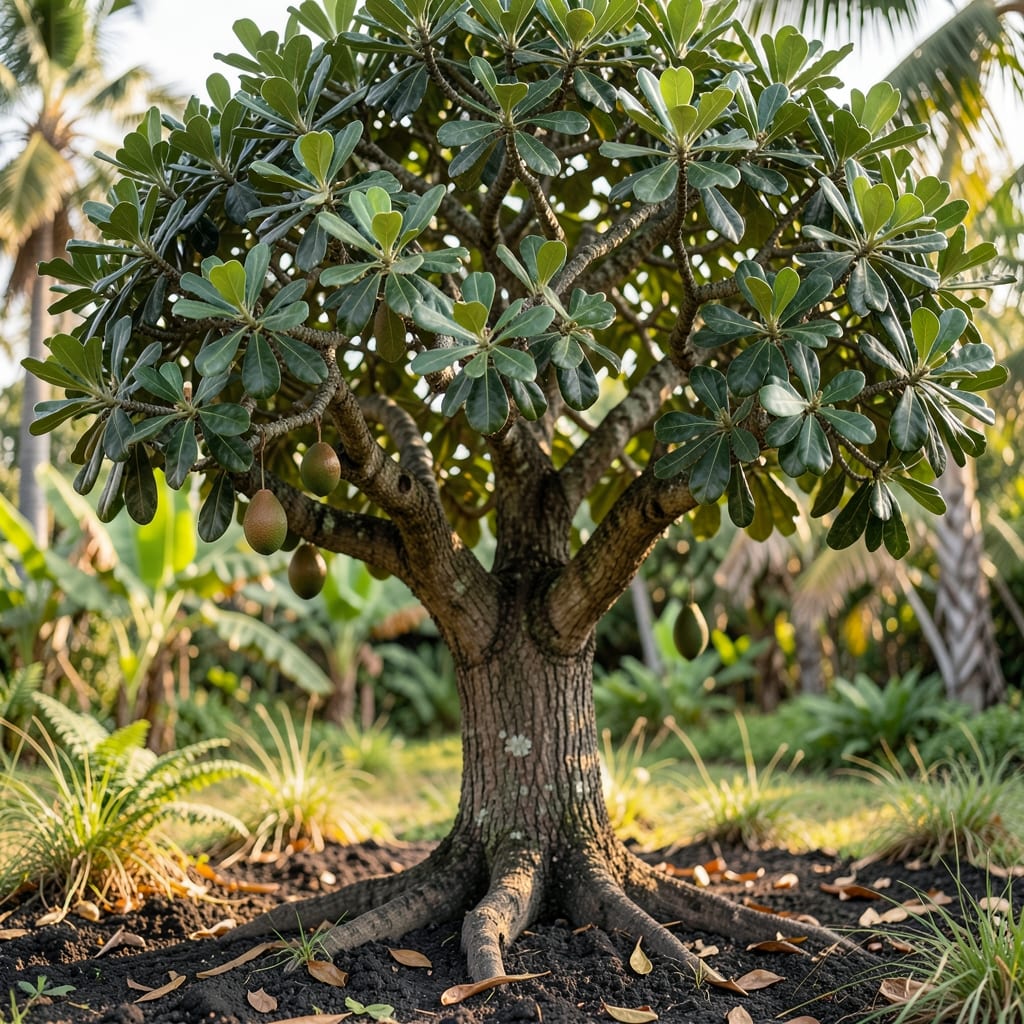
If you're wondering "how tall can an avocado tree grow", the answer might surprise you—some varieties stretch toward the sky like a tropical giant, while others stay perfectly manageable for backyard spaces. Picture this: a 🥑 avocado tree in your USDA Zone 6 garden that could one day rival a two-story house, or a compact dwarf variety perfect for container gardening. The difference? Variety, care, and a little patience.
Most avocado trees naturally reach between 20 and 80 feet at maturity, depending on their genetics and growing conditions. Standard varieties like Hass or Fuerte can soar to 60+ feet in ideal climates, while dwarf varieties—like those bred for home gardens—top out around 10 to 15 feet. But here’s the catch: climate plays a huge role. In cooler zones like 6a, growth slows, and trees may stay smaller unless you provide extra care.
So how do you control the height? Pruning isn’t just about aesthetics—it’s the key to managing growth and keeping your tree at your desired size. With the right techniques, you can shape your avocado tree to fit your space, whether you’re dreaming of a lush patio centerpiece or a towering shade provider. Let’s break down what you need to know to grow the perfect-sized tree for your garden.
Ready to discover the secrets behind avocado tree heights? From selecting the right variety to mastering pruning, we’ll cover everything you need to learn how to grow a healthy, productive tree—no matter how much (or little) vertical space you have. Let’s get started!


Maximum height of avocado trees by variety: from dwarf to giant
Choosing the right avocado tree variety is the first step to controlling its height. Standard varieties like Hass and Fuerte can grow 60 to 80 feet tall in ideal conditions, while dwarf varieties like 'Mexicola' or 'Wurtz' stay between 10 to 15 feet. The difference isn’t just in genetics—it’s also about rootstock and growing conditions. For example, a Hass grafted onto a dwarf rootstock will stay smaller than one on a standard rootstock.
If you’re in a small backyard, dwarf varieties are your best bet. They produce fruit just like their taller counterparts but require far less space. Semi-dwarf varieties, like 'Lamb Hass,' bridge the gap with heights of 15 to 25 feet, making them ideal for larger yards or urban homesteads. Even these can be pruned to stay shorter if needed.
Now, let’s talk numbers. A standard Hass avocado tree in California’s USDA Zone 10 might reach 70 feet with proper care, while the same tree in Zone 6a (like my garden in upstate New York) will likely max out at 30 to 40 feet due to cooler temperatures. The key takeaway? Climate matters just as much as variety when predicting height.
Here’s a quick reference for the most popular varieties and their mature heights:
Growth rates also vary. In their first year, most avocado trees grow 1 to 2 feet, while mature trees in ideal conditions can add 2 to 3 feet per year. However, in cooler climates like Zone 6a, growth slows significantly. My Wurtz avocado in a large pot only gained 6 inches last year, but it’s still thriving with extra winter protection.
Soil quality plays a surprising role too. Avocados prefer well-draining, slightly acidic soil (pH 6.0–7.0). Poor soil can stunt growth, while rich, organic soil can accelerate it. Amending your soil with compost or peat moss can make a noticeable difference in height over time. I’ve seen neighbors’ Hass trees grow 30% faster after adding compost compared to those in unamended soil.
If you’re growing avocados in containers, height is even more manageable. Root-bound trees naturally stay shorter because their root growth is restricted. Just ensure your pot is at least 2 feet in diameter for dwarf varieties and 3 feet for semi-dwarfs. I repotted my Mexicola into a 24-inch pot last spring, and it’s already showing stronger growth without shooting up like a weed.
Remember, height isn’t everything. Even a 10-foot dwarf can produce 100+ avocados per year if cared for properly. The goal is to match the tree’s size to your space and lifestyle. Whether you’re dreaming of a shade tree or a patio centerpiece, choosing the right variety sets the stage for success.
Next, we’ll dive into how climate zones affect avocado tree growth—and how to adapt care for your specific location. Spoiler: If you’re in a cooler zone, pruning and container gardening can work wonders! 🌱
Climate zones that influence avocado tree height and growth
Did you know your climate zone can turn a 60-foot avocado giant into a 10-foot patio tree? Avocados thrive in warm climates but struggle in cooler zones, which directly impacts their height and growth rate. In USDA Zones 9-11—their ideal range—avocado trees grow aggressively, reaching their full 20-80 foot potential. But in cooler zones like Zone 6a, growth slows dramatically, and trees may never reach their genetic maximum without extra care.
Temperature is the biggest factor. Avocados are frost-sensitive and can die back if exposed to temps below 28°F (-2°C). In Zone 8, where winters dip near freezing, trees may grow only 15-25 feet tall unless protected. Meanwhile, in tropical climates (Zones 10-11), they grow 30-50% faster and can reach 60+ feet in just 10-15 years.
Humidity also plays a role. High humidity in Zones 10-11 can lead to fungal diseases that stunt growth, while drier Zone 9 climates promote healthier, faster growth. Even soil quality interacts with climate—sandy soils in arid zones require more frequent watering to prevent stunted growth, while rich, loamy soils in humid zones support rapid expansion.
| Climate Zone | Avg. Mature Height | Growth Rate | Key Challenges |
|---|---|---|---|
| Zones 9-11 (Optimal) | 20–80 ft | 3–5 ft/year | Fungal risks in high humidity |
| Zone 8 (Marginal) | 15–25 ft | 1–2 ft/year | Frost damage risk |
| Zone 7 (Cool) | 10–15 ft (dwarf varieties) | 0.5–1 ft/year | Slow growth, needs protection |
| Zone 6a (Unsuitable) | 5–10 ft (container only) | 0.2–0.5 ft/year | Extreme frost risk; indoor/container only |
If you live in Zones 7 or cooler, don’t give up! Container gardening or indoor growing can help manage height. Move potted trees indoors during winter or wrap the trunk in burlap insulation to protect against frost. In Zone 8, plant near a south-facing wall to absorb heat and extend the growing season.
For tropical climates (Zones 10-11), focus on pruning to control height—these trees grow so fast they can outpace your yard! Regular trimming keeps them manageable while encouraging fruit production. In all zones, well-draining soil and consistent moisture are non-negotiable for healthy growth.
Ready to adapt your avocado tree’s care to your climate? The right approach can turn a stunted tree into a thriving giant—or a compact patio star—depending on your goals. Let’s explore how pruning and pollination can fine-tune your tree’s height in the next section! 🪴