
Trees
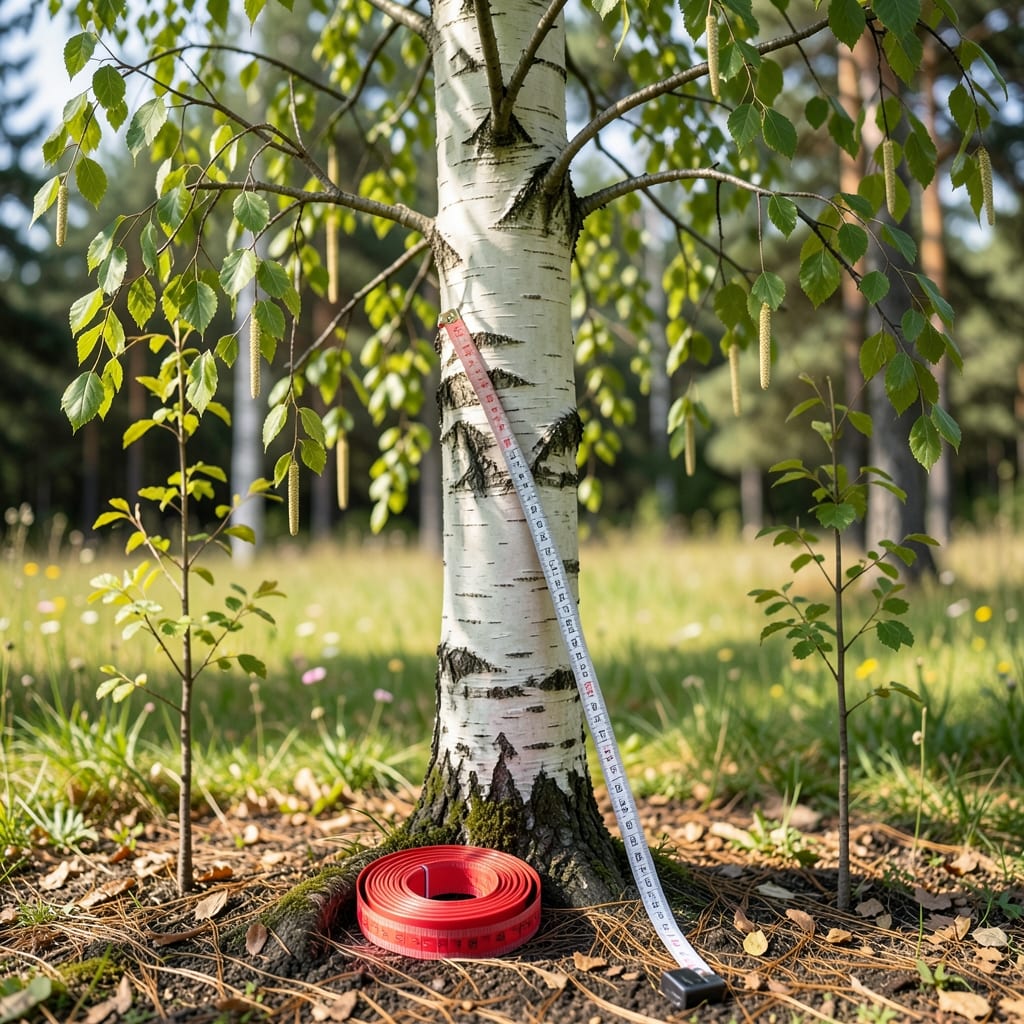
If you’ve ever wondered how tall can birch trees grow, the answer might surprise you—some varieties shoot up to 70 feet or more, while others stay small enough for suburban yards. The paper birch 🌳, with its iconic white bark, often reaches towering heights, but dwarf varieties offer a more manageable size. Knowing these differences is key to choosing the right tree for your space.
Birch trees aren’t just about height—their growth rate and mature size depend on species, soil, and climate. A river birch, for example, can grow 3–4 feet per year under ideal conditions, while a dwarf birch stays compact at just 3–6 feet. Whether you’re dreaming of a towering shade tree or a low-maintenance ornamental, understanding these variations helps you plan.
But here’s the catch: even the fastest-growing birch trees need the right care to reach their full potential. Poor soil, limited sunlight, or improper pruning can stunt their growth—sometimes dramatically. I’ll show you how to give your birch tree the best shot at hitting its height goals, from planting tips to pruning hacks that keep them healthy and strong.
Ready to turn your yard into a birch tree haven? Let’s break down the species, growth factors, and care tips that’ll help you grow a stunning tree—whether you want a skyscraper or a compact beauty. Your perfect birch tree is just a few steps away.


Birch tree height by species: fastest-growing varieties hit 70 feet—and which stay small
Birch trees are famous for their striking white bark and graceful branches, but their height can vary dramatically depending on the species. Some tower like skyscrapers, while others stay small enough for a backyard centerpiece. Understanding these differences helps you choose the perfect birch for your space—whether you want a towering shade provider or a compact ornamental tree.
If you’re dreaming of a 70-foot birch tree, the river birch and paper birch are your best bets. But if you prefer something more manageable, dwarf varieties like Betula pendula 'Fastigiata' stay under 6 feet. Let’s break down the height ranges, growth rates, and ideal climates for the most popular birch species.
| Species | Mature Height | Growth Rate | Ideal Climate |
|---|---|---|---|
| Paper Birch (Betula papyrifera) | 50–75 ft | Moderate (1–2 ft/year) | Cold climates (Zones 2–6) |
| River Birch (Betula nigra) | 40–70 ft | Fast (2–3 ft/year) | Warm, humid (Zones 4–9) |
| Yellow Birch (Betula alleghaniensis) | 60–90 ft (rarely) | Slow (1 ft/year) | Cool forests (Zones 3–8) |
| Dwarf Birch (Betula pendula 'Fastigiata') | 3–6 ft | Slow (6–12 in/year) | Ornamental (Zones 3–7) |
| Heritage River Birch (Betula nigra 'Heritage') | 25–40 ft | Moderate (1–2 ft/year) | Urban areas (Zones 4–9) |
The paper birch and river birch are the fastest growers, with river birch often reaching 70 feet in ideal conditions. These species thrive in full sun and moist, well-draining soil, making them perfect for larger properties. Meanwhile, the yellow birch grows slower but can still reach 90 feet in the wild, though it’s less common in gardens.
For smaller spaces, dwarf varieties like the Betula pendula 'Fastigiata' are ideal. These stay under 6 feet and grow at a snail’s pace, making them perfect for containers or urban gardens. Even semi-dwarf options like the Heritage river birch (25–40 ft) offer a compromise for medium-sized yards.
If you’re planting a birch tree, consider your USDA hardiness zone and local climate. Paper birches love cold winters, while river birches prefer warmth and humidity. Always check the species’ native range—most birches grow best where they evolved, like Betula alleghaniensis in northeastern forests.
One common mistake is assuming all birches grow tall. The dwarf birch is often mistaken for a shrub, but it’s still a tree—just a tiny one! Its slow growth means you won’t see dramatic height changes year to year, but it’s a low-maintenance choice for small gardens.
For maximum height, prioritize river birch in warm climates or paper birch in cooler areas. Both need plenty of space—70 feet isn’t just tall; it’s a statement. If you’re unsure, start with a semi-dwarf variety like Heritage to test your soil and sunlight before committing to a giant.
Pro tip: Measure your yard’s height clearance (e.g., power lines, roofs) before planting. A 70-foot birch near a 2-story house might look stunning—but only if you’re okay with trimming for decades.
How to prune birch trees for health and controlled growth (without killing them)
Pruning birch trees might seem intimidating, but it’s one of the best ways to control their height, improve their shape, and keep them healthy. Unlike many trees, birches respond well to pruning—if done correctly. The key is timing, technique, and knowing which branches to cut. I’ve pruned my share of birches, and I’ve learned that late winter or early spring is the ideal time to prune, just before new growth begins.
Birch trees are sensitive to over-pruning, which can stress them and even lead to disease. That’s why I always start by removing dead, diseased, or crossing branches first. These are the easiest to spot—they’re often brown, brittle, or rubbing against other branches. Use sharp, clean pruning shears or a saw for thicker branches, and always make cuts at a 45-degree angle just outside the branch collar.
Pruning at this time can stimulate new growth that won’t harden off before winter, leading to frost damage. Always prune in dormant season (late winter/early spring) to avoid stressing the tree.
Also, avoid topping birch trees—cutting the top flat to control height. This creates ugly stubs and encourages weak, water-sprout growth.
If your goal is to control height, focus on removing branches from the lower third of the tree. This encourages upward growth and keeps the tree’s energy focused on reaching its full potential height. For example, if you’re growing a river birch that could hit 70 feet, pruning lower branches early helps direct its growth skyward.
For dwarf birch varieties, like the Betula pendula 'Fastigiata', pruning is less about height control and more about shaping. These trees grow slowly, so I recommend light pruning to maintain their compact form. Trim back any leggy branches in early spring to encourage a bushier, fuller look. Avoid heavy pruning, as dwarf birches are delicate and can take years to recover from aggressive cuts.
Tools matter too. Use sterilized pruning shears for small branches and a pruning saw for thicker ones. After each cut, wipe your tools with rubbing alcohol to prevent spreading disease. I also recommend wearing gloves—birch sap can stain clothing and irritate skin.
One common mistake I see is pruning too much at once. Birch trees, especially young ones, can’t handle heavy pruning. Stick to removing no more than 25% of the tree’s foliage in a single session. If you’re dealing with a mature paper birch that’s outgrown its space, spread pruning over 2–3 years to avoid shocking the tree.
Finally, always step back and admire your work! Pruning isn’t just about cutting—it’s about shaping a tree that thrives in your space. Whether you’re encouraging a 70-foot giant or a 3-foot dwarf, the right pruning techniques will keep your birch tree healthy, happy, and reaching its full potential.