
Size
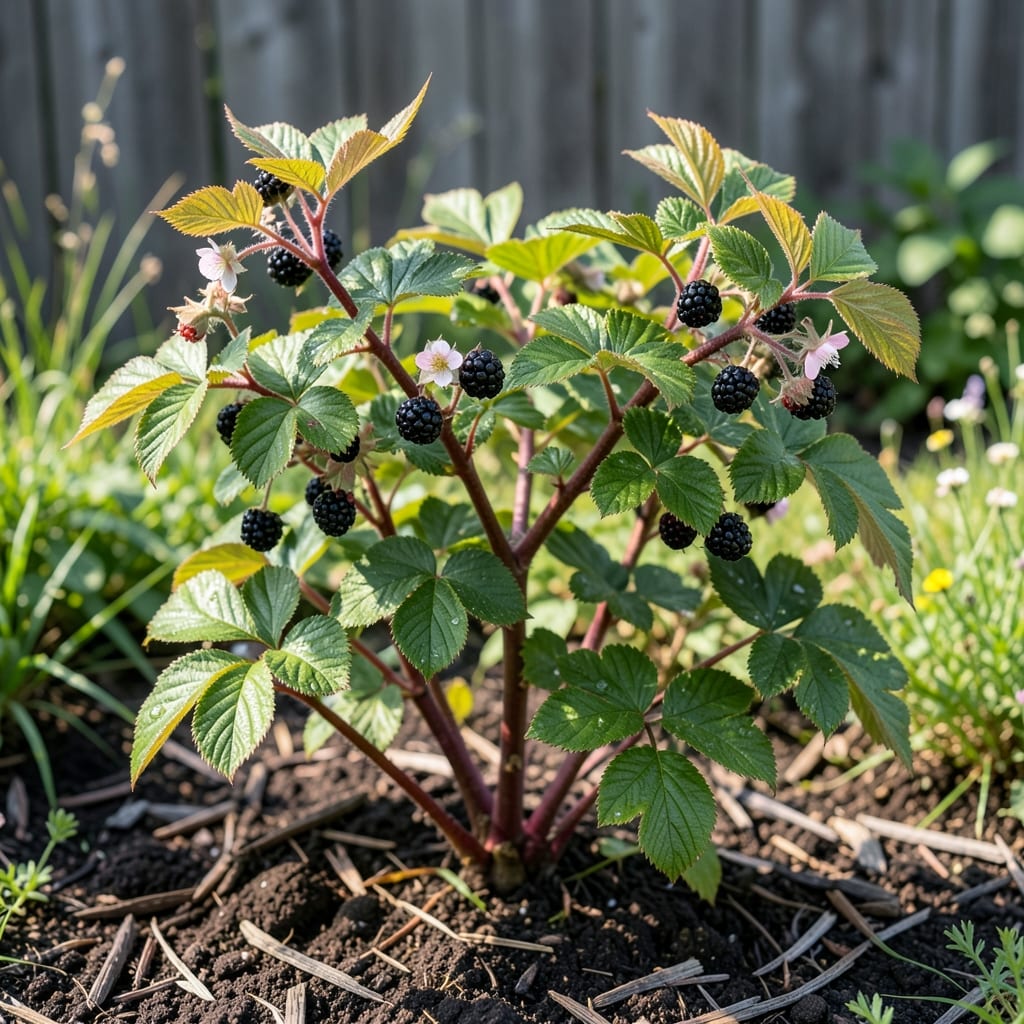
If your 🫐 blackberry bushes are stretching skyward like they’re reaching for the clouds, you’re not alone—these vigorous plants can grow anywhere from how tall can blackberry bushes grow to a towering 12 feet, depending on the variety and care. That dramatic height range means your fence, trellis, or even your patience might be tested if you don’t know how to guide their growth.
The good news? Understanding how tall blackberry bushes can grow—and how to control it—is the key to a bountiful harvest without the chaos. Whether you’re dealing with thorny traditional varieties or easier-to-manage thornless types, pruning and support systems make all the difference. Let’s break down the growth habits of different blackberries and the simple tricks to keep them productive and contained.
Imagine this: a well-pruned blackberry bush that stays at a manageable 5-8 feet, producing fruit you can easily reach while keeping your garden tidy. That’s the goal, and it’s totally achievable with the right approach. From choosing dwarf varieties to mastering summer pruning, you’ll learn how to shape your bushes for maximum yield and minimum hassle.
Ready to stop wrestling with overgrown blackberries and start enjoying their sweet rewards? Let’s dive into the growth secrets—so you can enjoy those juicy berries without the jungle-like mess. Your garden (and your back) will thank you!


Blackberry bush height by variety: from dwarf to giant (with growth charts)
If you’ve ever wondered why your blackberry bushes seem to grow like jungle vines overnight, you’re not alone. These plants are fast growers, and their mature height can vary dramatically depending on the variety. Some stay compact enough for small gardens, while others can reach 12 feet or more—taller than a basketball hoop! Understanding these differences helps you choose the right type for your space and maximize fruit production.
The height of blackberry bushes isn’t just about aesthetics; it directly impacts fruit yield, sunlight exposure, and even disease risk. For example, trailing varieties sprawl widely, while erect types grow upright, making them ideal for trellises. Let’s break down the height ranges of the most common blackberry types so you can plan your garden like a pro.
Here’s the key distinction: floricane varieties (like 'Triple Crown') produce fruit on second-year canes, while primocane varieties (like 'Natchez') fruit on first-year canes. This growth habit affects both height and pruning needs. Floricanes often grow taller, while primocanes can be more manageable with proper training.
Before we dive into the numbers, here’s a pro tip: thornless varieties are easier to manage but may grow slightly taller than their thorny counterparts. If you’re dealing with limited space, dwarf varieties like 'Cheyenne' are your best bet—staying under 5 feet tall while still delivering a bountiful harvest.
🌱 Blackberry Variety Height Comparison
| Variety | Type | Mature Height | Spread | Fruit Season |
|---|---|---|---|---|
| 'Cheyenne' | Primocane (thornless) | 3-5 ft | 4-6 ft | Summer & Fall |
| 'Natchez' | Primocane (thornless) | 5-8 ft | 6-8 ft | Summer & Fall |
| 'Triple Crown' | Floricane (thornless) | 6-10 ft | 5-7 ft | Summer |
| 'Arapaho' | td style="padding: 8px; border-bottom: 1px solid #2E7D32;">Floricane (thorny)8-12 ft | 6-10 ft | Summer | |
| 'Ouachita' | Primocane (thornless) | 4-6 ft | 5-7 ft | Summer & Fall |
*Height and spread can vary based on pruning, soil quality, and sunlight exposure.
As you can see, primocane varieties like 'Cheyenne' and 'Natchez' are ideal for smaller gardens or container growing, while floricane types like 'Triple Crown' need more space to thrive. If you’re growing thornless varieties, you’ll appreciate their easier maintenance, but don’t expect them to stay as compact as some dwarf types.
One common misconception is that taller blackberry bushes always produce more fruit. In reality, overgrowth can lead to shaded canes, reducing fruit quality and yield. That’s why pruning is critical—it encourages bushier growth and better air circulation, which translates to healthier berries.
For urban gardeners or those with limited space, consider vertical training using trellises or cages. This method can keep even tall varieties like 'Arapaho' under control while making harvesting a breeze. Just imagine picking ripe blackberries at eye level instead of bending over a sprawling bush
Pruning secrets to control blackberry bush height & maximize fruit
Pruning is the secret weapon for managing blackberry bush height while boosting fruit production. Without proper pruning, those 6-12 foot giants can become unruly vines that crowd out sunlight and make harvesting a chore. The key is understanding when and how to prune based on your specific variety—whether it’s a floricane (summer-bearing) or primocane (fall-bearing) type.
For summer-bearing varieties, the goal is to remove old fruiting canes after harvest while keeping new growth for next year’s crop. Fall-bearing types need a different approach, where you prune only in late winter to maintain a balance between current-season fruit and next year’s canes. This precision keeps your bushes at a manageable 5-8 feet while maximizing berry yield.
Differentiate between floricane (last year’s growth) and primocane (current year’s growth). Floricanes produce fruit; primocanes won’t until next year.
After harvest, cut out all old canes (floricanes) at ground level. Leave 4-6 strongest primocanes for next year’s fruit.
In late winter, remove weak or damaged canes. Keep 6-8 strong canes, cutting back to 12-18 inches from the ground.
During growing season, remove suckers (shoots from roots) and weak canes to focus energy on strong, productive canes.
Timing is everything—prune summer-bearing varieties right after harvest (late summer) and fall-bearing types in late winter before new growth starts. Use clean, sharp pruners to avoid damaging canes, and always prune on a dry day to prevent disease spread. This method keeps your bushes at a height you can manage while ensuring a heavy fruit load.
One common mistake is over-pruning, which can reduce next year’s crop. Another is pruning at the wrong time, like cutting back fall-bearing canes in summer. Both can leave your bushes stunted or fruitless. Instead, follow the 4-step pruning plan above, and you’ll see a neater, more productive blackberry patch in no time.
Pro tip: Label your canes with plant ties if you’re new to pruning. This helps track which canes fruited last year and which will fruit next year. It’s a simple trick that prevents confusion and ensures you’re always pruning for maximum yield. With consistent pruning, you can keep your blackberries at a manageable 5-6 feet while enjoying bigger, sweeter berries every season.
Remember, the goal isn’t just to control height—it’s to shape your bushes for success. A well-pruned blackberry plant is healthier, easier to harvest from, and far less likely to sprawl into your neighbor’s yard. Happy pruning—and enjoy those juicy berries! 🫐✂️