
How To
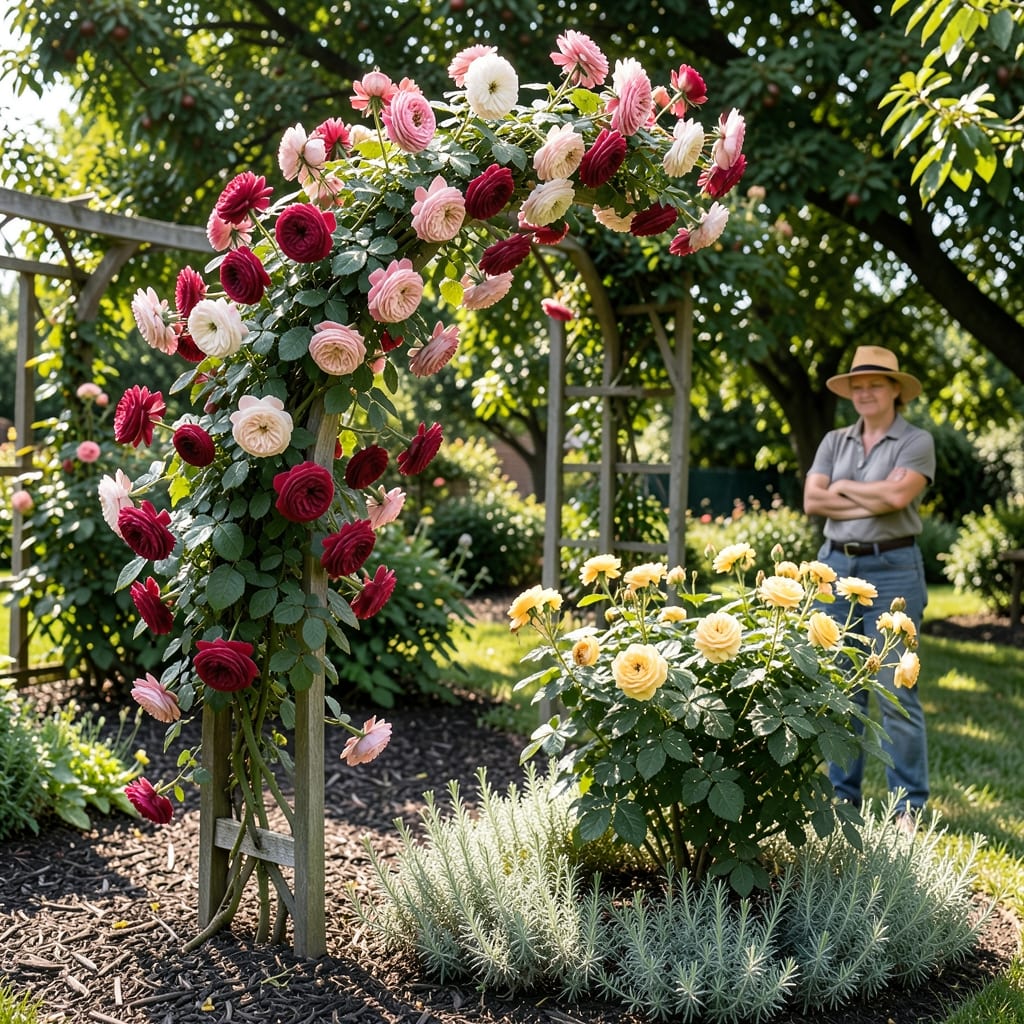
Wondering how tall your rose bushes can grow? The answer might surprise you—some varieties stretch toward the sky like 10-foot giants, while others stay neatly contained at just 2 feet. Choosing the right type for your space isn’t just about aesthetics; it’s about creating a garden that thrives with minimal fuss.
I’ve seen rose bushes transform backyards with their dramatic heights, from delicate climbers draping over trellises to sturdy shrubs that add structure to borders. But here’s the catch: their growth depends on more than just genetics—soil, sunlight, and pruning play huge roles in shaping their final size.
Whether you’re dreaming of a romantic arbor or a low-maintenance hedge, understanding these factors will help you pick the perfect rose for your vision. Let’s break down the heights you can expect and how to keep them looking their best.
Ready to discover which roses will fit your space—and which might need a little guidance to stay in check? I’ll share the secrets to managing their growth naturally, so you can enjoy blooms without the headaches.


Rose bush height variations: from dwarf to climbing giants
When I first started gardening, I assumed all rose bushes grew to about the same height—until I saw a 20-foot climbing rose covering an entire pergola! The truth is, rose bush heights vary wildly depending on the variety and care. Some stay compact enough for window boxes, while others reach for the sky like natural ladders. Understanding these differences helps you plan your garden layout and choose roses that fit your space perfectly.
I’ve categorized rose bushes into four main height groups: dwarf (1-3 ft), shrub (3-5 ft), climbing (6-20+ ft), and standard (4-6 ft). Each type has unique growth habits and care needs. For example, climbing roses need support structures, while dwarf varieties thrive in small pots. The key to managing their height lies in pruning techniques and variety selection, which I’ll explain in detail below.
Here’s a quick look at what you can expect from each category, including how their heights develop over time with proper care:
| Category | Mature Height | Growth Rate | Pruning Needs | Best For |
|---|---|---|---|---|
| Dwarf | 1-3 ft | Slow to moderate | Minimal; shape occasionally | Containers, borders, small gardens |
| Shrub | 3-5 ft | Moderate | Light pruning; remove dead wood | Hedges, foundation plantings |
| Climbing | 6-20+ ft | Fast with support | Regular pruning; train on trellis | Arbors, pergolas, fences |
| Standard | 4-6 ft | Moderate | Prune to maintain shape | Focal points, entryways |
🌹 Note: Heights can vary based on soil quality, sunlight, and pruning habits.
If you’re wondering how to encourage a rose bush to grow taller—or keep it compact—I’ve learned that pruning timing is everything. For example, climbing roses like 'New Dawn' can reach 15 feet with proper training, while shrub roses like 'Knock Out' stay around 3-4 feet without aggressive pruning. The secret is to prune at the right time: late winter for most varieties, but after flowering for repeat-blooming types.
I once had a 6-foot standard rose that I pruned back by half each spring, and it still produced abundant blooms while maintaining its height. The key is to remove dead or crossing branches first, then shape the bush to encourage upward growth. For climbing roses, I tie the canes to a trellis as they grow to guide their vertical development.
Another factor that surprised me is how soil nutrients affect height. Roses grown in rich, well-draining soil with regular feeding can grow 20-30% taller than those in poor soil. I always add compost and a balanced fertilizer in early spring to give my roses the best start. Overwatering can also cause leggy growth, so I
For those with limited space, dwarf roses like 'Fairy' or 'Tom Thumb' are perfect, topping out at just 1-2 feet. These varieties are ideal for container gardening or lining walkways. Meanwhile, climbing roses like 'Blaze' or 'Zephirine Drouhin' can reach 10-20 feet when given the right support, making them stunning for vertical gardens.
One common mistake I see is assuming all roses grow the same way. Hybrid teas, for instance, typically reach 3-5 feet and benefit from regular pruning to maintain their shape, while Floribundas can grow slightly taller but produce more clusters of blooms. Knowing these differences helps you choose roses that align with your garden’s vision and maintenance level.
If you’re planning a rose garden, sketch out your space first. Measure where you want roses to go and choose varieties that fit those dimensions. For example, a 3-foot hedge needs shrub roses, while a 10-foot trellis calls for a climbing variety. With the right choices, you can create a rose garden that’s both beautiful and manageable.
Ready to pick the perfect rose for your space? In the next section, I’ll share my top recommendations for roses that thrive in small yards versus
Best rose varieties for small yards vs. large gardens
Choosing the right rose variety for your space can make all the difference between a cramped, overgrown mess and a stunning, low-maintenance garden. I’ve tested dozens of roses in my own yard, and I’ve found that dwarf varieties are lifesavers for small spaces, while climbing and shrub roses thrive in larger gardens. The key is matching the rose’s mature height to your available room—and your gardening goals.
For small yards or containers, I recommend varieties like 'Fairy' or 'Tom Thumb', which max out at 1-2 feet. These roses are perfect for window boxes, patio pots, or edging walkways. Their compact size means less pruning, and they still produce vibrant blooms all season. Meanwhile, shrub roses like 'Knock Out' reach 3-4 feet, making them ideal for hedges or foundation plantings where you want structure without overwhelming the space.
Here’s a quick comparison of top-performing roses for different garden sizes, including their maintenance needs and visual impact:
🌱 Small Yards (Under 3 ft)
- 'Fairy': 1-2 ft, fragrant, low-maintenance
- 'Tom Thumb': 1-2 ft, disease-resistant, great for containers
- 'Playboy': 2-3 ft, bright pink blooms, repeat-flowering
✅ Pros: Compact, easy to prune, ideal for small spaces
❌ Cons: Limited height for vertical gardens
🌳 Large Gardens (6+ ft)
- 'New Dawn': 6-12 ft, climbing, disease-resistant
- 'Blaze': 8-10 ft, orange-red blooms, fast-growing
- 'Zephirine Drouhin': 10-20 ft, climbing, semi-evergreen
✅ Pros: Dramatic vertical impact, great for trellises/arbors
❌ Cons: Requires pruning and support structures
🌿 Medium Gardens (3-5 ft)
- 'Knock Out': 3-4 ft, repeat-blooming, disease-resistant
- 'Double Delight': 3-5 ft, fragrant, pink blooms
- 'Iceberg': 4-5 ft, white blooms, long-lasting
✅ Pros: Versatile, low-maintenance, great for borders
❌ Cons: May need occasional pruning to control spread
If you’re working with a small yard, prioritize dwarf or shrub roses that stay under 3 feet. These varieties are forgiving and thrive in containers, making them perfect for balconies or patios. For example, 'Playboy' produces bright pink blooms all season with minimal care, while 'Fairy' adds a romantic touch to window boxes. The trade-off? You’ll miss out on the dramatic height of climbing roses, but the ease of maintenance is worth it for tight spaces.
For larger gardens, climbing roses like 'New Dawn' or 'Blaze' can create a stunning vertical display on trellises, arbors, or fences. These varieties grow 6-20 feet tall and require regular pruning to keep them in check, but the payoff is a garden feature that draws the eye. I once installed 'Zephirine Drouhin' along a 10-foot fence, and within two years, it transformed the space into a lush, green tunnel covered in fragrant blooms.
One mistake I see gardeners make is planting roses that outgrow their space. For instance, a climbing rose in a small pot will become root-bound and stressed, while a dwarf rose in a large garden might look lost. Always measure your space and choose roses that fit both the height and width of the area. For example, a 3-foot shrub rose needs at least 2-3 feet of clearance on all sides for airflow and sunlight.
Ready to pick the perfect rose for your garden? In the next section, I’ll share my go-to techniques for controlling rose bush growth naturally—so you can enjoy blooms without the hassle of constant pruning or trimming. You’ll learn how to prune for height, use trellises effectively, and adjust care based on the season to keep your roses looking their best year-round.