
Size
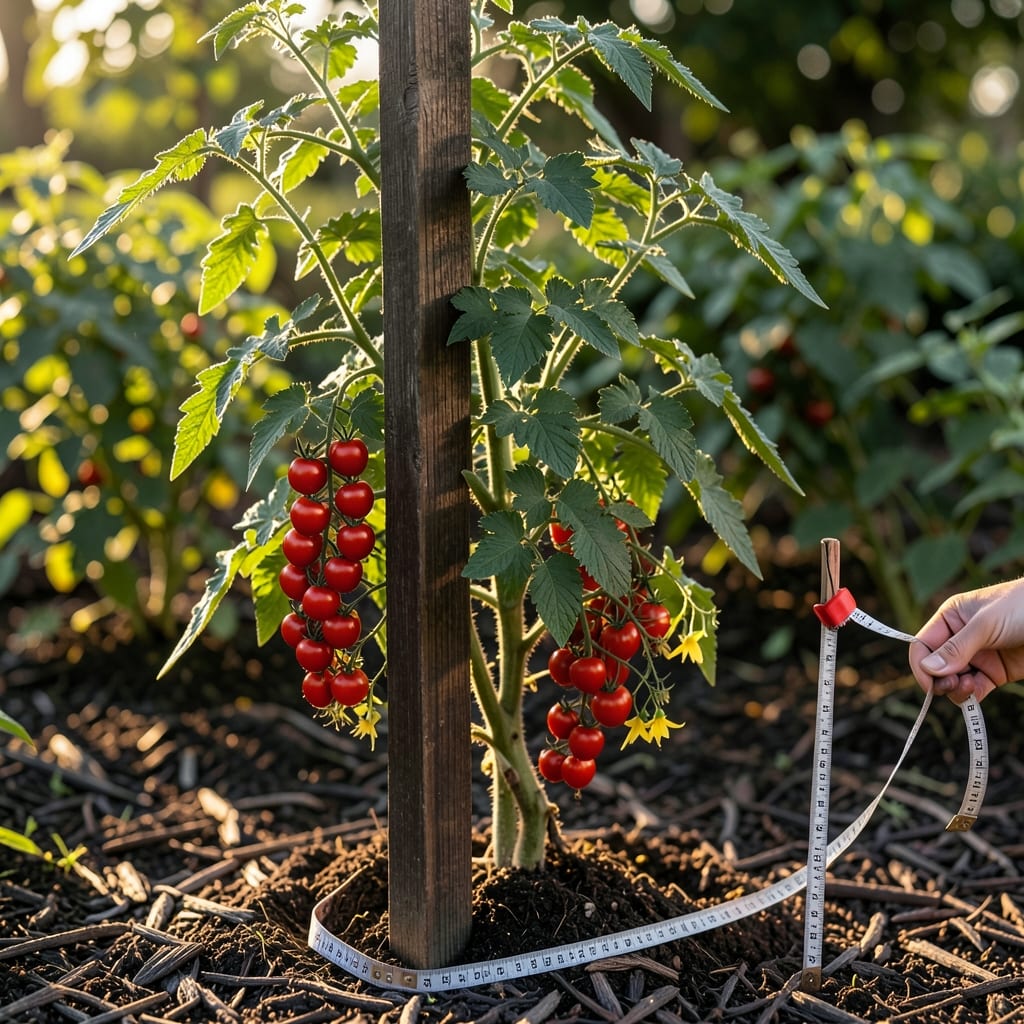
If you’ve ever wondered how tall cherry tomato plants can grow, you’re not alone. The truth is, these little plants can surprise you with their growth potential—some barely reach your waist, while others climb like jungle gyms toward the sky. Understanding their height range isn’t just about curiosity; it’s the key to planning your garden layout, choosing the right varieties, and maximizing your harvest.
Determinate cherry tomatoes, the bushy types, typically top out around 3-4 feet, making them perfect for containers or small spaces. But indeterminate varieties? Those can reach 6-10 feet or more if left unchecked, turning your garden into a vertical feast. The difference comes down to genetics, care, and a little strategic planning—like pruning or trellising—to keep them in check or let them flourish.
What you’ll discover in this guide is how to predict and control your plants’ height based on their type, your climate in USDA Zone 6a, and simple care tweaks. Whether you’re dealing with spring seedlings or troubleshooting overgrowth later in the season, these insights will help you grow happier, healthier, and more productive cherry tomato plants—no matter how tall they dream of becoming.
Ready to turn your garden into a cherry tomato wonderland? Let’s dive into the secrets behind their growth and how you can shape it to fit your space—whether that’s a tiny balcony or a sprawling backyard.

Cherry tomato growth variations: determinate vs indeterminate types explained
When you bring home those adorable cherry tomato seedlings, you might not realize they’ll soon transform into either a compact bush or a sky-reaching vine. The difference? Their growth habit—either determinate or indeterminate. These two types determine not just height but also yield, care needs, and even how you’ll harvest those sweet little fruits. Let me break it down so you can pick the perfect variety for your garden space.
Determinate cherry tomatoes are the bush varieties that top out at 2 to 4 feet tall, making them ideal for containers, small gardens, or beginners. They grow in a predictable shape, producing fruit all at once—perfect for canning or sauces. Indeterminate types, on the other hand, are the vining superstars that can climb 6 to 10 feet high if given support, yielding fruit continuously throughout the season. The choice depends on your space, goals, and patience for pruning.
Here’s the key difference: determinate plants grow until they flower, then stop, while indeterminate plants keep growing and producing fruit until frost. For example, the ‘Tiny Tim’ variety stays under 18 inches tall, while ‘Sweet Million’ indeterminate types can stretch toward your roof if left unchecked. Your garden’s layout and your willingness to manage height will guide your selection.
Let’s dive into how these growth habits affect your gardening experience, from space requirements to harvest strategies. Understanding these distinctions will help you avoid overcrowding, maximize yield, and keep your plants healthy. Ready to explore the best varieties for each type?
Now that you see the height contrast between these types, let’s talk about how to manage them. Determinate varieties are low-maintenance—just stake them lightly if needed and let them grow. Indeterminate types, however, need regular pruning and support structures to prevent sprawling and maximize airflow, which reduces disease risk. I’ll cover these techniques in detail in the next section, but for now, think about your garden’s vertical potential.
For example, if you’re growing in containers, stick with determinate varieties like ‘Balcony Red’, which stays under 2 feet tall. But if you have a trellis or fence, indeterminate types like ‘Super Sweet 100’ will reward you with pounds of fruit all season long. The right choice depends on your space and how much you’re willing to invest in support and care.
Another factor to consider is harvest timing. Determinate plants produce all their fruit at once, which is great if you’re canning or freezing. Indeterminate types, however, give you a steady supply of ripe cherries from midsummer until frost. If you love fresh tomatoes all season, indeterminate varieties are the way to go—but be prepared for the extra work of pruning and training.
Let’s say you’re a beginner gardener with limited space. A determinate variety like ‘Micro Tom’ (which tops out at 12 inches) is perfect for a sunny windowsill or small pot. But if you’re an experienced gardener with a large backyard, you might prefer ‘Sweet 100’ indeterminate types, which can produce hundreds of tomatoes if given proper support and care.
One common mistake is assuming all cherry tomatoes are compact plants. Many gardeners are surprised when their indeterminate seedlings start climbing like jungle vines. To avoid this, always check the seed packet or plant tag for the growth habit before buying. Misjudging height can lead to overcrowding, poor airflow, and even disease issues. Pro tip: If you’re unsure, ask your local nursery for recommendations based on your garden’s layout.
Finally, remember that height isn’t the only factor—yield, flavor, and disease resistance also vary between types. For instance, ‘Sun Gold’ indeterminate tomatoes are prized for their sweet flavor but need strong support, while ‘Tumbling Tom’ determinate varieties are great for hanging baskets but produce less overall. Choose wisely based on your priorities!
Now that you understand the growth variations and how they impact your garden, you’re ready to pick the perfect cherry tomato for your space. In the next section, I’ll show you how to control height naturally—whether you want to keep your plants short or let them climb to the sky. Let’s get growing!
How to control cherry tomato height: pruning, trellising, and support techniques
Now that you know whether your cherry tomatoes will stay compact bushes or skyward vines, let’s talk about how to manage their height. The right techniques can transform your garden—whether you’re working with limited space or aiming for maximum yield. For indeterminate varieties, which can reach 6 to 10 feet without intervention, pruning and trellising are essential. Even determinate types benefit from light staking to prevent flopping. Let’s explore the best methods to keep your plants at your ideal height.
Pruning is one of the most effective ways to control height and improve airflow, reducing disease risk. For indeterminate varieties, I recommend topping the main stem when it reaches your desired height—usually 5 to 6 feet—to encourage bushier growth and more fruit production. Simply pinch off the top set of leaves just above a flower cluster. This redirects energy from vertical growth to fruit development. Regular pruning also removes suckers (the small shoots that grow in the leaf axils), which can compete with your main plant for nutrients.
Here’s a step-by-step guide to pruning and supporting your cherry tomato plants, whether you’re dealing with determinate bushes or indeterminate vines. These techniques will help you maintain healthy plants, maximize space, and ensure a bountiful harvest.
- 1 Choose Your Support: Install trellises, cages, or stakes early. For indeterminate types, use strong trellises or fences (6+ ft tall). Determinate varieties need smaller stakes or cages (3-4 ft).
- 2 Prune Suckers: Remove suckers (shoots in leaf axils) weekly. For indeterminate types, keep 2-3 main stems for better airflow. Pinch suckers off with fingers or snip with clean scissors.
- 3 Top the Plant: Once your indeterminate plant hits 5-6 feet, pinch off the top growth. This encourages bushier growth and more fruit clusters. Repeat as needed to maintain height.
- 4 Train Vines: Gently tie vines to supports with soft ties (old t-shirts or plant clips). Avoid tight knots to prevent stem damage. For heavy varieties like ‘Sweet 100’, use multiple ties every 12 inches.
- 5 Harvest Regularly: Pick ripe tomatoes daily to encourage more fruit production. Overripe tomatoes signal the plant to stop flowering, slowing growth. Remove yellow leaves to redirect energy to fruit.
If you’re growing in containers, focus on compact determinate varieties like ‘Tumbling Tom’, which stay under 2 feet tall. Use small cages or stakes to support them lightly. For indeterminate types in pots, prune aggressively to prevent root-bound stress. Remember, potted plants have limited root space, so their height growth will naturally be slower than in-ground plants.
One common mistake is over-pruning, which can reduce yield. Only remove suckers and dead leaves—never cut into the main stem unless topping. Another pitfall is using weak supports, like flimsy bamboo stakes, which bend under the weight of heavy fruit. For large indeterminate varieties, opt for metal trellises or sturdy wooden posts buried 12 inches deep for stability. Pro tip: If you’re growing near a fence or pergola, use it as natural support—just attach vines with soft ties.
For vertical gardening, consider DIY trellis ideas like repurposed ladders, wire mesh, or even a hanging basket system for determinate types. Indeterminate varieties thrive on obelisks or A-frame trellises, which provide 360-degree support. If space is tight, try espalier training, where you guide vines along a flat surface (like a wall or fence) to save space while maximizing sunlight exposure.
Let’s say you’re dealing with overgrowth—your indeterminate plants are climbing like jungle vines and taking over your garden. Don’t panic! Prune back 1/3 of the plant’s height in early summer to encourage bushier growth and more fruit clusters. This technique, called renewal pruning, works wonders for reviving leggy plants. Just be sure to fertilize lightly after pruning to support new growth.
Finally, remember that height control isn’t just about aesthetics—it’s about plant health and yield. Well-pruned, supported cherry tomato plants produce more fruit, have better airflow (reducing disease), and are easier to harvest. Whether you’re a