
Size
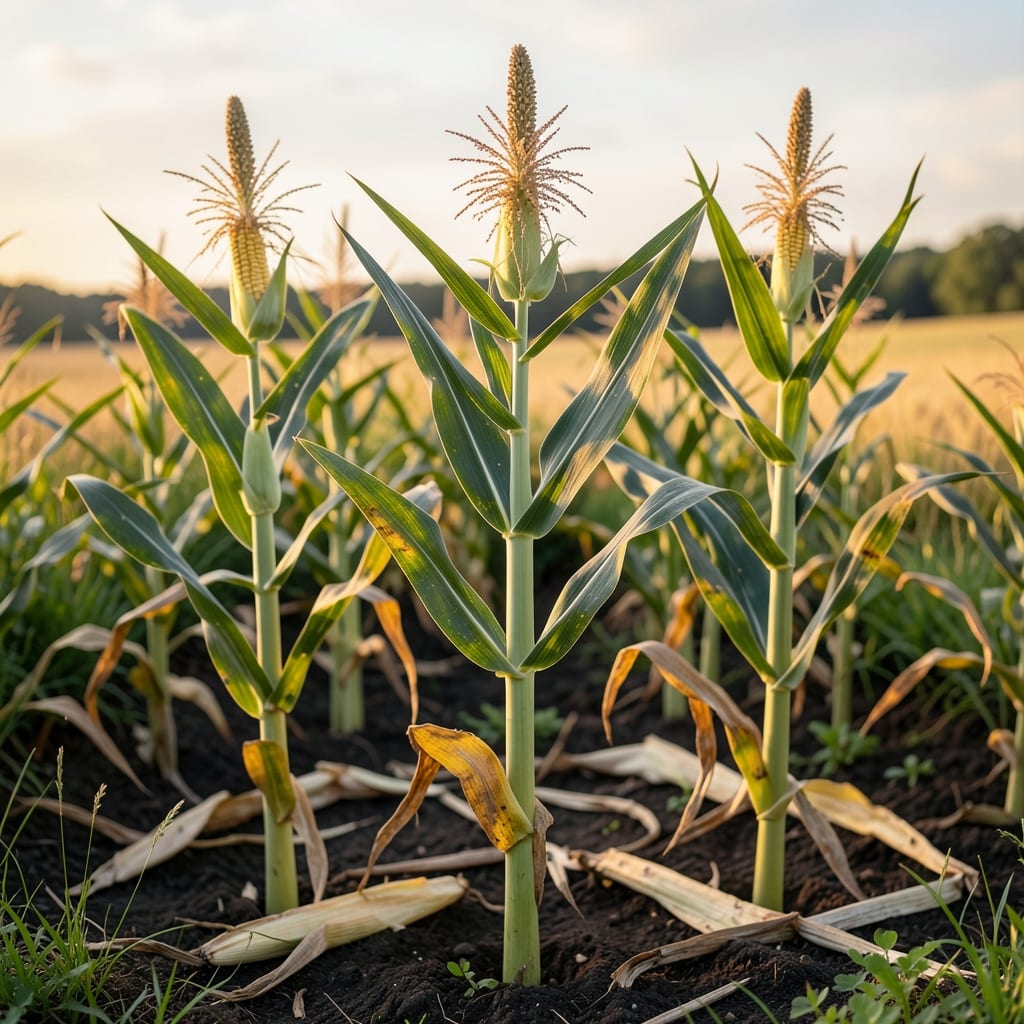
If you've ever wondered how tall your corn plants can grow, the answer might surprise you—some varieties of 🌽 corn can reach heights of 10 to 12 feet, towering over most gardeners like skyscrapers in your backyard! Whether you're planning a small garden patch or a full cornfield, understanding the height range of different corn types is key to making the most of your space.
The height of your corn isn't just about variety—it also depends on factors like soil quality, sunlight, and even watering habits. But don’t worry, even if you don’t have acres to spare, there are compact options that still deliver sweet, juicy ears. I’ll break down the tallest and shortest corn varieties so you can pick the perfect fit for your garden.
From dwarf varieties that stay under 5 feet to towering giants that need plenty of room, we’ll cover everything you need to know. You’ll also discover tips for supporting tall corn plants and ensuring they grow strong and healthy, no matter their size.
Ready to grow corn that’s just the right height for your space? Let’s dive into the world of corn varieties and find the perfect match for your garden—whether you’re dreaming of a mini corn patch or a backyard cornfield!

Corn plant height by variety: tallest and shortest growing types
Corn plants can vary dramatically in height, from compact dwarf varieties that stay under 5 feet to giant field corn that towers over 12 feet. The variety you choose determines not just your harvest size, but also your garden layout and support needs. Whether you're working with a small balcony or a spacious backyard, selecting the right height is crucial for success.
Most home gardeners grow sweet corn varieties, which typically range from 5 to 10 feet tall. These are perfect for traditional gardens but may require staking or trellising if space is limited. Ornamental corn, like flint corn or popcorn, can also reach impressive heights, often exceeding 8 feet, making them stunning additions to rustic or themed gardens.
For those with limited space, bush corn varieties are game-changers. These compact plants grow in clusters and rarely exceed 4 to 5 feet, making them ideal for containers, small plots, or even urban gardens. Their shorter stature also means less risk of lodging (falling over) in windy conditions, which is a common issue with taller varieties.
🌽 Here’s a quick look at how corn heights break down by category: dwarf (3-5 ft), medium (5-8 ft), and tall (8-12+ ft). The right choice depends on your space, climate, and whether you prioritize ease of care or maximum yield.
| Variety Type | Mature Height | Space Needs | Best For |
|---|---|---|---|
| Dwarf Sweet Corn | 3–5 ft | Containers, small plots | Urban gardens, balconies |
| Bush Corn | 4–6 ft | Tight rows, small gardens | Easy harvest, less lodging |
| Standard Sweet Corn | 6–10 ft | Traditional garden beds | High yields, classic taste |
| Ornamental/Flint Corn | 8–12+ ft | Large gardens, rural settings | Decorative, pollinator-friendly |
| Mini-Cobs (Decorative) | 2–4 ft | Containers, indoor growing | Dwarf houseplants, gifts |
If you’re growing standard sweet corn varieties, expect heights between 6 and 10 feet, with some hybrid types like Silver Queen or Peaches and Cream reaching the upper end of that range. These varieties are staples in home gardens because they produce large, sweet ears and are relatively easy to grow, provided they have enough space to spread their roots and stalks.
For the adventurous gardener, giant corn varieties like Country Gentleman or Illini Chief can grow over 12 feet, making them a spectacle in rural or large-scale gardens. However, these require rich soil, ample water, and plenty of room to avoid lodging. If you’re drawn to the idea of growing corn as tall as you are, be prepared to invest in staking or trellising to support their weight.
On the opposite end of the spectrum, mini-cob corn varieties are perfect for container gardening or adding a whimsical touch to small spaces. Varieties like Tom Thumb or Baby Blue stay under 4 feet and produce tiny, decorative ears that are ideal for gifts or ornamental displays. These are also great for first-time gardeners because they’re low-maintenance and forgiving of less-than-perfect conditions.
One variety that often surprises gardeners is bush corn, which grows in compact clusters rather than tall stalks. This makes it ideal for small gardens or urban plots where space is limited. Bush corn varieties like Golden Bantam or Ambrosia typically reach 4 to 6 feet and produce multiple ears per stalk, maximizing your harvest in a tiny footprint. They’re also less prone to lodging, which is a major headache with taller varieties.
When choosing a corn variety, consider not just height but also maturity time and ear size. Taller varieties often take longer to mature, while dwarf types may produce smaller ears but are ready to harvest sooner. For example, Early Sunglow
Factors that influence corn plant height and growth
Corn plant height isn’t just about the variety you choose—it’s also heavily influenced by your growing conditions. If you’ve ever wondered why your corn seems shorter (or taller!) than expected, the answer likely lies in these key factors. From sunlight exposure to soil quality, each plays a critical role in determining how tall your corn will grow.
First, let’s talk sunlight. Corn is a sun-worshipper, needing at least 6-8 hours of direct sunlight daily. Without enough light, plants will grow leggy and weak, reaching for the sky but never fully maturing. In my garden, I’ve seen corn plants stunted to just 4 feet when planted in partial shade, compared to their 10-foot potential in full sun.
Next up is soil quality. Corn thrives in well-draining, nutrient-rich soil with a pH between 6.0 and 7.0. Poor soil can limit root development, which directly affects height. I always amend my soil with compost before planting to give my corn the best start. Without this step, even the tallest varieties might struggle to reach their full height.
Watering habits also make a huge difference. Corn needs consistent moisture, especially during tasseling and ear development. Too little water can stunt growth, while too much can lead to weak stems. I water my corn deeply 2-3 times per week, adjusting for rainfall. Overwatering can cause fungal issues, which further stress the plant and limit its height.
Don’t forget about genetics and spacing. Even with perfect conditions, some varieties are simply genetically programmed to stay short. For example, bush corn varieties grow in clusters and rarely exceed 5 feet. Meanwhile, standard sweet corn varieties like Silver Queen can easily reach 8-10 feet when given enough space. Crowding plants also limits their height, as they compete for nutrients and sunlight.
Finally, fertilization plays a role. Corn is a heavy feeder, especially during the 6-8 week growth phase. A balanced fertilizer with equal parts nitrogen, phosphorus, and potassium helps support strong stem development. I apply a 10-10-10 fertilizer every 4-6 weeks during the growing season, which has helped my corn reach its full potential height.
By paying attention to these factors, you can maximize or control your corn’s height—whether you’re aiming for a backyard giant or a compact container-friendly variety. Experiment with different conditions to see what works best in your garden!