
Vegetables
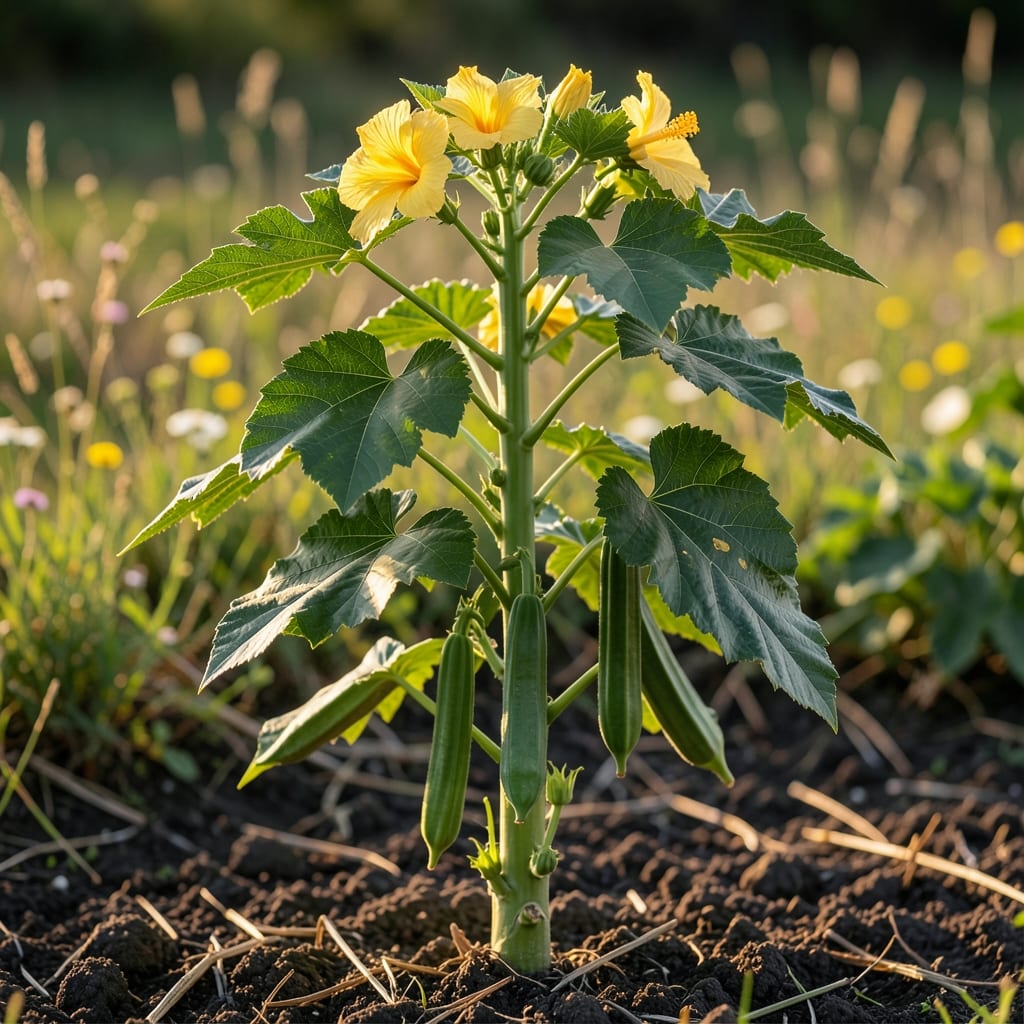
If you’ve ever wondered just how tall your okra plants can grow, you might be surprised to learn they can reach heights that rival small trees—up to 10 feet in ideal conditions! 🌱 Whether you're planning a backyard garden or a container setup, understanding okra's growth potential is key to maximizing your harvest and avoiding space-related headaches.
Not all okra varieties are created equal, though. Some, like the popular 'Clemson Spineless,' can shoot up like a jungle vine, while others stay compact at just 3–4 feet. The difference often comes down to your climate, soil quality, and how much sunlight your plants get—factors you can actually control to shape their growth.
In this guide, I’ll break down everything you need to know about managing okra height, from choosing the right variety to pruning tips and spacing tricks. Whether you're dealing with a 6-foot plant or a 10-foot giant, you’ll learn how to keep your garden organized and your harvest bountiful.
Ready to transform your garden into a thriving okra patch? Let’s dive into the secrets of controlling height so you can enjoy fresh pods all season long—without the chaos!

Okra plant height variations: from 3-Foot dwarfs to 10-Foot giants
Okra plants are famous for their dramatic height variations, ranging from compact 3-foot dwarf varieties to towering 10-foot giants. The height you'll see depends on the okra variety, growing conditions, and your gardening techniques. Understanding these differences helps you plan your garden layout and support structures effectively.
Most standard okra varieties reach heights between 6 and 10 feet when mature, while dwarf varieties like 'Burgundy' or 'Dwarf Green Long' typically max out at 3 to 4 feet. Even within the same variety, factors like sunlight exposure, soil fertility, and water availability can influence how tall your plants grow.
For example, the popular 'Clemson Spineless' variety often grows 8 to 10 feet tall in ideal conditions, while 'Emerald' okra tends to stay around 5 to 7 feet. These differences aren't just about aesthetics—they affect how you'll space your plants and whether you'll need support structures like trellises.
🌱
The climate zone where you garden plays a huge role in okra height. In hot, humid regions like the Deep South, okra plants often grow taller and faster due to longer growing seasons. Meanwhile, in cooler climates like USDA Zone 6, you might see shorter growth unless you use row covers or start seeds indoors.
Another key factor is soil quality. Okra thrives in well-draining, fertile soil with a pH between 6.0 and 6.8. Poor soil can stunt growth, while amended soil with compost encourages taller, healthier plants. I've found that adding a 2-inch layer of compost before planting can make a noticeable difference in height and pod production.
Light exposure is equally critical. Okra requires at least 6 hours of direct sunlight daily, but 8+ hours produces the tallest, most productive plants. If your okra isn't getting enough sun, it may grow leggy and weak, reaching for light but staying short. In my Zone 7a garden, I've seen okra grow 2 feet taller when moved to a sunnier location mid-season.
🌿
Even with ideal conditions, some okra plants may not reach their full potential due to genetic factors. For instance, heirloom varieties often grow taller than hybrid types, which are bred for consistent but slightly shorter growth. If you're growing okra from saved seeds, expect more variation in height from year to year.
For gardeners with limited space, dwarf varieties are a game-changer. They produce plenty of pods without requiring the same amount of room as their taller cousins. I've successfully grown 'Burgundy' okra in 5-gallon containers on my patio, harvesting just as many pods as my 10-foot Clemson Spineless plants in the ground.
Understanding these height variations helps you plan your garden layout and choose the right varieties for your space. Whether you're aiming for sky-high okra towers or neat, compact plants, knowing what to expect makes gardening easier and more rewarding.
How to control okra plant height: pruning, spacing, and support tips
Managing okra plant height isn’t just about aesthetics—it’s about maximizing your harvest and keeping your garden organized. Whether you’re dealing with 10-foot giants or 3-foot dwarfs, the right techniques can help you control growth, improve airflow, and even boost pod production. I’ve learned that a little pruning and proper spacing go a long way in keeping okra plants healthy and productive.
One of the simplest ways to control okra height is through pruning. Unlike many vegetables, okra benefits from light pruning to encourage bushier growth and more pods. I recommend trimming back overgrown branches that are yellowing or diseased, as this redirects energy to healthier parts of the plant. For tall varieties like 'Clemson Spineless,' I prune the top few inches to prevent the plant from becoming top-heavy and falling over.
🌱
- 1 Prune for Shape: Trim back overgrown branches to encourage bushier growth. Focus on removing yellow or diseased leaves first.
- 2 Space Properly: Plant okra 18–24 inches apart in rows 3 feet apart. This prevents overcrowding and improves airflow.
- 3 Use Trellises: For tall varieties, install trellises or stakes early to support growth. This also makes harvesting easier.
- 4 Fertilize Lightly: Use a balanced fertilizer (5-10-10) every 4–6 weeks to promote controlled growth without excessive height.
- 5 Harvest Regularly: Pick pods 2–3 inches long to encourage more pod production and prevent the plant from growing too tall.
Proper spacing is another game-changer. Okra plants need room to breathe, and crowding can lead to pests, diseases, and stunted growth. I always plant my okra 18–24 inches apart in rows that are 3 feet apart. This spacing ensures good airflow, which reduces the risk of fungal infections like powdery mildew. In smaller gardens or containers, I opt for dwarf varieties like 'Burgundy' to avoid overcrowding issues entirely.
If you’re growing tall okra varieties, consider using trellises or stakes to support their height. I’ve found that bamboo stakes or wire trellises work well for okra, especially in windy areas. Supporting your plants not only keeps them upright but also makes harvesting pods much easier. Plus, vertical growth saves space in your garden, which is perfect for small yards or urban gardening.
🪴
Soil quality and fertilization also play a role in controlling height. Over-fertilizing with nitrogen can lead to excessive foliage growth and fewer pods, while too little can stunt the plant. I use a balanced fertilizer (like 5-10-10) every 4–6 weeks during the growing season to encourage steady, controlled growth. For compact varieties, I might reduce fertilizer slightly to keep them from getting too tall.
Finally, don’t forget the power of regular harvesting. Okra plants produce pods continuously, and if you let them grow too large, the plant may focus on height rather than pod production. I harvest pods when they’re 2–3 inches long to keep the plant productive and manageable. This simple habit not only controls height but also ensures a steady supply of fresh, tender okra all season long.
With these tips, you can enjoy healthy, well-managed okra plants that fit perfectly in your garden—whether you’re aiming for towering giants or neat, compact bushes. Happy gardening! 🌿