
Flowers
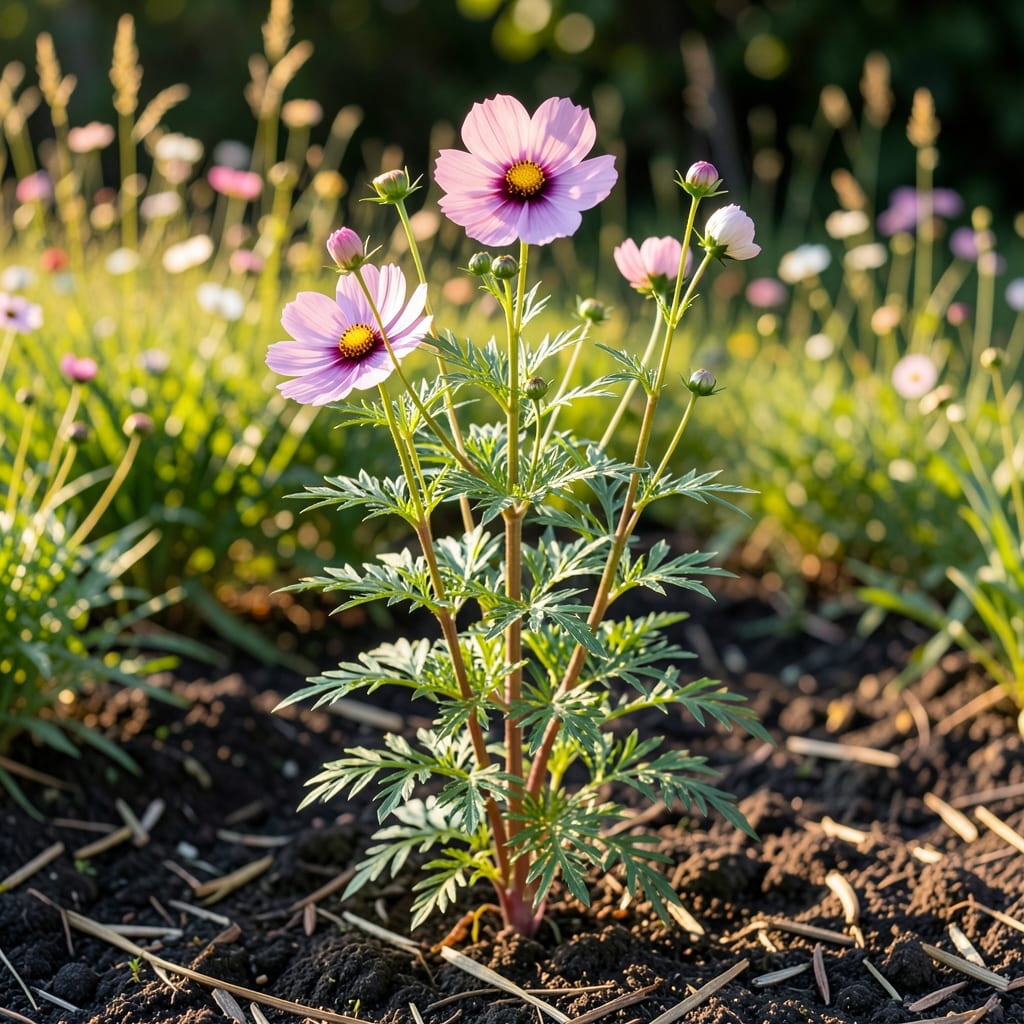
If you’ve ever wondered how tall can cosmos grow, you’ll be amazed to learn these delicate-looking flowers can reach towering heights—some varieties even surpassing 5 feet with the right care!
Whether you’re planning a backyard garden or a container arrangement, understanding the growth potential of cosmos 🌸 is key. From compact dwarf varieties perfect for borders to giant cosmos that make dramatic focal points, there’s a size for every space.
But height isn’t just about genetics—soil quality, sunlight exposure, and even pruning techniques play a huge role in how tall your cosmos will grow. I’ll break down the factors that influence their vertical growth and share tips to help you achieve the perfect height for your garden design.
Ready to transform your outdoor space with these sky-high blooms? Let’s explore the world of cosmos growth and discover how to nurture them to their fullest potential—no matter how big or small your garden may be.


Cosmos height variations: from compact to towering giants
Cosmos plants are famous for their airy, papery blooms and their ability to reach impressive heights—some varieties even top 6 feet with proper care. But not all cosmos are created equal! Their mature size can vary dramatically depending on the cultivar and growing conditions.
If you’re dreaming of a dwarf cosmos border, you’ll find varieties that stay under 2 feet tall. On the other end of the spectrum, giant cosmos can soar to 5-6 feet, creating stunning vertical accents in your garden. The key is choosing the right type for your space and growth goals.
Here’s a quick breakdown of what to expect from cosmos plants at maturity, based on their cultivar categories:
| Variety Type | Height Range | Best For | Example Cultivars |
|---|---|---|---|
| Dwarf Cosmos | 12–18 inches | Borders, containers, rock gardens | ‘Sensation,’ ‘Pink Sensation’ |
| Semi-Dwarf Cosmos | 24–36 inches | Cut flower arrangements, mid-height beds | ‘Double Click,’ ‘Bright Lights’ |
| Standard Cosmos | 36–48 inches | Back of borders, tall flower arrangements | ‘Seashells,’ ‘Cosmic Orange’ |
| Giant Cosmos | 48–72 inches | Dramatic focal points, tall hedges | ‘Purity,’ ‘Bright Star’ |
For example, the ‘Sensation’ series stays compact at just 12-18 inches, making it perfect for container gardens or window boxes. Meanwhile, ‘Bright Star’ can reach 6 feet or taller, ideal for creating a natural privacy screen or a dramatic backdrop in your garden.
Even within the same cultivar, growing conditions can influence height. A cosmos plant grown in poor soil or partial shade may stay shorter, while one in rich, well-draining soil with full sun will stretch toward the sky. This is why I always recommend testing your soil before planting—it makes a surprising difference!
If you’re planning a cut flower garden, taller cosmos varieties like ‘Seashells’ (4-5 feet) are fantastic because they produce long, sturdy stems perfect for bouquets. Their height also makes them easier to harvest without bending over!
One common misconception is that all cosmos grow to the same height. In reality, their size is highly variable, and choosing the right type for your space can make or break your garden design. For instance, a 6-foot cosmos planted too close to a 2-foot dwarf can overwhelm it, while spacing them properly creates a balanced, layered look.
Pro tip: If you love the idea of tall cosmos but have limited space, consider pruning to control height. Pinching back the top growth early in the season encourages bushier growth and shorter stems—great for container gardening or smaller yards.
Ready to pick the perfect cosmos for your garden? Let’s dive into the tallest varieties that will make your space feel like a whimsical meadow!
What determines cosmos plant height: soil, sunlight, and pruning secrets
When it comes to how tall can cosmos grow, genetics play a role—but so do your growing conditions. The right mix of soil quality, sunlight exposure, and pruning habits can push your cosmos to their maximum height or keep them compact, depending on your garden vision.
For starters, cosmos thrive in well-draining soil with a slightly acidic to neutral pH (6.0–7.0). Heavy clay soil can stunt growth, while sandy loam allows roots to spread freely, supporting taller stems. Amending your soil with compost before planting gives cosmos the nutrients they need to reach their full potential.
Here’s the secret: cosmos are sun lovers, and 6+ hours of direct sunlight daily is non-negotiable for maximum height. In full sun, varieties like ‘Bright Lights’ can easily top 5 feet, while partial shade may limit growth to 3 feet or less. If you’re in a shadier spot, opt for dwarf cosmos to avoid disappointment.
Watering also influences height—consistent moisture during the first 6 weeks helps establish strong root systems, but overwatering can weaken stems, making them more prone to flopping. Once established, cosmos are drought-tolerant, but deep watering every 3–5 days keeps them sturdy and upright.
Pruning is where you can really control height. Pinching back the tips of young plants encourages bushier growth with more blooms and shorter stems. For taller cosmos, avoid heavy pruning—let them grow naturally and use stakes or cages to support their height without breaking delicate stems.
If you’re growing cosmos in containers, choose larger pots (at least 12 inches deep) to accommodate their root systems. Root-bound plants grow slower and stay shorter, so repot if needed. For dramatic height, pair tall cosmos with lightweight trellises or bamboo stakes to guide their growth upward.
Pro tip: Deadhead spent blooms regularly to redirect energy into stem growth rather than seed production. This keeps your cosmos taller and bushier for longer, extending their vertical impact in your garden.
With the right conditions, your cosmos can reach 6 feet or more, creating a stunning vertical focal point in your garden. Experiment with different varieties and care techniques to find the perfect height for your space!