
Trees
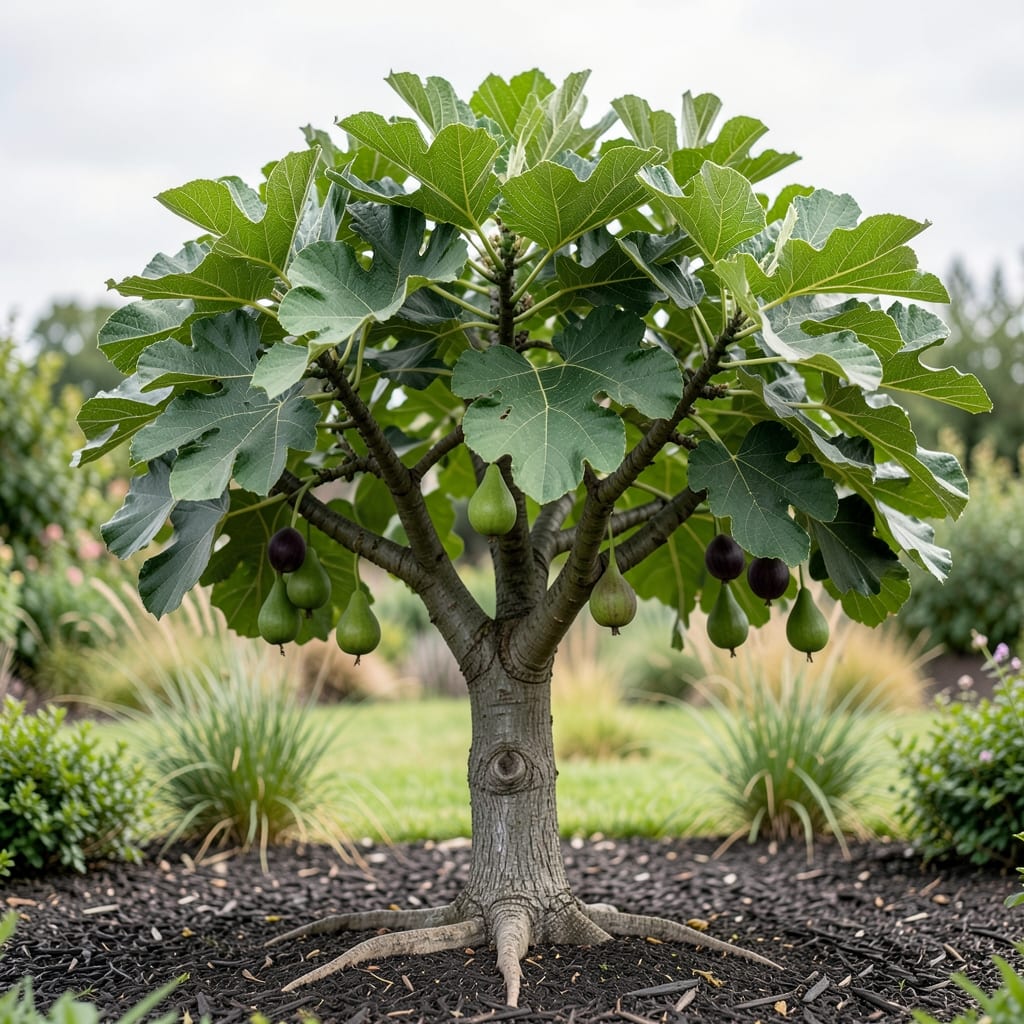
If you've ever dreamed of growing a fig tree but wondered "how tall can fig trees grow", you're about to get the full picture—because the answer might surprise you. Some varieties stay small enough for containers, while others stretch toward the sky like nature's skyscrapers. The difference often comes down to the type of 🍈 you choose and how you care for it.
Imagine planting a Little Miss Figgy that tops out at just 6 feet, perfect for patios, or letting a Desert King reach its full 30-foot potential in a backyard with plenty of space. The right variety can turn your fig tree into a conversation piece—or a towering shade provider—depending on your goals.
But here's the game-changer: pruning, sunlight, and even your local climate play huge roles in determining whether your tree stays compact or grows wild. I'll break down the science behind fig tree heights, show you how to control growth, and help you pick the perfect variety for your space—whether you want a dwarf or a giant.
Ready to discover how to grow a fig tree that fits your vision? Let's dive into the factors that shape their height—and how you can steer them in the right direction.


Fig tree height by variety: from dwarf to giant species
Fig trees are one of nature's most versatile plants, with heights ranging from compact patio dwarfs to towering shade giants. The variety you choose determines whether your tree stays at 6 feet or stretches toward 30 feet—or beyond! Understanding these differences helps you pick the perfect fig for your space, whether you're dreaming of a container-friendly tree or a backyard centerpiece.
Dwarf varieties like 'Little Miss Figgy' and 'Celeste' top out at 6-8 feet, making them ideal for balconies, patios, and small gardens. These compact figs grow slowly and produce delicious fruit without taking over your outdoor space. On the other end of the spectrum, varieties like 'Desert King' and 'Chicago Hardy' can reach 20-30 feet or more, perfect for large yards or rural properties where height isn't a concern.
Standard varieties like 'Brown Turkey' and 'Osborn Prolific' typically grow 15-20 feet tall, striking a balance between manageable size and impressive stature. These are the workhorses of fig growing, offering abundant fruit and moderate growth rates that suit most home gardens.
Now, let's dive into the specifics with a quick reference table to compare popular fig tree varieties and their mature heights:
| Variety | Mature Height | Growth Habit | Best For |
|---|---|---|---|
| Little Miss Figgy | 6-8 ft | Compact, bushy | Containers, patios |
| Celeste | 8-10 ft | Upright, slow-growing | Small gardens, urban areas |
| Brown Turkey | 15-20 ft | Vigorous, spreading | Backyards, large properties |
| Desert King | 20-30 ft | Fast-growing, tall | Rural areas, shade trees |
| Osborn Prolific | 15-20 ft | Productive, upright | Fruit production, medium spaces |
| Chicago Hardy | 20-25 ft | Cold-hardy, vigorous | Northern climates, large yards |
If you're growing figs in containers, even standard varieties can be kept smaller with the right care. For example, a 'Brown Turkey' in a 15-gallon pot might only reach 10-12 feet tall, while the same tree in the ground could easily double that height. Root-bound conditions naturally restrict growth, making containers a great tool for controlling size.
For those with limited space, dwarf varieties are the clear winners. They thrive in 5-gallon containers or larger, producing fruit without the need for pruning to control height. Just ensure your container has drainage holes and use a well-draining potting mix to prevent root rot—a common issue with fig trees in pots.
On the other hand, if you're aiming for a statement piece, varieties like 'Desert King' or 'Chicago Hardy' will deliver. These figs grow rapidly and develop broad canopies, providing shade and a dramatic focal point in your landscape. Just be prepared for regular pruning to manage their size and shape over time.
One surprising fact: some fig trees can grow even taller than expected in ideal conditions. In warm, Mediterranean climates, certain varieties have been known to reach 40 feet or more with proper care. This is why choosing the right variety for your climate zone is crucial—some figs thrive in USDA Zone 7, while others need Zone 9 or higher to reach their full potential.
🌱
How pruning and care control fig tree height
One of the most powerful tools in managing your fig tree's height is pruning. With the right techniques, you can keep a 20-foot variety under 6 feet—or let a dwarf type grow taller if you prefer. The key is timing and method. Prune in late winter or early spring before new growth begins, removing 1/3 of the canopy to encourage bushier, controlled growth. For container-grown figs, prune more aggressively to maintain compactness.
Another game-changer is training methods like espalier or topiary. These techniques shape fig trees into wall-mounted or hedge-like forms, ideal for small spaces. Espalier figs grow horizontally along trellises or fences, staying under 10 feet while producing abundant fruit. Topiary turns fig trees into ornamental shapes, like spheres or pyramids, perfect for formal gardens.
Sunlight exposure also plays a role in height control. Fig trees grown in partial shade tend to stretch toward light, becoming leggy and taller. To keep them compact, plant in full sun (6+ hours daily)
🌱 Container limitations are your secret weapon for dwarf figs. Use pots no larger than 20 gallons for varieties like 'Little Miss Figgy' to keep roots confined. Root-bound trees grow slower and stay shorter. For larger varieties, upgrade to 50+ gallon containers to accommodate their mature size while still controlling height through pruning. ✂️ Pro Tip: Sterilize pruners with rubbing alcohol between cuts to prevent disease spread. If you're growing figs in urban spaces, consider dwarfing rootstocks. These specialized understocks keep scion varieties (like 'Celeste') smaller than their standard counterparts. For example, a 'Celeste' grafted onto dwarfing rootstock may stay under 10 feet instead of reaching 20 feet. Always check with nurseries for rootstock options when purchasing fig trees. Finally, watering habits influence height indirectly. Overwatering can lead to weak, leggy growth, while consistent deep watering promotes sturdy, compact trees. Mulch around the base to retain moisture and reduce stress, which helps maintain desired height. With these strategies, you can grow fig trees that fit your space—whether you want a patio-sized tree or a shade-providing giant.Step-by-Step Pruning Guide for Height Control