
Size
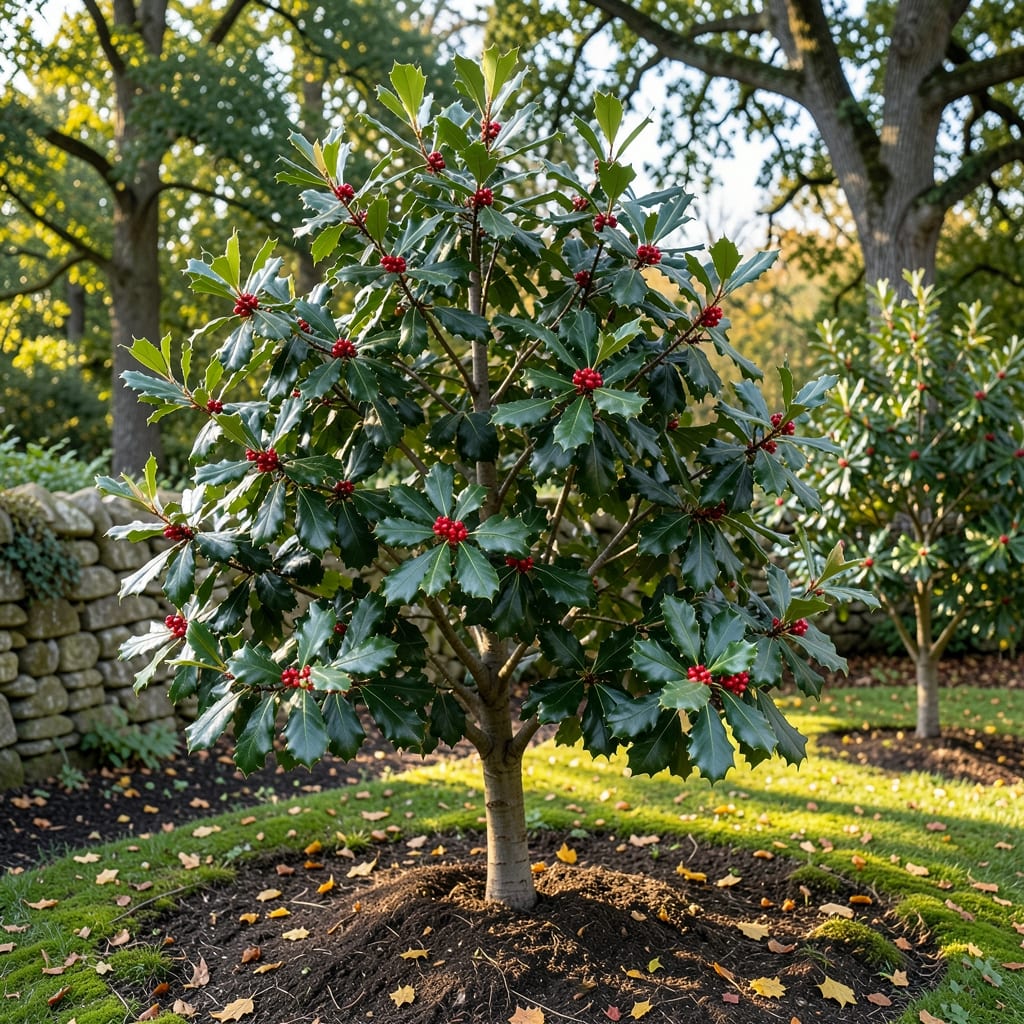
Wondering how tall can holly trees grow before they tower over your backyard? The answer might surprise you—some varieties reach heights that rival small buildings, while others stay neatly contained. If you're dreaming of a fast-growing privacy screen or a compact ornamental tree, knowing the right size is key to planning your landscape with confidence.
Holly trees like the American holly 🌲 can grow up to 60 feet tall in ideal conditions, making them a statement piece for large properties. But don’t worry—dwarf varieties like 'Sky Pencil' stay under 10 feet, perfect for smaller spaces. The difference comes down to species, care, and a little patience (or pruning know-how).
Whether you're aiming for a lush hedge or a towering focal point, understanding these height variations helps you pick the perfect fit for your yard. I’ll break down the fastest-growing types, how to control their size, and what factors—like soil and sunlight—really make a difference in their growth.
Ready to find the holly tree that matches your vision? Let’s dive into the details so you can plant with purpose and watch your landscape transform.


Holly tree mature heights: fastest-growing varieties explained
Holly trees are famous for their striking evergreen foliage and bright berries, but their mature height can range from a modest 10 feet to towering 60 feet. The key difference lies in the species and cultivar—some grow aggressively while others stay compact. For example, the American holly (Ilex opaca) often reaches 40-60 feet in ideal conditions, while dwarf varieties like 'Dwarf Burford' max out at just 6-8 feet. Understanding these variations helps you choose the perfect fit for your landscape.
If you're after fast growth, focus on varieties like 'Blue Prince' or 'Sky Pencil', which can add 2-3 feet per year under optimal care. Meanwhile, slower-growing types like 'Winter Red' take longer to reach their 20-30 foot mature height. The right choice depends on your space, sunlight, and how quickly you want results.
Here’s the breakdown of what to expect from the most popular holly tree varieties, ranked by growth rate and mature size:
| Variety | Mature Height | Growth Rate (per year) | Best For |
|---|---|---|---|
| American Holly | 40-60 ft | 1-2 ft | Large landscapes, focal points |
| English Holly | 30-50 ft | 1-1.5 ft | Privacy screens, hedges |
| 'Sky Pencil' | 10-15 ft | 2-3 ft | Narrow spaces, vertical accents |
| 'Blue Prince' | 20-30 ft | 2-3 ft | Fast privacy screens |
| 'Dwarf Burford' | 6-8 ft | 0.5-1 ft | Containers, small gardens |
The American holly is the fastest-growing species in terms of sheer height, but it requires space and patience. If you're short on room, 'Sky Pencil' is a game-changer—its narrow, columnar shape makes it perfect for tight spots while still growing 2-3 feet annually. For a balance between speed and size, 'Blue Prince' delivers dense foliage and berries without overwhelming your yard.
Soil quality and sunlight play a huge role in growth rates. Holly trees thrive in well-draining soil with partial shade to full sun. In ideal conditions, they can grow 30-50% faster than in poor soil or shade. For example, a 'Blue Prince' in full sun might reach 25 feet in 10 years, while one in shade could take 15 years to reach the same height.
Pruning also shapes growth. Regular trimming in late winter or early spring encourages bushier growth and can slow height increases by 20-30%. If you're planting near a fence or structure, prune the top branches to redirect energy toward width rather than height. This is especially useful for American holly, which can become unmanageable without control.
For wildlife lovers, taller holly trees like American holly attract birds with their bright red berries, while dwarf varieties offer the same benefits in a smaller package. If you're unsure which to pick, consider your yard’s scale and how much maintenance you’re willing to invest. A 10-foot 'Sky Pencil' needs minimal pruning, while a 50-foot English holly will require ongoing care to keep it in check.
Pro tip: If you're planting multiple holly trees for a hedge, space them 6-10 feet apart depending on the variety. This ensures they fill in quickly without competing for nutrients. For example, 'Blue Prince' hedges should start 8 feet apart, while 'Dwarf Burford' can be planted just 4 feet apart for a dense, compact look.
Ready to pick the perfect holly tree? The next step is matching your variety to your space—whether that’s a cozy corner, a sprawling backyard, or a wildlife-friendly haven. Let’s explore how to choose the right fit for your needs.
How to choose the right holly tree for your space
Selecting the perfect holly tree starts with matching its mature height to your yard’s layout. A 60-foot American holly will dominate a large property, while a 10-foot 'Sky Pencil' fits snugly in urban gardens. Measure your space first—this ensures your holly tree thrives without crowding structures or overshadowing other plants. For example, if your yard is only 20 feet wide, a 'Blue Prince' (20-30 ft) might feel cramped, but a 'Dwarf Burford' (6-8 ft) would be ideal.
Sunlight exposure is another critical factor. Holly trees thrive in partial shade to full sun, but varieties like 'Winter Red' tolerate low-light conditions better than American holly. If your yard gets less than 4 hours of sun daily, opt for shade-tolerant cultivars like 'Blue Princess' or 'Jersey Knight'. For sunnier spots, 'Sky Pencil' or 'Blue Prince' will grow faster and denser.
Here’s my key takeaway for choosing the right holly tree:
Holly Tree Selection Guide
📏 Space: Measure your yard—dwarf varieties (<10 ft) for small areas, standard (>40 ft) for large properties.
☀️ Sunlight: Full sun (6+ hrs) for fastest growth; partial shade for slower, shade-tolerant types.
🐦 Wildlife: Taller holly trees attract birds with berries; dwarf varieties offer compact wildlife benefits.
✂️ Maintenance: Prune annually for height control—top-heavy varieties need more upkeep.
Consider your intended use next. Need a privacy screen? Plant 'Blue Prince' or 'Sky Pencil' in a row, spacing them 6-8 feet apart for a dense, fast-growing barrier. Want a focal point? A single American holly or English holly will create drama with its height and berries. For containers or small gardens, 'Dwarf Burford' or 'Jersey Gem' stay manageable while adding year-round color.
Pruning is your secret weapon for controlling height. Holly trees grow best when pruned in late winter or early spring, before new growth starts. To keep a 'Blue Prince' under 20 feet, trim the top branches by 20-30% annually. For a bushier shape, prune the center branches to encourage outward growth. Avoid heavy pruning in fall—it stresses the tree and reduces winter hardiness.
Don’t overlook soil conditions. Holly trees prefer well-draining, slightly acidic soil (pH 5.0-6.0). Amend heavy clay soil with compost or pine bark to improve drainage. In poor soil, growth slows by 30-50%, so test your soil before planting. A 'Sky Pencil' in rich soil might reach 15 feet in 5 years, while one in compacted soil could take 10 years.
Finally, think long-term. A 60-foot holly tree planted today will cast shade for decades—will it interfere with future garden plans? If you’re unsure, start with a smaller variety like 'Winter Gem' (10-15 ft) and expand later. For wildlife, taller holly trees attract more birds, but dwarf varieties still provide food in a compact form. Balance your goals with your yard’s reality for a holly tree that grows beautifully—and stays that way.