
Size
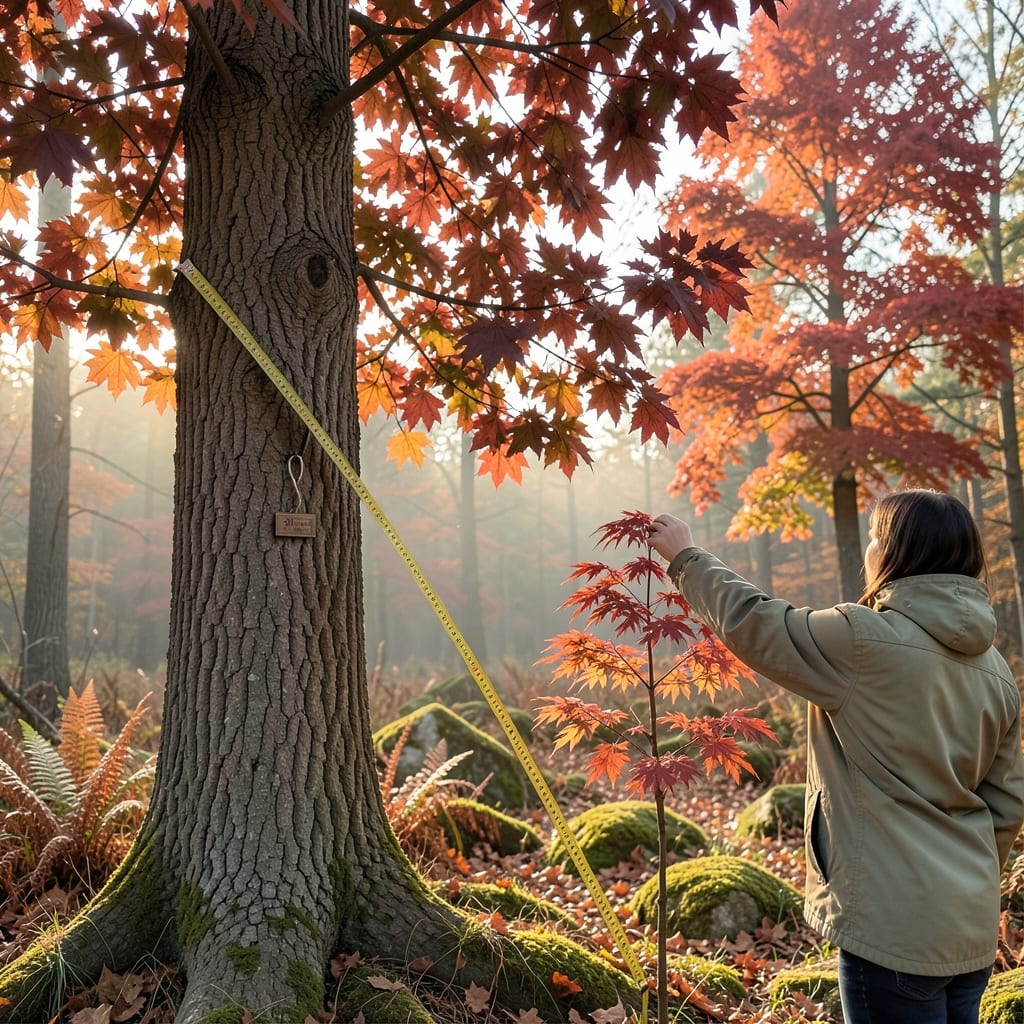
If you’ve ever wondered just how tall maple trees can grow—whether you’re planning a backyard retreat or a city sidewalk spot—you’ll be surprised by the range. Some varieties stretch taller than a 3-story building, while others stay small enough for container gardens. The right choice depends on your space and patience, and knowing these heights upfront saves headaches down the road.
Picture this: a sugar maple reaching 75–100 feet at maturity, its branches forming a canopy wide enough for a picnic under its shade. But swap that for a Japanese maple, and you’re looking at a delicate 15–25 feet tree perfect for patios. The difference comes down to species, soil, and sunlight—factors that turn a sapling into either a gentle giant or a manageable accent.
What most gardeners overlook is how growth rates vary wildly. A silver maple might shoot up 3–5 feet per year in ideal conditions, while a dwarf variety like ‘Autumn Blaze’ stays compact for decades. Planning for these differences means spacing trees wisely now to avoid pruning battles later. Let’s break down the specifics so you can pick the perfect 🌳 for your yard.
From urban sidewalks to suburban lawns, the right maple tree can transform your space—if you choose the right height. Whether you’re dreaming of towering shade or a cozy patio centerpiece, understanding these growth patterns is your first step to a stress-free planting. Ready to find your match?

Maple tree height by species: from dwarf to towering giants
Maple trees aren’t one-size-fits-all—their mature heights vary dramatically by species, from 15-foot patio dwarfs to 120-foot forest giants. Choosing the right variety depends on your space, sunlight, and how quickly you want shade. Below, I’ve organized the most popular maple species by their mature height, growth rate, and ideal growing conditions to help you visualize their potential in your yard.
For example, a sugar maple (the classic Acer saccharum) can reach 75–100 feet in the wild, but its growth slows in urban settings where space is limited. Meanwhile, a Japanese maple like ‘Bloodgood’ stays under 25 feet, making it perfect for small gardens or container planting. The key is matching the tree’s genetic potential with your property’s layout.
🌱
| Species | Mature Height | Growth Rate | Best For |
|---|---|---|---|
| Sugar Maple (Acer saccharum) | 75–100 ft | 1–2 ft/year | Large yards, shade trees |
| Red Maple (Acer rubrum) | 40–60 ft | 2–3 ft/year | Wet soils, wildlife habitats |
| Silver Maple (Acer saccharinum) | 50–80 ft | 3–5 ft/year | Fast shade, urban areas |
| Japanese Maple (Acer palmatum) | 15–25 ft | 6–12 in/year | Containers, bonsai, small gardens |
| Norway Maple (Acer platanoides) | 40–60 ft | 2 ft/year | Shade, invasive risk |
| Dwarf Varieties (e.g., 'Autumn Blaze') | 15–25 ft | 1–2 ft/year | Small spaces, patios |
Notice how silver maples grow 3–5 feet per year, making them the fastest shade-providers, while Japanese maples take decades to reach their modest heights. This matters if you’re planning a quick shade solution versus a long-term investment in a slow-growing ornamental. For instance, a red maple might take 20–30 years to reach its full 40–60 feet, while a Norway maple grows steadily but can outcompete nearby plants with its aggressive roots.
If you’re in an urban area, dwarf varieties like ‘Autumn Blaze’ or ‘Columnare’ are game-changers—they offer vibrant fall color without the space demands. Just be aware that even dwarf maples need 6+ hours of sunlight daily to thrive. Skimp on light, and you’ll end up with a leggy,
How to estimate maple tree growth over time (with space planning tips)
Estimating how tall your maple tree will grow isn’t just about guessing—it’s a science of soil, sunlight, and pruning habits. A silver maple in rich, moist soil might hit 80 feet in 30 years, while the same tree in compacted urban soil could max out at 50 feet. The key is understanding your tree’s genetic potential and adjusting for local conditions. For example, red maples grow faster in wet soils, while Japanese maples thrive in well-drained containers.
Start by checking your USDA hardiness zone—maples in Zone 3–9 grow fastest in their native ranges. A sugar maple in Zone 5 might grow 2 feet per year, but the same tree in Zone 8 could slow to 1 foot per year due to heat stress. Use this rule of thumb: multiply the tree’s mature height by 0.75 if you’re in a warmer zone to estimate realistic growth.
🌱
- 📏 Measure annual growth: After 3 years, a silver maple should be 6–10 feet. If it’s less than 5 feet, amend soil with compost or organic matter.
- ☀️ Confirm sunlight: Trees in partial shade grow 30–50% slower. Move or prune nearby structures to ensure 6+ hours of sun.
- 🪴 Prune strategically: Remove water sprouts (vertical shoots) in early spring to redirect energy to height growth. Avoid heavy pruning after July.
- 🌡️ Account for climate: Drought years can halve growth. Mulch 3 inches deep around the base to retain moisture.
- 📐 Plan spacing: Standard maples need 40–60 feet between trunks. Dwarf varieties? 15–20 feet is ideal.
Space planning is where most gardeners trip up. A 60-foot sugar maple planted 20 feet from your house could send roots 30+ feet wide, risking foundation cracks. Use the “30-degree rule”: the tree’s mature height should be no more than 3 times its distance from structures. For example, a 50-foot maple needs at least 17 feet of clearance.
If you’re working with limited space, consider container-growing dwarf varieties. A ‘Columnare’ maple stays under 25 feet and fits in a 15-gallon pot for 5–10 years before transplanting. Just remember: containers dry out faster, so water 2–3 times per week in summer. For in-ground plantings, test soil pH (6.0–7.5) and drainage—waterlogged roots stunt growth.
For a quick shade solution, prioritize fast-growing species like silver maples (3–5 ft/year) over slow growers like Japanese maples (6–12 in/year). But if you’re in it for the fall color, a red maple’s 2–3 feet per year is worth the wait for vibrant red leaves. Track growth with a measuring tape each spring—adjust pruning or fertilization based on whether your tree is outpacing or lagging behind expectations.