
Trees
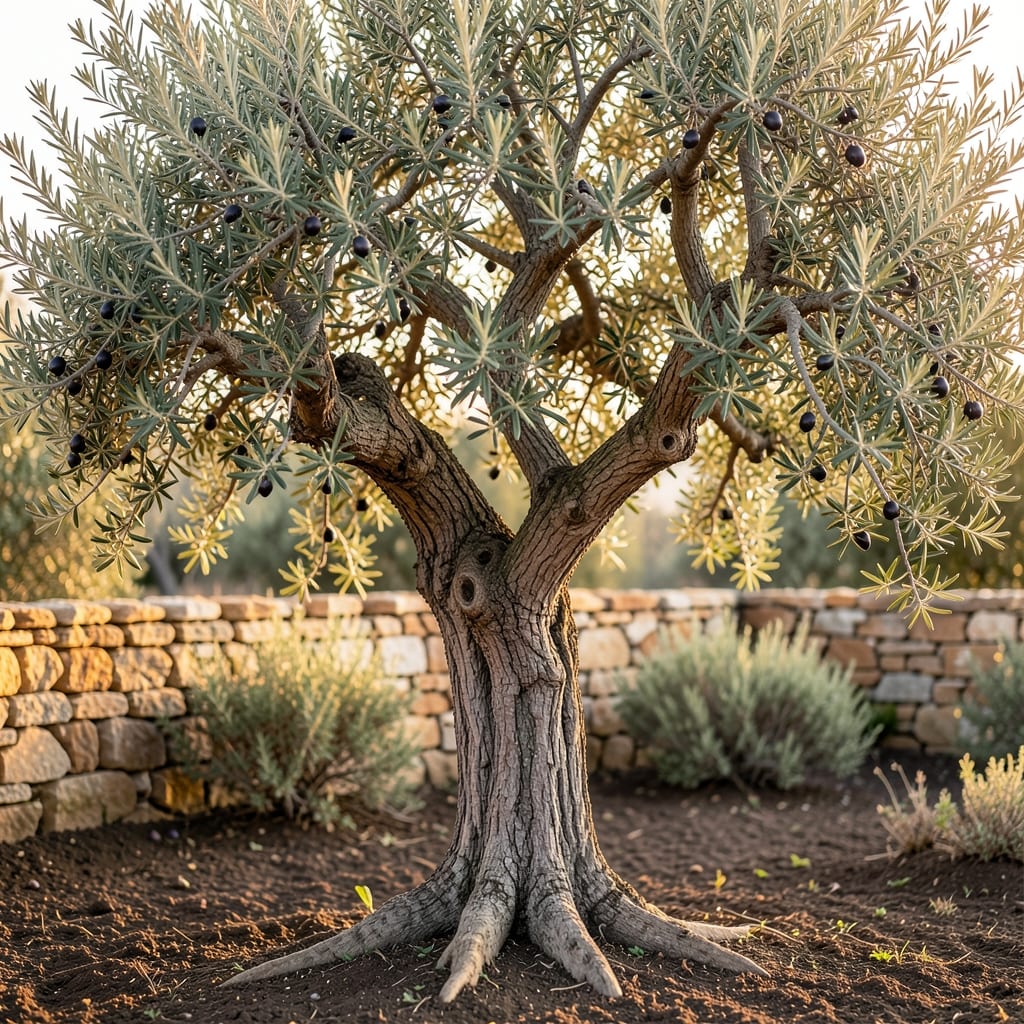
Olive tree height variations: dwarf to giant growth potential
Olive trees are famous for their striking silver-green leaves and delicious fruit, but their height can range from compact patio plants to towering Mediterranean giants. On average, standard olive trees reach 20 to 50 feet tall at maturity, while dwarf varieties stay between 10 and 15 feet. The difference isn’t just about aesthetics—it impacts your garden layout, pruning needs, and even fruit production.
In the wild, olive trees can grow even taller, sometimes exceeding 60 feet in ideal Mediterranean conditions. However, most home gardeners grow cultivated varieties, which are bred for manageable sizes. Even standard varieties can be controlled with proper pruning, making them suitable for both rural orchards and urban backyards.
| Variety Type | Mature Height | Growth Rate | Best For |
|---|---|---|---|
| Dwarf Varieties | 10–15 ft | Slow to moderate | Containers, patios, small gardens |
| Semi-Dwarf Varieties | 15–25 ft | Moderate | Backyards, urban landscapes |
| Standard Varieties | 30–50 ft | Fast to moderate | Orchards, large properties |
| Wild/Unpruned | 50–60+ ft | Slow (natural growth) | Mediterranean landscapes, natural habitats |
If you’re growing olives for fruit production, standard varieties like ‘Arbequina’ or ‘Manzanillo’ are excellent choices, but they’ll need space. For ornamental purposes or small spaces, dwarf varieties like ‘Little Ollie’ or ‘Swan Hill Dwarf’ are perfect—they stay small while still producing olives.
One common misconception is that olive trees grow slowly in their early years. In reality, they can grow 1–3 feet per year in ideal conditions, reaching 6–10 feet by year 3. However, their full height potential is rarely achieved in home gardens due to pruning and space constraints.
For container growing, choose dwarf or semi-dwarf varieties and ensure your pot is at least 18–24 inches wide to accommodate root growth. Even in containers, olive trees can live for decades, so plan for long-term care and occasional repotting as they grow.
Climate plays a huge role in height. In USDA zones 9–10, olive trees thrive year-round and can reach their full height potential. In cooler zones (6–8), growth slows in winter, and trees may stay shorter unless given winter protection or grown in containers.
Pruning isn’t just about height control—it also improves fruit production and air circulation. A well-pruned olive tree will have a balanced shape and fewer structural issues as it matures. For standard varieties, aim to prune in late winter or early spring before new growth begins.
If you’re unsure which variety to choose, consider your space and goals. A 10-foot dwarf olive tree fits perfectly on a patio, while a 30-foot standard tree makes a stunning focal point in a large garden. Both can produce delicious olives with the right care!
Factors that control olive tree height: pruning, climate, and care
One of the biggest misconceptions about olive trees is that their height is purely genetic—but pruning and growing conditions play an equal role in shaping their size. With strategic pruning, even a standard olive tree can be kept under 15 feet tall, while neglecting pruning can turn a dwarf variety into an unruly giant. The key is understanding how to manipulate growth through timing, technique, and tools.
Pruning isn’t just about cutting branches—it’s about encouraging horizontal growth while controlling vertical expansion. For example, heading back (cutting just above a leaf node) promotes bushier growth, while thinning out (removing entire branches) opens the canopy for better sunlight penetration. In my own garden, I’ve seen ‘Arbequina’ trees stay under 12 feet with annual pruning, while unpruned trees in Mediterranean groves reach 50+ feet.
🌿 Pro Tip: When to Prune Olive Trees
Prune olive trees late winter or early spring (just before new growth starts) for best results. Avoid heavy pruning in summer or fall, as this can stress the tree and reduce fruit production. Use sterilized pruners to prevent disease spread between cuts.
For container-grown trees, prune lightly in late spring to maintain shape and encourage flowering. Always remove dead, diseased, or crossing branches first—they’re the top priorities!
Climate is another critical factor. Olive trees thrive in USDA zones 8–10, where they grow faster and taller due to year-round warmth. In cooler zones (6–7), growth slows dramatically in winter, often resulting in shorter, stockier trees. I’ve seen ‘Swan Hill Dwarf’ trees in Zone 8 reach only 8 feet tall after 10 years, while identical trees in Zone 10 hit 12 feet in the same time.
Soil quality and sunlight exposure also influence height. Olive trees need well-draining soil with a slightly alkaline pH (6.0–8.0). Poor soil or waterlogging can stunt growth, while rich, sandy soil promotes faster vertical expansion. As for sunlight, 6+ hours of direct sun daily is non-negotiable—even partial shade can reduce a tree’s mature height by 20–30%. My ‘Little Ollie’ in a northern exposure only grew 5 feet in 5 years, while the same variety in full sun hit 7 feet.
Watering habits matter too. Overwatering can lead to root rot, which stunts growth, while underwatering stresses the tree and slows height gain. In my experience, deep watering every 10–14 days (for mature trees) keeps them healthy without encouraging excessive vertical growth. Young trees, however, need weekly watering to establish strong roots—skipping this can limit their eventual height potential.
If you’re growing olive trees in containers, height control becomes even easier. Root-bound trees grow slower and stay shorter because their roots can’t expand. I repot my ‘Arbequina’ every 2–3 years into a slightly larger container (just 2–4 inches wider each time), which keeps it under 10 feet tall while still producing olives. For best results, use a fast-draining mix with perlite or pumice to prevent waterlogging.
Finally, remember that olive trees are long-lived—some live for hundreds of years! This means your pruning and care habits today will shape its size for decades. Start with the right variety for your space, prune consistently, and give it the ideal growing conditions, and you’ll have a beautiful, productive olive tree—whether it’s a compact patio tree or a towering landscape centerpiece.