
Trees
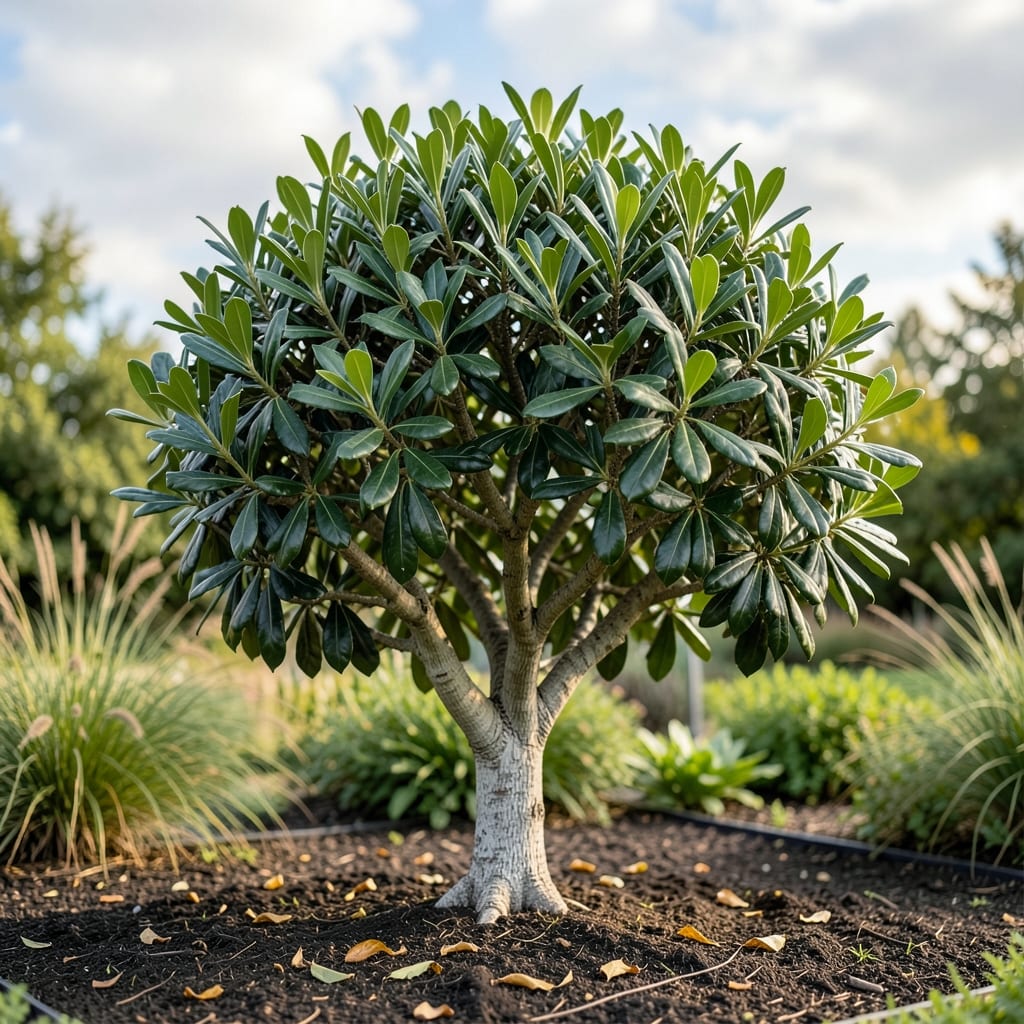
Wondering how tall do bay leaf trees grow before you commit to planting one? The answer might surprise you—some varieties stretch toward the sky like a 40-foot tower, while others stay neatly contained in pots. If you're balancing kitchen needs with garden space, knowing these growth ranges could save you from overcrowding or disappointment.
The classic Bay Laurel Tree 🌿 (Laurus nobilis) typically reaches 15-40 feet at maturity, but its height depends on where you live and how you care for it. In warmer climates like Zone 6a, it thrives as a large shrub or small tree, while cooler regions may see slower growth. The key? Pruning early and often can keep it manageable—whether you want a towering specimen or a compact leaf producer.
For small gardens or container growing, dwarf varieties like ‘Angustifolia’ stay under 8-12 feet, making them perfect for patios or kitchen windowsills. Even standard types can be shaped with regular trims, so you’re never stuck with an unruly giant. Let’s break down the options so you can pick the perfect fit for your space and cooking needs.
Ready to grow your own fragrant supply? I’ll walk you through the fastest-growing varieties, how to control height, and whether your yard (or balcony) can handle this versatile evergreen. Your next culinary project starts with the right tree—let’s get growing!


Bay leaf tree height by variety: sweet vs. California vs. dwarf types
If you’re choosing a bay leaf tree for your garden, the first question should be: how tall do bay leaf trees grow? The answer varies wildly—from towering 40-foot giants to petite 8-foot dwarf varieties. Each type has unique growth habits, so let’s break down the most common varieties and their mature heights to help you plan your space.
The classic Sweet Bay Laurel 🌿 (Laurus nobilis) is the most widely grown type, typically reaching 15-40 feet in ideal conditions. In Mediterranean climates, it grows fastest, while cooler regions may see slower growth. For kitchen gardens, this means you’ll need space—or a lot of pruning—to keep it manageable.
Here’s how the most popular varieties compare in terms of mature height, growth rate, and ideal spacing:
| Variety | Mature Height | Growth Rate | Ideal Spacing | Best For |
|---|---|---|---|---|
| Sweet Bay Laurel (Laurus nobilis) | 15–40 ft | 1–2 ft/year | 20–30 ft from structures | Large gardens, hedges |
| California Bay Laurel (Umbellularia californica) | 30–60 ft | 2–3 ft/year | 40+ ft from buildings | Wild landscapes, large estates |
| Dwarf Bay (Laurus nobilis ‘Angustifolia’) | 8–12 ft | 6–12 in/year | 5–10 ft from walls | Containers, small gardens |
| Semi-Dwarf Bay (Laurus nobilis ‘Semi-Dwarf’) | 12–18 ft | 1–1.5 ft/year | 10–15 ft from structures | Medium gardens, patio edges |
The Sweet Bay Laurel is the most common choice for home gardens, but its height can be controlled with regular pruning. If you’re in a USDA Zone 6a or warmer, expect faster growth—up to 2 feet per year in ideal conditions. For cooler climates, growth slows to 6–12 inches annually, keeping it more manageable.
If you’re in California or Pacific Northwest, the California Bay Laurel might catch your eye—but its 30–60-foot mature height makes it better suited for forests than backyards. Unless you’re planning a long-term landscape feature, this variety is usually overkill for home use.
For small spaces or containers, dwarf varieties like ‘Angustifolia’ are game-changers. These stay under 12 feet and thrive in 15–20 gallon pots, making them perfect for patios or even indoor growing near sunny windows. Just ensure your container has drainage holes to prevent root rot.
Pro tip: Even standard bay trees can be pruned into hedge shapes or small trees with consistent trimming. Aim to prune in late winter or early spring to encourage bushier growth and control height. A well-maintained bay tree can produce fragrant leaves for years without becoming unruly.
Need a quick height guide? Here’s a cheat sheet:
- 1st year: 2–4 ft
- 3rd year: 6–10 ft
- 5th year: 12–18 ft
- Mature (10+ years): 15–40 ft (depending on variety and care)
Now that you know the height ranges, the next step is choosing the right variety for your space—and learning how to control growth with sunlight, soil, and pruning. Let’s dive into how your growing conditions can shape your bay tree’s future height next! ✂️🌳
How growing conditions affect bay leaf tree height
Your bay leaf tree’s mature height isn’t set in stone—it’s heavily influenced by where you plant it and how you care for it. In ideal conditions, a standard bay laurel 🌳 can reach 30-40 feet, but in containers or with heavy pruning, it might stay under 10 feet. Let’s break down the key factors that shape its growth trajectory.
First, sunlight exposure plays a huge role. While bay leaf trees tolerate partial shade, they grow fastest with 6+ hours of morning sun. Too much harsh afternoon sun in hot climates can stunt growth, while too little shade slows it down. If you’re in a Zone 6a+ area, aim for dappled sunlight to balance growth and leaf production.
Soil quality is another game-changer. Bay leaf trees thrive in well-draining, slightly acidic soil (pH 6.0-7.0). Compacted or waterlogged soil restricts root growth, keeping your tree shorter than its potential. Amend heavy clay with compost or sand to encourage deeper roots and taller growth. Poor soil? Expect a 10-20% height reduction over time.
Your climate zone also dictates growth speed. In cooler regions (Zone 6a-7b), bay leaf trees grow 1-2 feet per year, while in warmer zones (Zone 8+), they can shoot up 3-4 feet annually. If you’re in a mild-winter area, expect faster, taller growth unless you prune regularly. Conversely, frost-prone zones may see slower, bushier growth due to seasonal stress.
Don’t overlook container growing—it’s the fastest way to control height. A bay leaf tree in a 15-gallon pot will max out at 6-8 feet, while a 5-gallon container keeps it under 4 feet. The trick? Use fast-draining mix (60% potting soil, 30% perlite, 10% compost) and repot every 2-3 years to prevent root-bound stress, which slows growth.
Finally, watering habits matter more than you think. Deep, infrequent watering (every 7-10 days) encourages deeper roots and taller growth, while shallow, frequent watering promotes bushier, shorter trees. Mulch heavily around the base to retain moisture and reduce height-suppressing stress.
With the right conditions, your bay leaf tree can become a fragrant focal point—whether you want a towering specimen or a manageable patio plant. Start by matching its needs to your space, and adjust as it grows. Your future soups (and neighbors) will thank you! 🌿