
How To
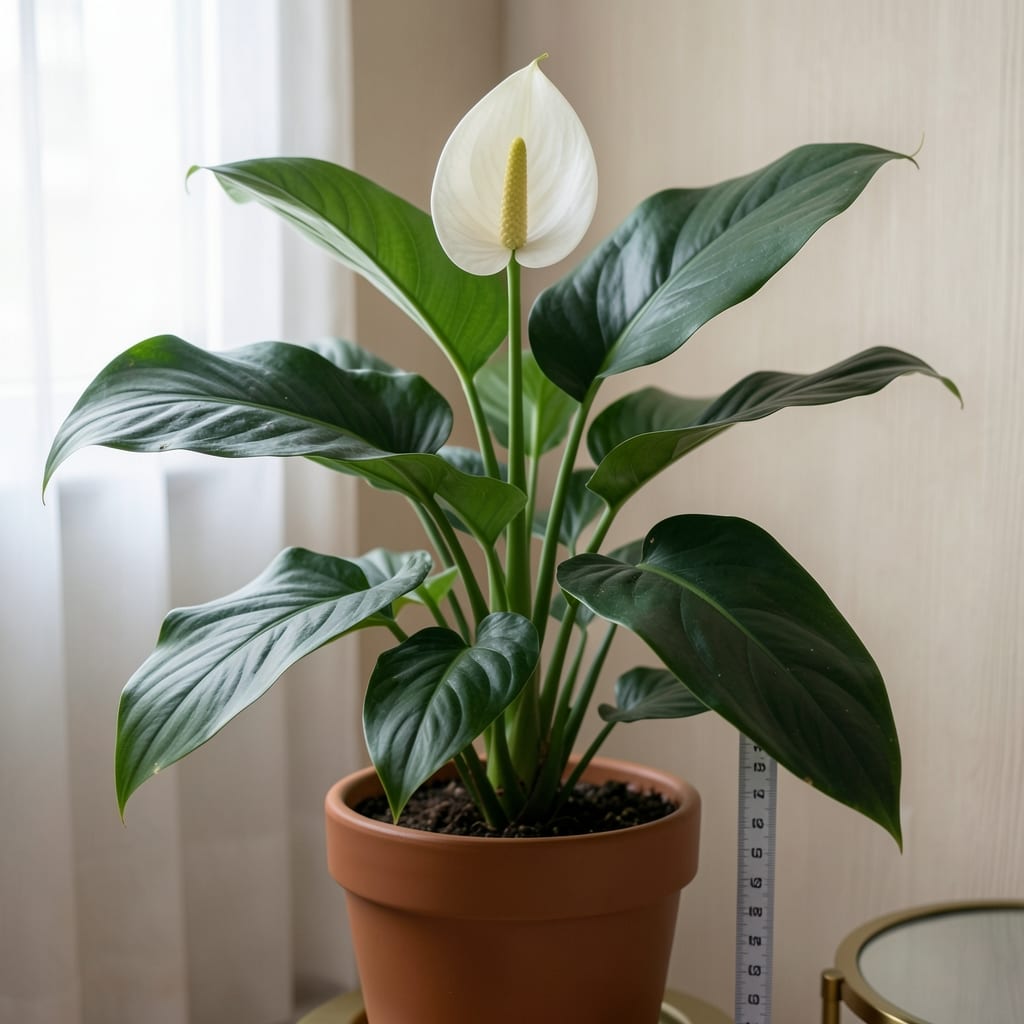
How tall can a peace lily grow—and why does it seem to stretch like a sleepy cat in the sun? 🌿 Whether you’re dreaming of a towering jungle statement piece or just want a compact desk companion, this plant’s height depends on more than luck. Some varieties barely reach your waist, while others can climb toward the ceiling with the right care (and a little patience).
If you’ve ever watched your peace lily’s leaves unfurl with excitement, you know it’s a fast grower—but its final size hinges on variety, light, and even the pot you choose. A standard Spathiphyllum wallisii might top out at 3-4 feet, but with ideal conditions, it can stretch taller. The key? Understanding how to nudge it toward your preferred height—whether that’s a modest 2 feet or a dramatic 5 feet showstopper.
Light is the silent architect of your peace lily’s height. Too little, and it stretches like a teenager; too much, and it burns. Then there’s the pot size—too cramped, and it rebels with stunted growth. I’ll break down the exact conditions that turn a 1-foot starter into a lush, leafy giant (or keep it neatly contained).
Ready to stop guessing and start growing? Let’s explore the secrets behind peace lily height—so you can finally get the size you’ve always wanted, without the trial-and-error frustration.


Peace lily height by variety: how tall do different types grow?
Peace lilies (Spathiphyllum) are like the shape-shifters of houseplants—their height can vary dramatically depending on the variety. If you’ve ever wondered why your neighbor’s peace lily looks like a tiny bush while yours stretches toward the ceiling, the answer lies in the specific cultivar you’ve chosen. Some varieties stay compact, perfect for desks or shelves, while others grow tall enough to rival small trees. Let’s break down the most popular types and their mature height ranges.
The Spathiphyllum wallisii, the classic peace lily, typically reaches 2 to 4 feet tall with proper care. This variety is the most common and adaptable, making it a favorite for beginners. Its upright growth habit and glossy leaves make it a showstopper in any room. If you’re working with limited space, this variety can be pruned to stay shorter, but it will naturally grow taller if given the right conditions.
For those who love a trailing or bushier look, the Domino peace lily is a fantastic choice. This variety stays shorter—usually between 1 to 2 feet tall—but its cascading growth habit makes it perfect for hanging baskets or shelves. Its smaller size and slower growth rate make it ideal for apartments or offices where space is at a premium. The key to keeping it compact? Regular pruning and avoiding overwatering.
If you’re drawn to bold foliage, the Red Edge peace lily is a stunning option. This variety grows to about 2 to 3 feet tall and features striking red margins on its leaves, adding a pop of color to any space. Its growth rate is similar to the Spathiphyllum wallisii, but its vibrant foliage makes it a standout. To encourage its full height potential, place it in a bright, indirect light spot and fertilize regularly during the growing season.
Now, let’s talk about the giant varieties. While most peace lilies top out at 4 feet, some rare or hybrid varieties can grow even taller—up to 5 feet or more—if given ideal conditions. These are often found in specialty nurseries or as unique collector’s items. If you’re aiming for a dramatic, floor-to-ceiling statement plant, these varieties are worth the hunt. Just be prepared for the extra care they’ll require to reach their full potential.
Here’s a quick visual guide to help you compare the most popular peace lily varieties and their mature heights:
| Variety | Mature Height | Growth Habit | Best For |
|---|---|---|---|
| Spathiphyllum wallisii | 2–4 ft | Upright | Standard indoor growth |
| Domino | 1–2 ft | Trailing/bushy | Hanging baskets, shelves |
| Red Edge | 2–3 ft | Upright | Bold foliage displays |
| Giant Hybrids | 4–5+ ft | Tall and upright | Statement pieces, large spaces |
Choosing the right variety is just the first step. The next factor that determines your peace lily’s height is its light exposure. Too little light, and it will stretch like a sleepy cat reaching for the sun—leggy and weak. Too much direct sunlight, and those beautiful leaves will scorch. Finding the sweet spot in bright, indirect light is key to encouraging healthy, compact growth. I’ll cover how to master this balance in the next section!
Pro tip: If you’re unsure about your peace lily’s variety, check the leaf shape and size. Long, narrow leaves with pointed tips? Likely a Spathiphyllum wallisii. Smaller, rounded leaves with red edges? That’s your Red Edge. The more you observe, the easier it becomes to predict—and control—your plant’s growth trajectory. 🌱
Factors that control peace lily height: light, pot size & pruning tips
Your peace lily’s height isn’t just a matter of luck—it’s a direct response to its growing conditions. Light exposure is the #1 factor controlling vertical growth. Too little light triggers etiolation, causing those long, leggy stems as the plant stretches toward any available brightness. I’ve seen peace lilies in dim offices grow 30% taller than identical plants in bright, indirect light—all because they’re desperate to reach the nearest window.
If you’re aiming for a compact peace lily (think: 2 feet tall or less), place it near a north-facing window where it gets 2-4 hours of filtered light daily. For a taller statement plant, move it to a west-facing window or under a grow light for 6+ hours of light. The key is avoiding direct sun—those velvety leaves burn easily when exposed to harsh rays.
🌱 Key Takeaway: Light & Height Control
- Low light = Leggy growth (3-5 ft tall)
- Bright indirect = Bushy, compact (2-3 ft)
- Direct sun = Stunted or burned leaves
💡 Pro Tip: Rotate your plant weekly to ensure even growth and prevent lopsided stretching.
Pot size plays a sneaky role in height too. A root-bound peace lily in a cramped container will focus energy on leaf production rather than vertical growth. I once had a 4-foot-tall peace lily that shrank to 2 feet after repotting into a 12-inch pot—its roots finally had room to spread! For optimal height control, choose a pot that’s 2-3 inches wider than the plant’s current root ball. If you want to limit height, keep it in a smaller pot and fertilize lightly.
Pruning is your secret weapon for shaping height. To encourage bushier growth (and shorter stature), pinch back the top 2 inches of leggy stems. This triggers lateral branching, creating a fuller, more compact plant. For a taller look, avoid pruning and let the plant grow naturally—just remove any yellow or damaged leaves to maintain energy flow. I prune my peace lilies every 3-4 months in spring and summer to keep them at my desired height.
Watch out for these height-killers: Overwatering causes root rot, which stunts growth, while underwatering leads to crispy leaves and slowed development. And if you’re using tap water, the fluoride and chlorine can build up in the soil, causing leaf tip burn and stress. Always use filtered or distilled water to keep your peace lily thriving—and growing to your exact specifications.
Remember, patience is key. A peace lily’s growth rate slows as it matures, so don’t expect dramatic height changes overnight. With the right balance of light, pot size, and pruning, you’ll have a plant that’s exactly the height you’ve always wanted—whether that’s a desk-sized companion or a floor-filling jungle corner.