
Trees
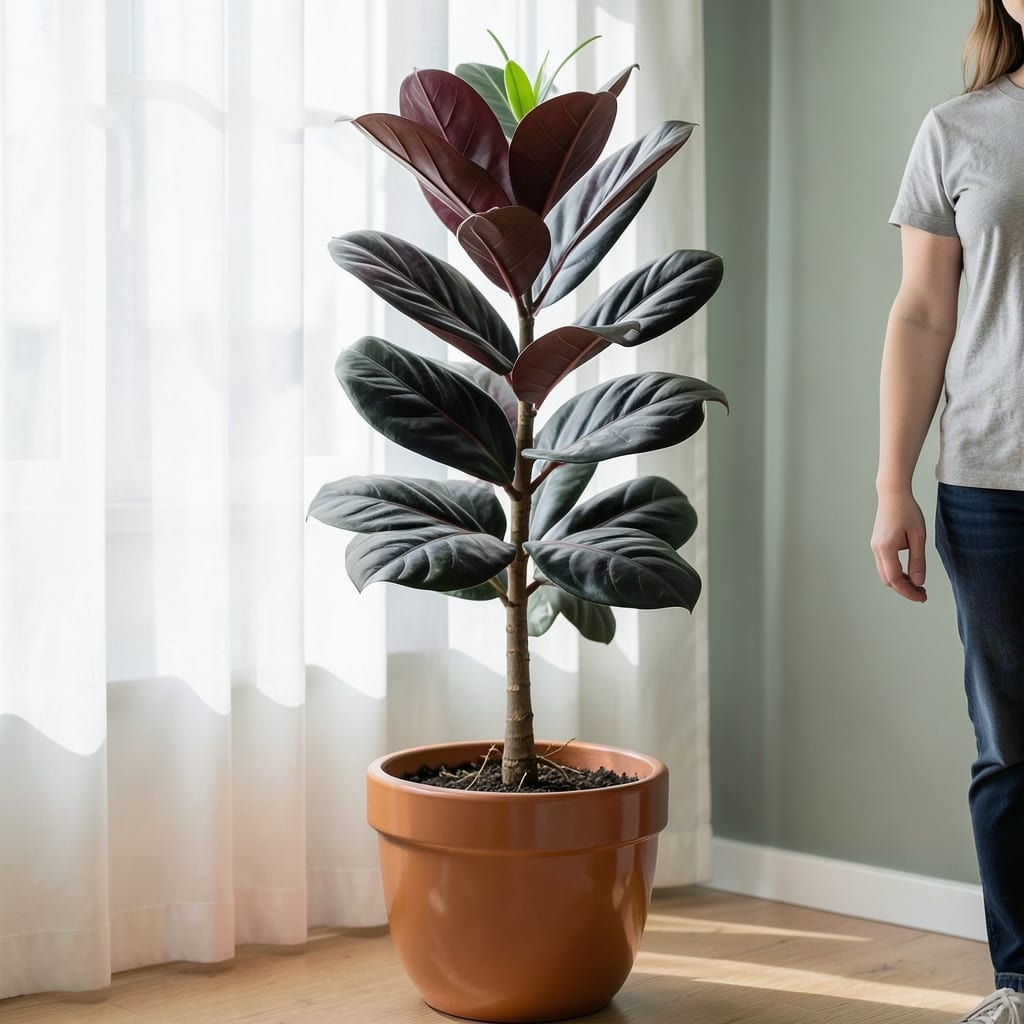
Ever wondered how tall rubber trees can grow while reaching for the sky? These striking plants aren’t just decorative—they’re architectural statements, capable of stretching 10 to 35 feet tall under ideal conditions. Whether you’re dreaming of an indoor jungle or planning an outdoor oasis, understanding their growth potential is the key to making it happen.
The answer depends on where you grow them. Indoors, rubber trees often stay between 8 and 12 feet unless you’re in a spacious home with high ceilings. But outdoors, in zones like 6a, they can soar to 20 to 35 feet, especially with the right care. The difference comes down to space, light, and how you manage their growth.
If you’re curious about how to encourage (or control) their height, you’re in the right place. I’ll break down the factors that influence rubber tree growth—from sunlight to pruning—and share practical tips to help you shape your plant’s future. Whether you want a towering centerpiece or a compact companion, we’ll get it right.
Let’s dive into what makes these trees grow so dramatically—and how you can work with (or around) their natural tendencies. Your perfect rubber tree is just a few adjustments away!

Rubber tree height limits: indoor vs outdoor growth differences
Rubber trees (Ficus elastica) are natural sky-scrapers, capable of reaching 10 to 35 feet in their native tropical habitats. But indoors? That’s a different story. Your ceiling height—whether it’s 8 feet or 10 feet—often dictates whether your rubber tree will grow vertically or sprawl horizontally. Understanding these differences helps you set realistic expectations and plan accordingly.
The key difference lies in space constraints and environmental conditions. Outdoors, rubber trees grow unchecked in warm, humid climates with abundant sunlight, while indoors, they’re limited by pot size, light exposure, and your willingness to prune. Let’s break down the numbers and factors that influence their height in both settings.
| Factor | Indoor Growth | Outdoor Growth |
|---|---|---|
| Mature Height Range | 5–10 ft (with pruning) | 10–35 ft (unrestricted) |
| Growth Rate (Per Year) | 1–2 ft (slow without ideal light) | 3–5 ft (fast in warm climates) |
| Light Requirements | Bright indirect (4–6 hrs/day) | Full sun to partial shade |
| Pot Size Impact | Roots bound = stunted growth | Spreads roots freely |
| Pruning Needs | Frequent to control height | Minimal (natural shape) |
Indoors, rubber trees rarely exceed 10 feet unless you’re in a spacious greenhouse or conservatory. Most homeowners keep them between 5 and 8 feet by pruning regularly. Without pruning, they’ll grow until they hit your ceiling or outgrow their pot, which can happen in 3–5 years under ideal indoor conditions.
Outdoors, the story changes dramatically. In tropical climates like USDA Zones 10–12, rubber trees can grow 30+ feet tall and wide, mimicking their wild counterparts. Even in milder zones (like Zone 9), they can reach 15–25 feet with proper care. The difference? Unrestricted root space and consistent humidity.
Another critical factor is light exposure. Indoors, rubber trees stretch toward light sources, a condition called etiolation, which weakens stems and slows growth. Outdoors, they receive balanced sunlight, promoting thicker trunks and faster vertical growth. If you’re growing yours indoors, place it near an east- or north-facing window to avoid leggy growth.
Pot size also plays a huge role. Rubber trees in small pots grow slowly because their roots are restricted. Upgrade to a 15–20 gallon pot every 2–3 years to encourage taller growth. Outdoors, they don’t face this limitation, allowing them to grow much larger.
Temperature matters too. Rubber trees thrive in 65–80°F ranges. Indoors, drafts from AC vents or heaters can stunt growth, while outdoors, they adapt to seasonal changes in warmer climates. If you live in a cooler zone, consider growing yours in a container that you can move indoors during winter.
Finally, soil quality and fertilization influence height. Well-draining, nutrient-rich soil with a balanced fertilizer (10-10-10) applied every 4–6 weeks during spring and summer will give your rubber tree the boost it needs to reach its potential—whether that’s 5 feet indoors or 30 feet outdoors.
Knowing these differences helps you decide whether to embrace your rubber tree’s towering ambitions or keep it compact. Next, we’ll explore how to maximize height (or keep it small) with pruning and training techniques.
How to maximize rubber tree height (or keep it compact)
Want your rubber tree to reach for the sky? Or are you dealing with a cozy apartment and need to keep it manageable? The good news is you’re in control. With the right techniques, you can encourage vertical growth or prune strategically to maintain a compact shape. The secret lies in understanding how light exposure, pruning methods, and container size influence their growth trajectory.
First, let’s talk about maximizing height. Rubber trees thrive when they receive bright indirect light for at least 4–6 hours daily. Place your plant near an east- or north-facing window to avoid harsh afternoon sun, which can scorch leaves. If natural light is limited, supplement with a grow light for 12–14 hours a day. This mimics their tropical habitat and encourages taller, sturdier growth.
- 🌱 Light Boost: Place near east-facing windows for gradual growth without sunburn.
- 🪴 Pot Upgrade: Move to a 15–20 gallon pot every 2–3 years to support root expansion.
- ✂️ Prune Strategically: Trim top growth to encourage lateral branches and bushier height.
- 💧 Water Deeply: Soak the soil every 7–10 days to prevent root stress and promote upward growth.
- 🌡️ Warmth Matters: Keep temps between 65–80°F for optimal growth—drafts slow them down.
If you’re aiming for a taller rubber tree, avoid over-pruning. Instead, focus on directional growth. Use a tall, narrow pot to guide their upward trajectory. Rotate the pot quarter-turns every 2 weeks to ensure even light exposure, preventing the tree from leaning toward one side. For outdoor plants, stake young trees to support their vertical structure until they establish a strong trunk.
On the flip side, keeping your rubber tree compact is easier than you think. Start by pruning regularly. Use clean, sharp pruning shears to trim back new growth in early spring. Cut just above a leaf node to encourage bushier growth. For a bushy, low-height look, pinch off the top few inches of stems when the plant is young. This redirects energy to side branches instead of vertical growth.
Another trick? Use espalier training for indoor rubber trees. This involves gently tying branches to a trellis or stake to grow horizontally. It’s a creative way to control height while adding visual interest to your space. Just be sure to prune aggressively in late winter to shape the tree before new growth begins.
Finally, don’t underestimate the power of dwarf varieties. Some rubber tree cultivars, like 'Robusta' or 'Black Prince', naturally stay 8–12 feet tall even with minimal pruning. If space is limited, these are excellent choices. For standard varieties, combine pruning, proper lighting, and container size to keep them within your desired height limits.
Whether you’re chasing sky-high growth or a compact companion, the key is consistency. Monitor your rubber tree’s response to light, pruning, and care adjustments, and don’t hesitate to experiment. With a little patience, you’ll have the perfect-sized rubber tree for your space—no matter how tall (or short) you want it to be! 🌿