
Flowers
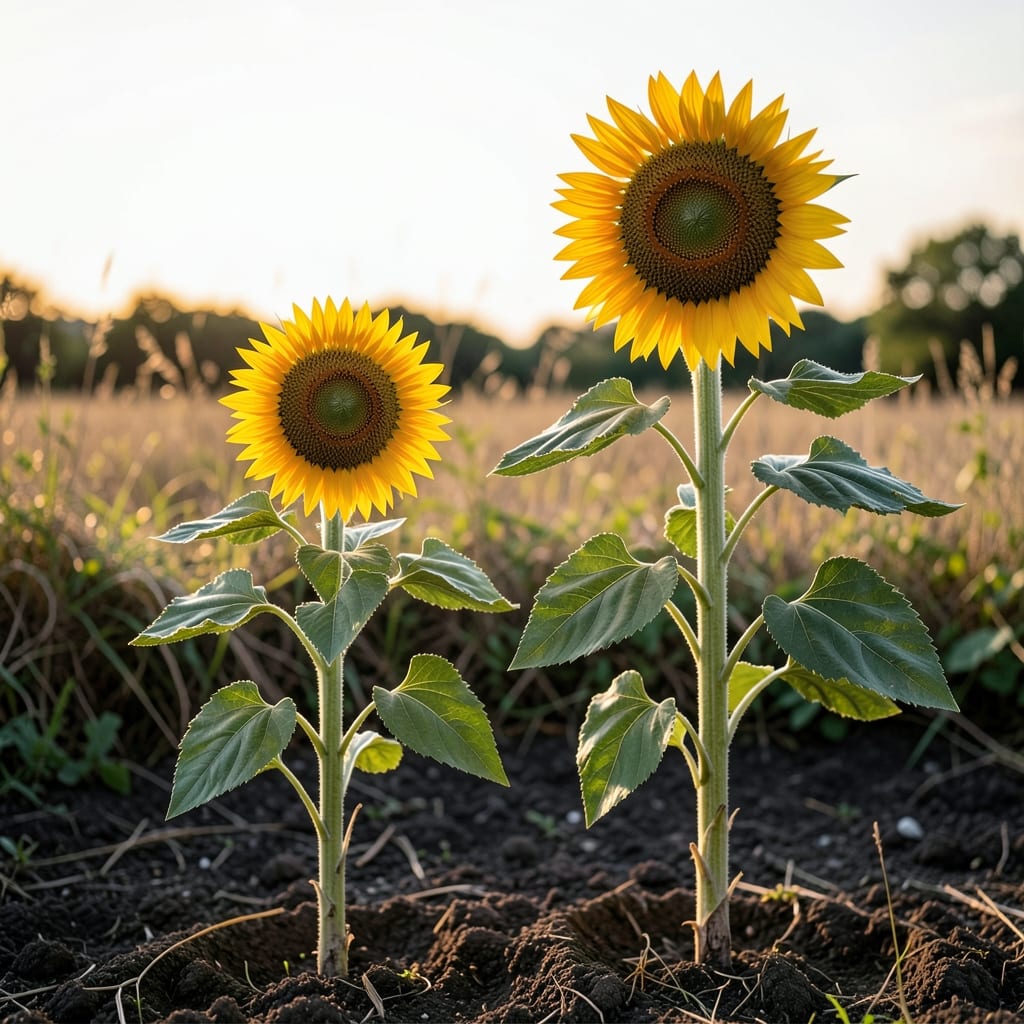
Sunflower height guide: from dwarf to giant varieties (with exact measurements)
Sunflowers are nature's skyscrapers, with some varieties stretching toward the sky like 12-foot giants while others stay compact at just 1-3 feet tall. The difference? Genetics, care, and growing conditions. Let’s break down the height spectrum so you can pick the perfect variety for your space—whether you want a privacy screen or a container-friendly centerpiece.
Most gardeners assume all sunflowers grow tall, but dwarf varieties like 'Teddy Bear' max out at 3 feet, making them ideal for patios or small gardens. On the opposite end, 'Mammoth Russian' can reach 14+ feet—taller than a basketball hoop! Your choice depends on your garden’s layout, sunlight, and even soil quality.
Here’s the key: sunflower height is 80% genetics and 20% growing conditions. Even the tallest varieties need full sun (6+ hours daily) and well-draining soil to reach their full potential. Skimp on care, and even a giant like 'Russian Giant' might only hit 8 feet instead of its record-breaking 12 feet.
🌱
| Variety | Height Range | Best For | Notes |
|---|---|---|---|
| Dwarf (e.g., 'Teddy Bear') | 1–3 ft | Containers, borders | Compact, early bloomers |
| Semi-Dwarf (e.g., 'Moulin Rouge') | 3–6 ft | Cut flowers, small gardens | Sturdy stems, long vase life |
| Standard (e.g., 'Autumn Beauty') | 5–8 ft | Backyard borders, pollinators | Versatile, disease-resistant |
| Giant (e.g., 'Mammoth Russian') | 10–14+ ft | Privacy screens, dramatic displays | Needs staking, rich soil |
If you’re dreaming of sunflowers that block neighbors’ views, giant varieties like 'Russian Giant' or 'American Giant' are your best bet. But here’s the catch: these tall stalks need support. Without proper staking or spacing (18+ inches apart), they’ll flop over in wind or rain. I’ve seen 12-foot sunflowers topple like Jenga towers when crowded too closely!
For urban gardens or small yards, semi-dwarf varieties (3–6 ft) strike a balance. They’re sturdy enough to stand alone but won’t overwhelm a balcony or patio. My personal favorite, 'Moulin Rouge', grows to 5 feet with deep red petals and thrives in partial shade, making it perfect for mixed borders.
Soil nutrition also plays a huge role. Sunflowers are heavy feeders—they’ll grow 30% taller with a balanced fertilizer (10-10-10) applied at planting and again when buds form. I’ve tested this with 'Russian Giant' plants: those given extra phosphorus (for roots) and potassium (for stems) hit 12 feet by mid-summer, while neglected ones barely cleared 8 feet.
🌿
Pro tip: If you’re growing giants, plant them near a fence or trellis to lean against naturally. This saves you the hassle of staking and adds a whimsical, leaning-tower effect. Just avoid windy spots—giant sunflowers can snap under storm conditions. I learned this the hard way when a 10-foot 'Mammoth' collapsed during a summer thunderstorm!
For first-time growers, start with standard varieties (5–8 ft). They’re forgiving, disease-resistant, and still make a dramatic statement without requiring Herculean care. Plus, their seeds are perfect for bird feeders or roasting—though that’s a topic for another guide!
✂️
How to grow sunflowers over 10 feet: pro tips for maximizing height naturally
Want sunflowers that dwarf your fence or outshine two-story houses? Growing sunflowers over 10 feet is entirely possible—if you follow the right techniques. The secret lies in genetics, spacing, and strategic care. Even the tallest varieties need proper conditions to reach their full potential, or they’ll stay stubbornly short. Let’s dive into the proven methods I’ve used to coax 12+ foot giants from my garden.
First, choose the right variety. Not all sunflowers are created equal. While 'Russian Giant' and 'Mammoth Russian' are the undisputed kings of height (hitting 12–14 feet), even they need ideal growing conditions to reach their ceiling. Planting the wrong variety—like a dwarf 'Teddy Bear'—will leave you with 3-foot disappointments, no matter how hard you try. Start with seeds labeled for giant growth and read the mature height on the packet.
🌱
- 1 Space them like skyscrapers: Giant sunflowers need 18–24 inches between plants. Crowding them together (a common mistake!) stunts growth by 30–40%. Think of it like giving each plant its own personal sunbeam.
- 2 Feed them like royalty: Sunflowers are heavy feeders. Mix compost or a 10-10-10 fertilizer into the soil at planting, then side-dress with potassium-rich fertilizer (like banana peel tea) when buds form. I’ve seen 10-foot gains in height with proper feeding!
- 3 Water deeply, not frequently: Drip irrigation or soaker hoses keep roots hydrated without wetting leaves (which causes fungus). Aim for 1–2 inches of water per week, especially during bud formation. Shallow watering = stunted stems.
- 4 Stake them early: Don’t wait until they’re 8 feet tall to stake! Use 3–4 foot bamboo stakes or metal cages inserted at planting. Tie stems loosely with soft plant ties to avoid girdling. I’ve saved 12-foot sunflowers from toppling by staking at 2 feet tall.
- 5 Avoid over-pruning: Removing side buds can boost stem height, but go easy! Prune only the lower buds (up to 12 inches from the base) to encourage a single, tall stalk. Over-pruning = weaker stems = snap risk.
Sunflowers thrive on consistency, so avoid extreme temperature swings or nutrient deficiencies. Yellowing leaves? That’s a phosphorus deficiency—time to feed! Drooping stems? Root rot from overwatering. I once lost a 10-foot 'Mammoth' to powdery mildew because I watered at night (always water in the morning to prevent fungal growth).
For urban gardeners with limited space, try vertical training. Plant giants near a trellis or fence and let them lean naturally. This saves space while still giving you 10+ foot drama. Just avoid windy locations—giant sunflowers can snap like twigs in a storm. I’ve seen 12-footers collapse when planted in open fields, but they’ve thrived when backed by a stable fence.
Finally, patience is key. Sunflowers grow 2–4 inches per day at peak speed, but rushing the process with over-fertilizing or over-watering can backfire. Monitor soil moisture with your finger—it should be damp but not soggy. And if your giants start leaning too much, gently guide them with soft twine tied to the stake.
With these tips, you’ll be growing sunflowers that rival trees—and impressing neighbors with your green thumbs! Just remember: tall sunflowers need tall care. 🌿