
How To
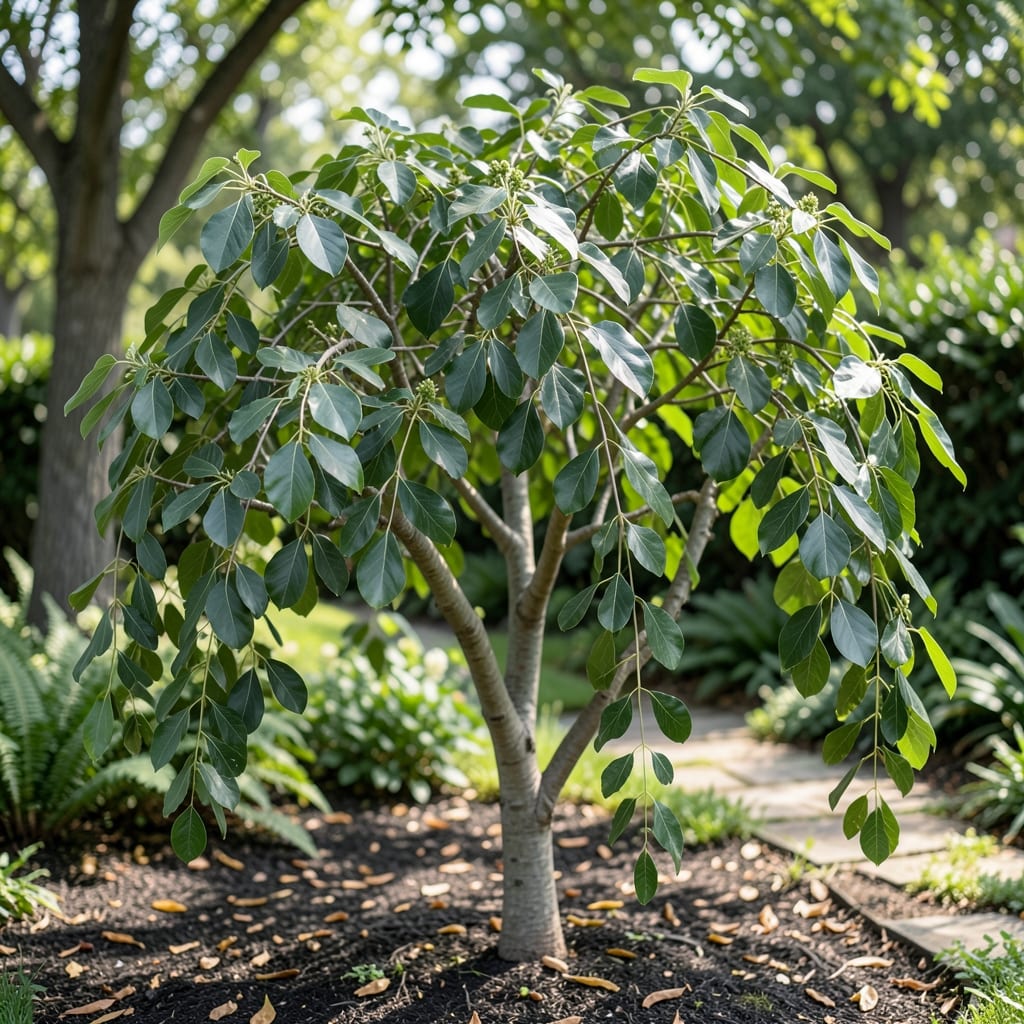
If you're wondering how tall can the Benjamin fig tree grow, the answer might surprise you—especially if you're dreaming of keeping this stunning 🌳 indoors or in a small garden. Without proper care, a Benjamin fig can shoot up to 30 feet or more, but that doesn’t mean you’re stuck with a towering giant. The key to managing its height lies in understanding its natural growth habits and how simple adjustments—like pruning, light exposure, and container size—can keep it at your ideal height.
Most gardeners assume Benjamin fig trees are high-maintenance space hogs, but the truth is, they’re incredibly adaptable. Whether you’re growing one in a cozy apartment or a sunny backyard, learning how to control its growth is easier than you think. With the right techniques, you can keep it compact, encourage lush foliage, and even train it to climb if you’re short on floor space.
Let’s break down the science behind its growth—indoor vs. outdoor conditions can make a huge difference in height—and share practical tips to maintain the perfect size for your space. You’ll discover how seasonal pruning, smart container choices, and even sunlight tricks can transform this fast-growing tree into a manageable, eye-catching centerpiece.
Ready to turn your Benjamin fig tree into a space-saving showstopper? I’ll walk you through everything you need to know to keep it thriving without sacrificing your favorite spot in the room—or your sanity. Let’s get started!


Natural height range of Benjamin fig trees: indoor vs outdoor growth
The Benjamin fig tree (Ficus benjamina) is a stunning, fast-growing plant that can transform any space—but its height depends entirely on where you grow it. Outdoors in ideal conditions, this tropical beauty can soar to 15–30 feet tall, while indoors, it typically stays between 6–10 feet if unpruned. The difference? Sunlight, space, and care make all the difference in controlling its growth trajectory.
If you’re growing yours in a container or small space, understanding these natural growth patterns helps you plan for pruning and training. Without intervention, even indoor trees can reach 12+ feet in just a few years, so knowing how to read growth signals early is key. Let’s break down the factors that shape its height—and how to keep it at your desired size.
🌱 Benjamin Fig Tree Growth Summary
| Growth Factor | Indoor Growth | Outdoor Growth |
|---|---|---|
| Mature Height | 6–10 ft | 15–30 ft |
| Growth Rate (Year 1) | 3–5 ft | 6–10 ft |
| Sunlight Needs | Bright indirect light | Full sun (6+ hours) |
| Container Size Impact | Stunts growth significantly | Minimal restriction |
| Pruning Frequency | 2–3 times/year | 1–2 times/year |
One of the biggest myths about Benjamin fig trees is that they’ll always grow tall—but container growth is entirely manageable with the right approach. If you notice new shoots reaching for the ceiling within months, it’s a clear sign your tree is outgrowing its space. The key is to prune early and often, especially in the first year, to encourage a bushier shape rather than a single tall stem.
Outdoors, full sun exposure accelerates growth, while indoors, limited light slows it down but can also lead to leggy, weak stems. That’s why I always recommend placing my indoor Benjamin fig near a south-facing window—it gets enough light to grow steadily without stretching uncontrollably. If you’re in a low-light area, supplement with a grow light to maintain healthy growth.
Soil quality also plays a huge role. Well-draining, nutrient-rich soil helps the tree grow stronger and more compact. If you’re growing in a pot, choose a large container (15+ gallons) to give roots room to spread without restricting upward growth. Overcrowded roots can actually stunt height, but they’ll also make the tree more prone to stress and disease.
Don’t forget about seasonal growth patterns. Benjamin figs grow most aggressively in spring and summer, so that’s when you’ll see the biggest height jumps. In fall and winter, growth slows dramatically—this is the perfect time to prune for shape and prepare for the next growing season. I like to prune mine in late winter just before new shoots appear, which keeps the tree looking full and controlled.
If you’re growing your Benjamin fig outdoors in USDA Zone 10 or warmer, it can become a permanent landscape feature, reaching its full 20–30 ft potential. But in cooler climates, it’s often grown as a houseplant or container tree, where height can be easily managed. The good news? Even if you let it grow tall, you can always prune it back drastically and restart its shape—it’s incredibly resilient!
Watch for these growth signals to adjust your care plan:
- Rapid vertical growth = Needs pruning to encourage bushiness
- Leggy stems = Not enough light or overcrowded roots
- Yellowing leaves = Overwatering or poor drainage
- Dropping leaves = Stress from sudden temperature changes
With the right balance of light, pruning, and container size, you can keep your Benjamin fig at almost any height—whether you want a 6-foot statement piece or a 12-foot indoor tree. The key is to stay proactive and adjust your approach based on how your tree responds to its environment. 🌿
Natural height range of Benjamin fig trees: indoor vs outdoor growth
The Benjamin fig tree (Ficus benjamina) is a fast-growing beauty that can dramatically differ in size depending on whether it's grown indoors or outdoors. Without proper care, it can reach 15–30 feet tall outdoors, towering over two-story houses. But indoors, its growth slows, typically staying between 6–10 feet in containers, making it a perfect fit for homes and offices.
Sunlight plays a huge role in determining height. Outdoors, full sun exposure fuels rapid growth, while indoors, even a south-facing window with 6+ hours of light can limit height but still encourage lush foliage. Poor lighting? Expect slower growth and leggy stems—definitely not the bushy look you want!
Container size is another key factor. A Benjamin fig tree in a 15-gallon pot will stay compact, while a larger container (20+ gallons) allows for more growth. Root-bound trees grow faster but may need repotting every 2–3 years to prevent stunted growth. Always use pots with drainage holes!
Watch for growth signals like new leaves or stretching stems. If your tree is growing too fast for its space, it’s time to prune. Regular pruning not only controls height but also encourages a fuller, bushier shape—perfect for indoor decor. Just avoid heavy pruning in winter, as the tree needs time to recover.
Climate matters too. In USDA Zone 6a or warmer, Benjamin fig trees thrive outdoors year-round. But in colder zones, bring potted trees indoors before the first frost. Even a short cold snap can damage leaves, slowing growth and affecting the tree’s overall health.
For container gardeners, the dwarf varieties like ‘Exotica’ or ‘Starlight’ are game-changers—they max out at 8–12 feet even without pruning. If you’re working with a standard variety, though, pruning is your best friend for keeping it at your desired height while maintaining that lush, tropical look.