
How To
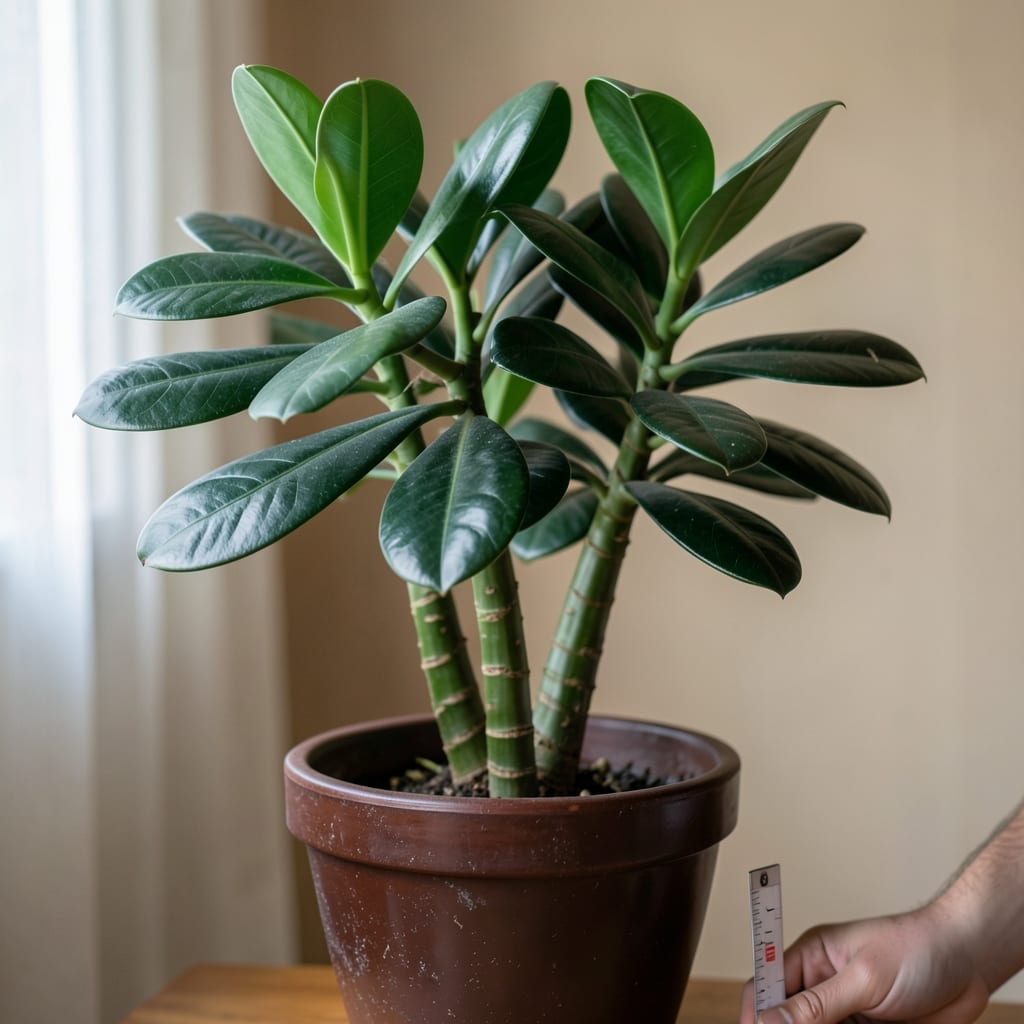
If you’ve ever wondered how tall can a ZZ plant grow—or whether it’ll soon become a jungle giant in your living room—you’re not alone. This resilient 🌿 ZZ plant can reach heights of 3 to 4 feet indoors when given the right care, but its growth is far more flexible than most people realize.
The key to controlling its height lies in understanding its natural growth habits. Left unchecked, a mature ZZ plant can stretch toward the ceiling, but with proper container size, pruning, and light exposure, you can keep it compact or let it sprawl as a statement piece. Whether you’re working with a small windowsill or a spacious corner, knowing these factors will help you shape its size perfectly for your space.
What’s surprising is how slowly this plant grows—even in ideal conditions. Many assume they’ll need to trim it frequently, but with the right approach, you can guide its growth without constant maintenance. I’ll break down exactly how to encourage (or limit) its height, so you can enjoy its striking foliage without any unexpected surprises.
From debunking common myths to practical tips for repotting and pruning, you’ll learn how to nurture your ZZ plant for the perfect height—whether you want it as a low-profile desk companion or a bold floor plant. Let’s get started!

ZZ plant height limits: natural growth vs container constraints
The ZZ plant (Zamioculcas zamiifolia) is famous for its slow-but-steady growth, but its maximum height depends entirely on its environment. Under ideal conditions, a mature ZZ plant can reach 3 to 4 feet tall indoors, though most stay between 2 to 3 feet with proper care. This height is influenced by factors like container size, light exposure, and even the plant’s age.
In its native habitat (tropical forests of Eastern Africa), ZZ plants grow as underground rhizomes with minimal vertical growth. Indoors, they adapt by stretching toward light sources, which is why you’ll often see them lean toward windows. The key difference? Container-bound ZZ plants rarely exceed 2 feet unless repotted into larger pots, while those given floor space can reach their full 3–4 foot potential.
Here’s the science behind it: ZZ plants grow from rhizomes (thick underground stems) that store water and nutrients. When roots are root-bound (crowded in a small pot), the plant focuses energy on leaf production rather than height. But when given extra space, those rhizomes expand, allowing the plant to grow taller over time.
Light plays a critical role too. While ZZ plants thrive in low to bright indirect light, they won’t grow much taller in dim conditions. Direct sunlight can scorch leaves, but moderate indirect light (like a north-facing window) encourages steady, healthy growth. The trade-off? Too much light can make the plant leggy (tall and sparse), while too little slows growth entirely.
Age matters too. In the first year, a ZZ plant typically grows just 1 to 2 feet. By year two, it may reach 2 to 3 feet, and after that, growth slows dramatically. This is why many gardeners assume their ZZ plant has stopped growing—it’s simply matured! Understanding these stages helps you set realistic expectations for your plant’s height.
Another factor is pruning. Regular trimming can encourage bushier growth and prevent the plant from becoming too tall. If you’re aiming for a compact desk plant, pruning the stems just above a leaf node will promote side shoots. For a floor-length statement plant, minimal pruning lets the ZZ plant reach its natural height.
Fun fact: ZZ plants can also grow horizontally. If you let them sprawl, they can spread 2 to 3 feet wide while staying shorter. This makes them perfect for shelving or hanging baskets if you want to control their vertical growth entirely.
If you’re wondering whether your ZZ plant will ever reach ceiling height, the answer is unlikely—unless you’re growing it in a greenhouse or outdoor tropical climate, where it can occasionally exceed 4 feet. Indoors, most ZZ plants top out at 3 feet, making them a manageable size for most homes. The beauty of this plant is its adaptability—whether you want a small desk companion or a floor-length statement piece, you can shape its growth with the right care.
One common misconception is that ZZ plants grow quickly. In reality, they’re one of the slowest-growing houseplants, adding just 1–2 new leaves per year. This means you won’t see dramatic height changes overnight, but with consistency, you can guide
ZZ plant height limits: natural growth vs container constraints
The ZZ plant (Zamioculcas zamiifolia) typically reaches a mature height of 2 to 3 feet indoors, but with ideal conditions, it can stretch up to 4 feet. This slow-growing plant’s height depends heavily on its environment, especially container size and light exposure. Unlike fast-growing plants, a ZZ plant’s growth is gradual—expect only 1-2 inches of growth per year in average conditions.
Outdoors in tropical climates, ZZ plants can grow taller, sometimes reaching 5-6 feet, but this is rare for indoor settings. The key factor limiting height indoors is root space. When roots become root-bound in a small pot, growth slows dramatically. This is why many ZZ plants stay compact unless repotted into larger containers.
🌱
| Growth Factor | Indoor Height Range | Outdoor Height Range |
|---|---|---|
| Standard Pot (6-8") | 1-2 feet | N/A (indoor plant) |
| Large Container (12"+) | 3-4 feet | N/A (indoor plant) |
| Low Light Conditions | 1-2 feet (slower growth) | N/A (indoor plant) |
| Bright Indirect Light | 2-3 feet (optimal) | N/A (indoor plant) |
| Tropical Outdoor Climate | N/A (indoor plant) | 5-6 feet (rare) |
Light exposure plays a crucial role in determining height. While ZZ plants tolerate low light, they grow more slowly in such conditions. Placing your plant near a north-facing window provides the ideal balance of bright indirect light, encouraging steady growth without stretching. Direct sunlight, however, can scorch the leaves, so avoid placing it in south-facing windows.
Another surprising factor is the plant’s maturity timeline. Most ZZ plants reach their full height within 3-5 years, but growth can stall if the plant becomes root-bound or lacks nutrients. Regular repotting every 2-3 years ensures continued upward growth. I’ve found that upgrading to a pot just 2-3 inches larger in diameter can trigger a noticeable growth spurt.
If you’re aiming for a floor-length ZZ plant, focus on providing consistent care: well-draining soil, moderate watering, and a pot with adequate drainage. With these conditions, you’ll see your plant reach its maximum potential height without the need for aggressive pruning.
🪴