
Succulent
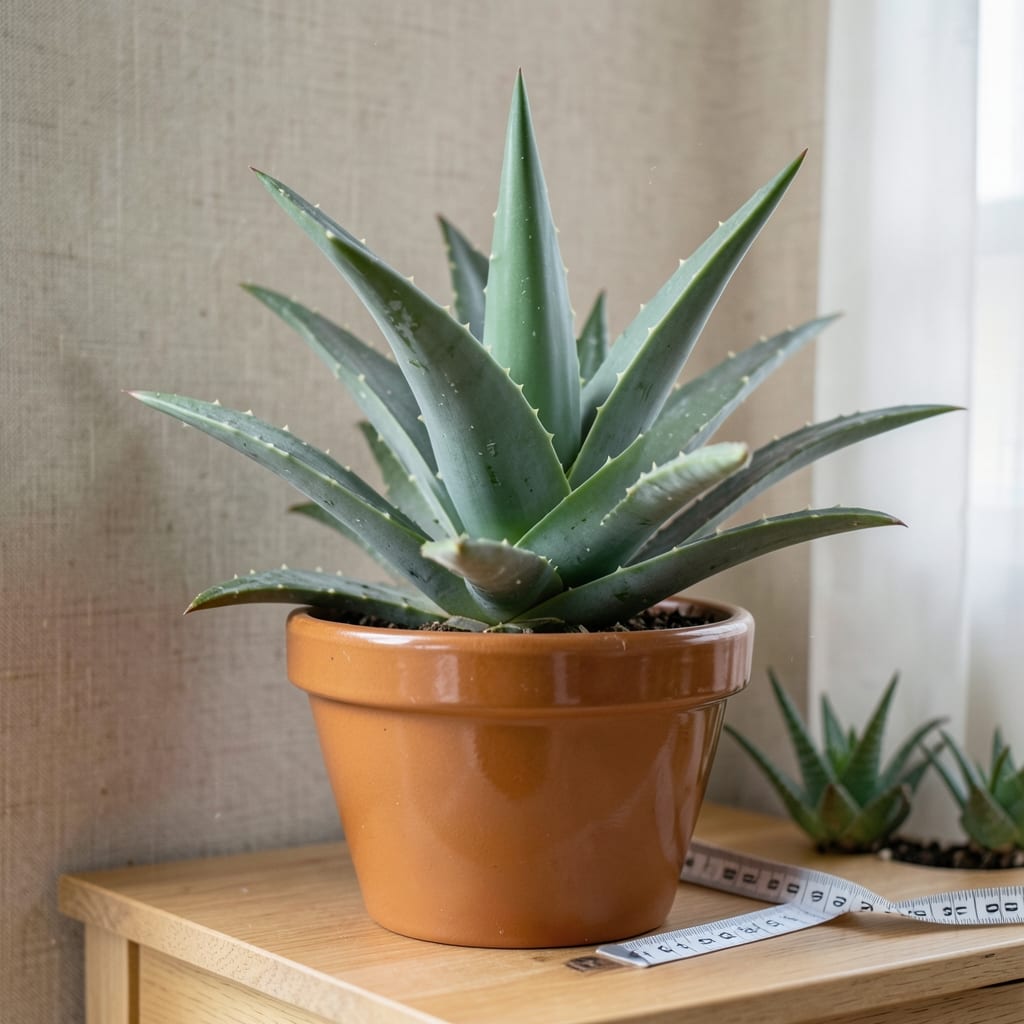
If you're wondering "how tall do aloe vera plants grow", the answer might surprise you—especially when you compare container-grown varieties to those thriving outdoors. While most 🌱 aloe vera plants stay between 12 and 36 inches tall, their final height depends on where they live and how you care for them. Whether you're growing yours on a sunny windowsill or in a garden bed, understanding these limits helps you plan your space and avoid overcrowding.
Outdoor aloe vera plants in zones like 6a often reach their full height faster, sometimes topping 3 feet with proper sunlight and soil. But if you're growing yours in pots—especially indoors—they’ll naturally stay shorter, rarely exceeding 2 feet unless you repot them. The key difference? Outdoor plants stretch toward the sun, while container-grown ones focus energy on leaf thickness rather than height.
Curious about how to keep your aloe vera at your ideal height? Factors like sunlight, pot size, and pruning play a huge role. Too much shade? Your plant might stay stunted. Too little space? It’ll grow leggy and weak. I’ll walk you through the exact steps to manage its size—whether you want a compact desk companion or a lush outdoor specimen. Let’s dive in.
Ready to transform your aloe vera into the perfect size for your home or garden? You’ll learn how to spot the signs of overgrowth, when to prune for healthier leaves, and even how to propagate cuttings for new plants. No more guessing—just clear, actionable tips to keep your aloe vera thriving at the height you love.

Aloe vera height limits: indoor vs outdoor growth comparison
Your aloe vera plant’s height isn’t set in stone—it’s shaped by where you grow it. In containers, most varieties stay between 12 and 24 inches, while outdoor plants in ideal conditions can reach 3 feet or taller. The difference comes down to space, sunlight, and root development. If you’re growing yours indoors, expect a more compact, bushier plant. Outdoors, they stretch taller but often develop thicker leaves to store more water.
Here’s the key distinction: container-grown aloe vera rarely exceeds 2 feet unless you repot it every 1-2 years. Outdoor plants, however, can grow 36 inches or more in zones like 6a, especially with full sun exposure. The trade-off? Outdoor plants may need more pruning to prevent legginess, while indoor plants benefit from occasional repotting to encourage upward growth.
🌱 Did you know? Aloe vera grown in bright, indirect light (like a south-facing window) will stay shorter but produce thicker, more medicinal leaves. Direct outdoor sun, on the other hand, fuels rapid height growth but can sometimes lead to sunburned leaf tips if not acclimated properly.
| Growth Factor | Indoor (Container) | Outdoor (Garden Bed) |
|---|---|---|
| Mature Height Range | 12–24 inches | 24–36+ inches |
| Growth Speed | Slower (root-bound) | Faster (unrestricted roots) |
| Leaf Thickness | Thicker (water storage) | Thinner (height focus) |
| Sunlight Needs | Bright indirect (6+ hours) | Full sun (8+ hours) |
| Repotting Frequency | Every 1–2 years | Not applicable |
| Common Height Issue | Leggy growth (lack of light) | Overgrowth (needs pruning) |
If you’re growing aloe vera outdoors, pay attention to your USDA zone. In cooler zones like 6a, growth slows in winter, but with proper care, your plant can still reach 3 feet by its third year. The secret? Use a well-draining soil mix with perlite or sand to prevent root rot, which can stunt height growth. I’ve found that adding a 1-inch layer of gravel at the bottom of pots helps mimic outdoor conditions and encourages taller growth.
For indoor aloe vera, the biggest height limiter is pot size. If your plant outgrows its container, it’ll focus energy on leaf production rather than height. A good rule of thumb: Repot when roots circle the bottom of the pot. I repot mine every 2 years and see a noticeable increase in height within 6 months. Just avoid overwatering—aloe vera hates soggy soil, which can lead to yellowing leaves and stunted growth.
💡 Pro Tip: Place your aloe vera near a south-facing window for optimal light without direct midday sun. This balance keeps your plant compact yet healthy, with leaves reaching 12–18 inches in just 1–2 years. For outdoor plants, a morning sun, afternoon shade setup prevents sunburn while encouraging steady height growth.
Wondering how to tell if your aloe vera is hitting its height potential? Look for thick, upright leaves with minimal gaps between them. If your plant has long, sparse leaves, it’s likely root-bound or not getting enough light. In my experience, the first 2 years are crucial—this is when most of the height gain happens. After that, growth slows, and your plant shifts focus to leaf thickness and flowering (though flowering is rare in indoor conditions).
🌿 Key Takeaway: Whether you’re growing aloe vera indoors or outdoors, height is directly tied to light exposure, container size, and soil quality. By adjusting these factors, you can steer your plant toward your ideal height—whether that’s a compact desk plant or a tall garden statement piece. Next, we’ll dive into the specific factors that influence growth and how to control them for the perfect-sized aloe vera.
Factors that influence how tall aloe vera gets (and how to control it)
If you’ve ever wondered why your aloe vera seems stuck at 12 inches while your neighbor’s reaches 3 feet, the answer lies in a few key factors. Sunlight exposure, pot size, and pruning habits play the biggest roles in determining how tall your plant grows. For example, my indoor aloe vera stayed under 18 inches for years because it was in a small, dark corner—until I moved it to a south-facing window and repotted it. Within 6 months, it shot up another 6 inches!
🌱 Sunlight is the #1 growth driver. Aloe vera thrives in full sun (6+ hours daily), but too much direct midday sun can scorch leaves, stunting growth. If your plant is indoors, place it within 2–3 feet of a bright window. Outdoor plants in USDA zone 6a need morning sun and afternoon shade to grow tall without damage. Without enough light, your aloe vera will stretch leggy and weak, focusing energy on reaching for light rather than thickening leaves.
Another critical factor is pot size. Aloe vera roots hate being cramped, which forces the plant to grow upward instead of outward. If your aloe vera is root-bound (roots circling the pot), it’ll grow taller but weaker. I repot mine every 2 years into a container just 1–2 inches larger in diameter. This small upgrade gives roots room to spread, leading to thicker leaves and controlled height growth. For outdoor plants, ensure the soil is well-draining—mix in perlite or sand to prevent root rot, which stunts growth.
💧 Watering habits also impact height. Overwatering causes root rot, which weakens the plant and limits its ability to grow tall. Aloe vera stores water in its leaves, so it only needs a deep watering every 2–3 weeks. Let the soil dry completely between waterings—stick your finger 2 inches into the soil; if it’s damp, wait longer. Underwatering, on the other hand, can cause leaves to shrivel and stunt growth, so find that balanced middle ground.
Finally, temperature and humidity affect height growth. Aloe vera prefers warmth (70–90°F) and low humidity. In cool climates like zone 6a, growth slows in winter, but your plant will bounce back in spring. High humidity can lead to fungal issues, which weaken the plant and reduce its height potential. If you notice yellowing leaves or mold, improve airflow by spacing plants 12+ inches apart.
🌿 Key Takeaway: To control your aloe vera’s height, focus on sunlight, pot size, and watering. Give it bright indirect light, repot every 2 years, and water sparingly—these tweaks will keep your plant at your ideal height, whether you want a compact desk plant or a tall garden centerpiece. Next, we’ll cover when and how to prune to maintain that perfect size!