
Size
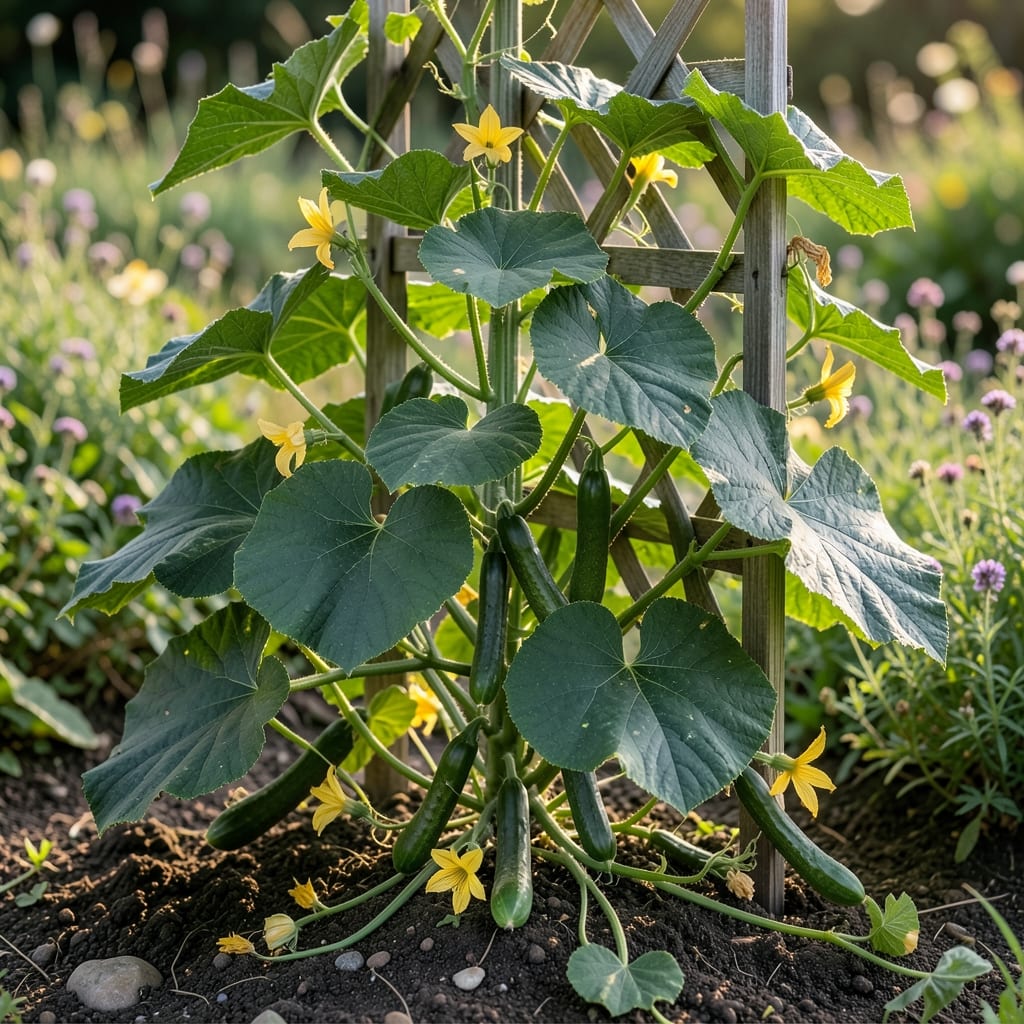
If you’ve ever wondered why your cucumber patch looks like a jungle or why some varieties stay stubbornly small, the answer lies in how tall cucumber plants grow—and it’s not just about the plant itself. Whether you’re working with sprawling vines that reach for the sky or compact bushes that hug the ground, understanding their growth habits is the key to maximizing your harvest without turning your garden into a tangled mess.
Most gardeners assume all cucumbers behave the same way, but the truth is, there’s a huge difference between vining types that can climb 15-20 feet and bush varieties that top out at just 1-3 feet. Knowing which type you’re growing—and how to manage it—can mean the difference between a bountiful harvest and a struggle to find space for everything. Let’s break down what you need to know to give your 🥒 plants the perfect environment to thrive.
For those with limited space, bush cucumbers might seem like the obvious choice, but they come with their own set of challenges. Meanwhile, vining varieties can transform your garden into a vertical jungle if left unchecked. The good news? With the right spacing, trellising, and pruning techniques, you can control their growth and even turn a small plot into a high-yielding cucumber powerhouse. Ready to learn how?
We’ll cover everything from choosing the right variety for your space to avoiding common mistakes that stunt growth. Whether you’re a beginner or a seasoned gardener, these insights will help you optimize your cucumber patch for better yields and less hassle. Let’s get started!


Cucumber plant height by variety: vining vs bush types explained
Understanding how tall cucumber plants grow starts with recognizing the two main growth habits: vining and bush types. These differences aren’t just about aesthetics—they directly impact your garden layout, yield potential, and even the types of cucumbers you’ll harvest. Vining cucumbers, like the classic 'Straight Eight', can climb 15-20 feet if given the right support, while bush varieties such as 'Bush Champion' stay compact at just 1-3 feet tall.
If you’ve ever struggled with cucumber vines taking over your garden or wondered why some plants seem to barely grow, the answer lies in their genetic makeup. Vining types are bred to spread horizontally and vertically, often producing longer, more productive vines that require trellises or fences. Bush types, on the other hand, are genetically dwarfed, making them ideal for containers or small spaces but often yielding fewer cucumbers per plant.
For those with limited space, bush cucumbers might seem like the perfect solution, but they come with trade-offs. While they don’t require trellising, their shorter stature can limit airflow, increasing the risk of fungal diseases like powdery mildew. Meanwhile, vining varieties can transform your garden into a vertical green wall—but only if you’re prepared to provide the right support and maintenance.
Choosing the right variety for your garden isn’t just about height—it’s also about harvest goals. Vining cucumbers often produce longer, straighter fruits, while bush types may yield smaller, rounder varieties like pickling cucumbers. For example, 'Marketmore 76', a vining type, can produce up to 20 cucumbers per plant when trellised, whereas 'Bush Crystal' might yield 10-12 cucumbers but in a more manageable space.
If you’re new to gardening, bush cucumbers can be a great starting point because they require less maintenance and are perfect for containers or small balconies. However, if you have vertical space—like a fence or trellis—vining varieties can maximize your yield without taking up extra ground space. The key is to match your garden’s layout with the plant’s growth habits.
For those with limited space, consider semi-dwarf varieties like 'Spacemaster', which strike a balance between height and yield. These plants typically reach 4-8 feet and can be trained lightly to save space while still producing a generous harvest. They’re a fantastic middle-ground option for gardeners who want the benefits of both vining and bush types.
Another factor to consider is climate. In cooler regions, vining cucumbers may struggle to reach their full height without adequate warmth, while bush types can thrive in containers and be moved indoors during cold snaps. Conversely, in hot climates, the vertical growth of vining types can help keep fruits off the scorching ground, reducing the risk of sunburn or rot.
When planning your cucumber patch, think about how you’ll support your plants. Vining types need sturdy trellises—at least 6-8 feet tall—to prevent vines from flopping over and to keep fruits clean and pest-free. Bush types, while low-maintenance, still benefit from light mulching to retain moisture and suppress weeds, which can stunt their growth if left unchecked.
Finally, remember that pruning can play a huge role in controlling height, especially for vining varieties. By pinching off excess growth early in the season, you can redirect the plant’s energy into producing fewer but larger cucumbers. This technique is particularly useful for gardeners who want to manage their plants’ vertical expansion while still enjoying a bountiful harvest.
Optimal spacing and training tips to maximize growth
When it comes to managing how tall cucumber plants grow, proper spacing and training are just as important as choosing the right variety. Bush cucumbers need only 12-18 inches of space between plants, while vining types can sprawl up to 6-8 feet if left unchecked. Without guidance, those sprawling vines will compete for sunlight, nutrients, and space, leading to smaller yields and more pests. The key is to give each plant enough room to breathe while also directing their growth upward or outward in a controlled way.
For bush cucumbers, aim for a 12-24 inch spacing in all directions. These compact varieties are perfect for small gardens or containers, but they still need airflow to prevent diseases like powdery mildew. If you’re growing them in rows, space the rows 3-4 feet apart to allow for easy maintenance and harvesting. For vining cucumbers, the game changes entirely—these plants will climb, so you’ll need to provide a trellis or fence. Space them 24-36 inches apart in rows that are 5-6 feet apart to give them room to spread and grow vertically.
Here’s how to train your cucumbers for maximum growth and yield without sacrificing space:
Use a sturdy trellis (at least 6-8 feet tall) for vining cucumbers. This not only saves space but also improves air circulation, reducing the risk of fungal diseases. Install the trellis at planting time so the vines can climb naturally. For bush types, a low trellis or small cage can support the plant’s weight as it produces fruit.
Prune vining cucumbers by removing side shoots (suckers) that grow below the first flower cluster. This directs energy to the main vine and fruit production. For bush types, prune only to remove dead or yellowing leaves, as these plants are naturally compact. Always use clean, sharp pruners to avoid damaging the plant.
Apply 2-3 inches of mulch around the base of your cucumber plants to retain moisture, suppress weeds, and regulate soil temperature. Organic mulches like straw or shredded leaves also break down over time, adding nutrients to the soil. Keep the mulch a few inches away from the stem to prevent rot.
Water deeply and consistently, aiming for 1-1.5 inches per week. Use a soaker hose or drip irrigation to deliver water directly to the roots, avoiding wet foliage, which can lead to disease. Water in the early morning to allow leaves to dry quickly, further reducing the risk of fungal issues.
If space is limited, consider vertical gardening techniques like hanging baskets or wall-mounted trellises. Bush cucumbers thrive in large containers (at least 12 inches deep), while vining types can be grown in tower gardens or along fences. Just ensure containers have drainage holes and are placed in full sun.
By following these spacing and training tips, you’ll not only control how tall cucumber plants grow but also create an environment where they can produce larger, healthier fruit with minimal effort. Whether you’re working with a sprawling vine or a compact bush, a little planning goes a long way in maximizing your harvest. And remember, the more you train your plants, the less they’ll take over your garden—and the more cucumbers you’ll end up with on your plate!
Pro tip: If you’re growing vining cucumbers, consider using a spiral trellis or A-frame structure to save even more space. These designs allow vines to grow in a compact, upward spiral, making them ideal for small gardens or urban balconies. 🌱