
Size
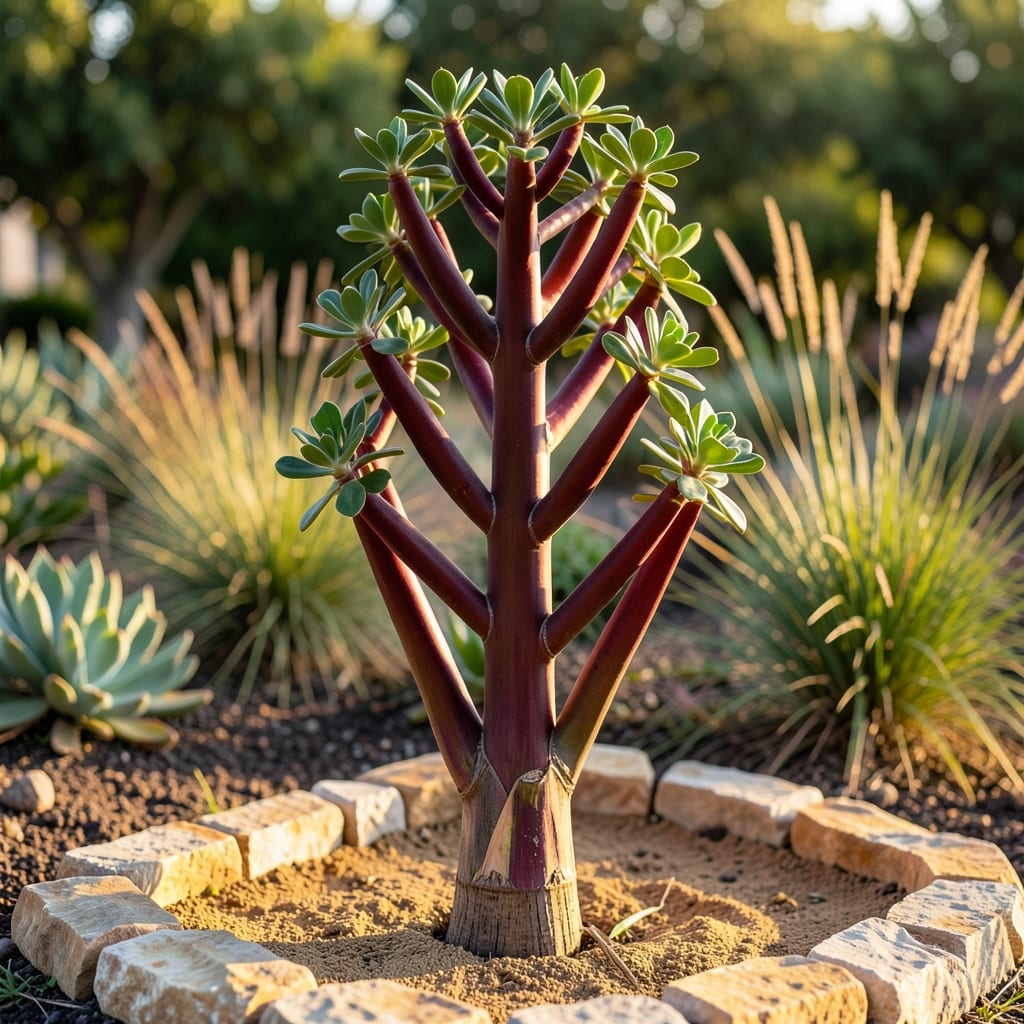
Curious about how tall your African Milk Tree 🌳 could grow? This striking succulent isn’t just a conversation piece—it’s a living centerpiece that can stretch from a compact 3-foot tabletop plant to a towering 30-foot outdoor giant, depending on its variety and care. Whether you’re dreaming of a dramatic indoor statement or planning a drought-resistant landscape, understanding its growth potential is the key to getting exactly what you want.
The good news? You have more control than you think. With the right pruning techniques and light exposure, you can shape this plant to fit your space—whether that means keeping it at a manageable 6 feet indoors or letting it reach its full height outdoors in zones like 6a. But here’s the catch: neglecting its needs can lead to stunted growth or even health problems, so we’ll cover the must-know tips to keep it thriving.
Beyond its height, African Milk Trees are prized for their versatility. They’re perfect for adding a pop of color to your garden or as a low-maintenance, water-wise option for tough climates. Just remember—this plant’s milky sap can irritate skin, so always wear gloves when handling it. Let’s break down everything you need to know to grow one that’s both stunning and stress-free.
From dwarf varieties that stay under 10 feet to fast-growing types that can add 3 feet per year, we’ll explore the exact height ranges you can expect. Plus, I’ll share how to avoid common mistakes that could sabotage your plant’s growth. Ready to turn your African Milk Tree into the showstopper of your garden or home?


African Milk Tree height by variety: exact growth expectations
The African Milk Tree (Euphorbia trigona) is famous for its dramatic vertical growth, but its final height depends heavily on the specific variety you choose. Some stay compact enough for indoor spaces, while others become architectural giants in outdoor gardens. Let’s break down the exact height ranges you can expect from the most popular types, so you can pick the perfect fit for your space.
First, it’s important to note that this plant’s growth rate accelerates as it matures. In its first year, most varieties grow just 2 to 4 feet, but by year three, they can shoot up to 12 to 15 feet—and that’s just the beginning! With ideal conditions, some varieties reach their full 20 to 30-foot potential in as little as 5 to 7 years. That’s why choosing the right variety is step one in controlling its height.
Here’s a quick look at how different African Milk Tree varieties compare in terms of height. The table below highlights their mature sizes, growth rates, and ideal growing conditions to help you visualize what to expect.
The 'Compacta' variety is my top pick for indoor gardeners with limited space. It stays under 5 feet and grows slowly, making it perfect for apartments or offices. Meanwhile, the 'Fire Stick' variety is a powerhouse—it can add 4 to 6 feet per year if given plenty of sunlight and space, making it ideal for outdoor gardens where you want rapid growth.
If you’re planning to grow your African Milk Tree outdoors in USDA Zone 6a or warmer, expect even faster growth. These plants thrive in hot, dry climates and can reach their full 20 to 30-foot height in as little as 5 years. In contrast, indoor growth is slower due to limited light and space, so you’ll likely see heights closer to 6 to 10 feet over the same period.
One common misconception is that all African Milk Trees grow into towering giants. In reality, their height is highly customizable based on pruning and care. For example, if you prune the top growth regularly, you can keep a 'Ruby Port' variety under 6 feet indefinitely. This makes it a versatile plant for both small and large spaces.
When choosing a variety, also consider its foliage color. The 'Snowflake' variety, for instance, has striking white-tipped leaves, while the 'Ruby Port' boasts deep purple hues. These colors can influence how you style your garden or indoor space, so pick one that matches your aesthetic goals.
Finally, remember that African Milk Trees are not cold-hardy. If you live in a colder climate, you’ll need to bring potted varieties indoors during winter. This limitation can affect their height potential, as indoor growth is naturally slower. Always research your local climate and adjust your expectations accordingly.
Now that you know the height ranges for each variety, you’re ready to choose the perfect African Milk Tree for your space. Next, we’ll dive into how to control its growth through pruning and care—so you can shape it exactly how you want it! 🌱
African Milk Tree height by variety: exact growth expectations
African Milk Trees (Euphorbia trigona) are architectural marvels, but their height varies dramatically by variety and growing conditions. The standard variety can reach 10-15 feet indoors with proper care, while outdoor specimens in ideal climates (like USDA Zone 6a+) may surge to 20-30 feet—taller than a two-story house! Understanding these differences helps you choose the perfect variety for your space.
For example, the 'Ruby Port' variety typically stays between 6-10 feet, making it ideal for large rooms or sunrooms. Meanwhile, the 'Snowflake' cultivar often tops out at 12-15 feet, adding dramatic vertical interest. Even dwarf forms (like 'Compacta') rarely exceed 3-5 feet, perfect for tables or shelves.
Here’s how growth rates break down by year: In Year 1, expect 2-4 feet of growth; by Year 2, they’ll double to 6-10 feet. With optimal conditions, outdoor trees can add 3-5 feet annually after Year 3, reaching their mature height by Years 5-7.
| Variety | Mature Height (Indoors) | Mature Height (Outdoors) | Growth Rate (Annual) | Best For |
|---|---|---|---|---|
| 'Ruby Port' | 6-10 ft | 12-18 ft | 2-4 ft/year | Large rooms, sunrooms |
| 'Snowflake' | 10-15 ft | 20-25 ft | 3-5 ft/year | Outdoor landscapes, privacy screens |
| 'Compacta' | 3-5 ft | 6-8 ft | 1-2 ft/year | Tables, shelves, small spaces |
| Standard (Wild Type) | 10-15 ft | 20-30 ft | 3-6 ft/year | Outdoor focal points, desert gardens |
Climate plays a huge role in height. In arid regions (like Arizona or California), outdoor African Milk Trees thrive and can reach their full 20-30-foot potential. But in cooler climates (like Zone 6a), they’ll grow more slowly unless you bring them indoors during winter. Even indoors, a south-facing window with 6+ hours of direct sunlight is non-negotiable for maximizing growth.
Pro tip: If you’re growing this plant as a houseplant, rotate it every 2-3 weeks to ensure even growth. Uneven light exposure can cause lopsided growth, where one side stretches toward the window while the other stays stunted. This simple habit keeps your tree symmetrical and healthy.
Remember, the milky sap of African Milk Trees is toxic—always wear gloves when pruning or handling. With the right variety and care, you can grow a stunning vertical centerpiece that fits your space perfectly. Ready to pick your perfect height?