
Trees
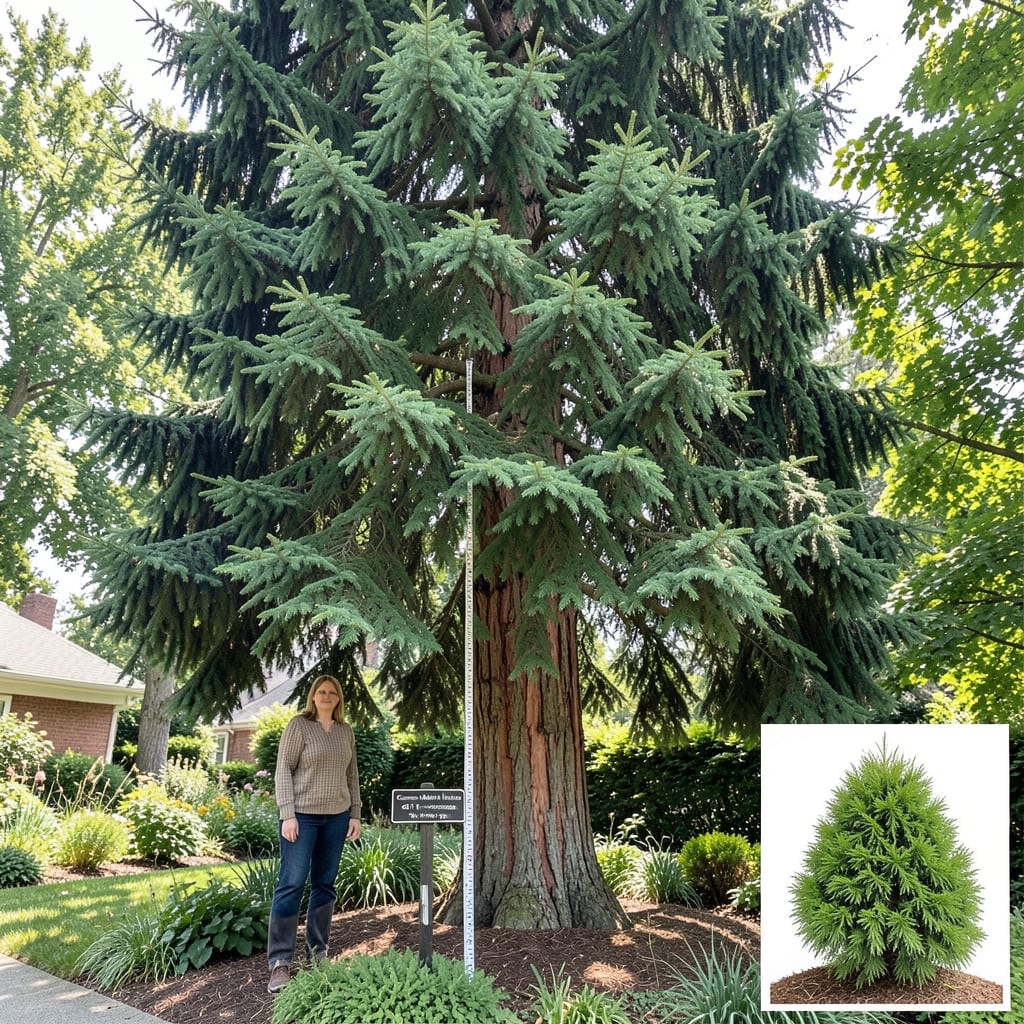
If you're wondering how tall do arborvitae trees grow, the answer might surprise you—these evergreens can range from compact shrubs to towering giants that dwarf even the tallest two-story homes. Choosing the right variety is key, since some arborvitae 🌲 varieties stay under 10 feet while others reach 60 feet at maturity.
Picture this: a Green Giant arborvitae stretching toward your roofline, or an Emerald Green variety neatly framing your patio. The difference comes down to genetics, care, and where you live. Whether you're working with USDA Zone 6a or warmer climates, understanding these factors will help you pick the perfect size for your space.
But here's the thing—even the fastest-growing arborvitae won't reach their full height overnight. With proper planting in spring (April-May) and consistent care, you can control their growth and keep them at your ideal height. Let's break down exactly what to expect from each variety and how to manage them long-term.
From dwarf cultivars that fit cozy gardens to standard trees that make bold statements, we'll cover everything you need to know. Ready to find the perfect arborvitae for your backyard? Let's get started.

Arborvitae height chart: exact mature heights by top 10 varieties
When planning your landscape, knowing exactly how tall arborvitae trees grow helps you avoid future headaches. Some varieties stay small enough for container gardens, while others become towering privacy screens. The key is selecting the right cultivar for your space—whether you need a 6-foot hedge or a 60-foot statement tree.
At The Evergreen Seeds Team, we've planted and pruned dozens of arborvitae varieties, and the differences in mature height are staggering. For example, the Emerald Green stays neatly under 12 feet, while the Green Giant can reach 50 feet or more. Let's break down the exact heights you can expect from the most popular arborvitae cultivars.
Here's a quick reference for the top 10 arborvitae varieties, including their mature heights, growth rates, and ideal spacing. This chart will help you visualize which size fits your property best.
| Variety | Mature Height | Spread | Growth Rate | Ideal Spacing |
|---|---|---|---|---|
| Emerald Green | 10-12 ft | 3-4 ft | Slow to Moderate | 4-6 ft apart |
| Green Giant | 40-50 ft | 12-15 ft | Fast | 20-30 ft apart |
| American Plumosa | 12-15 ft | 4-6 ft | Moderate | 5-7 ft apart |
| Leighton Green | 10-12 ft | 3-4 ft | Slow | 4-6 ft apart |
| Hollander Green | 15-20 ft | 4-6 ft | Moderate | 6-8 ft apart |
| Star® | 8-12 ft | 3-4 ft | Slow | 4-5 ft apart |
| American Gold | 12-15 ft | 4-5 ft | Moderate | 5-7 ft apart |
| Taylor | 3-5 ft | 2-3 ft | Slow | 3-4 ft apart |
| Conica (Dwarf) | 2-3 ft | 2-3 ft | Very Slow | 2-3 ft apart |
| American Arborvitae | 40-60 ft | 20-30 ft | Fast | 30-40 ft apart |
The Green Giant and American Arborvitae are the tallest varieties, making them perfect for privacy screens or windbreaks on large properties. If you're working with limited space, the Taylor or Conica varieties are ideal—they'll never outgrow a small garden or patio container.
For most homeowners, the Emerald Green or Leighton Green offer the best balance of manageable size and lush foliage. These varieties grow at a slow to moderate rate, making them easier to maintain over time. Always plant them with their ideal spacing in mind—crowding can lead to poor air circulation and disease.
One common mistake we see is planting tall varieties like Green Giant too close to structures. These trees can develop root pressure that damages foundations or sidewalks. Give them plenty of room to spread their roots, especially in USDA Zone 6a where growth rates may accelerate slightly.
Pro tip: If you're unsure which variety to choose, consider your
How growth zones affect arborvitae height: cold-hardy vs. heat-tolerant varieties
Your USDA growth zone plays a surprisingly big role in determining how tall your arborvitae will grow. While some varieties thrive in cold climates like Zone 4, others struggle unless planted in Zone 8 or warmer. The key difference? Cold-hardy arborvitae grow slower in cooler zones, while heat-tolerant types may reach their full height faster in warmer regions.
For example, the American Plumosa arborvitae grows 15-20 feet in Zone 5 but can reach 25 feet in Zone 7. Meanwhile, Green Giant arborvitae grows 3-4 feet per year in Zone 6 but may only gain 1-2 feet annually in Zone 3. Understanding these patterns helps you set realistic expectations for your climate.
Let's compare how different varieties perform across growth zones, including their mature heights and growth rates:
| Variety | Zone Range | Mature Height (ft) | Growth Rate (ft/yr) | Climate Notes |
|---|---|---|---|---|
| Emerald Green | 4-8 | 12-15 | 1-1.5 | Cold-hardy; slower growth in Zone 4 |
| Green Giant | 3-8 | 40-50 | 3-4 | Fastest in Zone 6-7; slower in Zone 3 |
| American Plumosa | 4-8 | 15-25 | 2-3 | Tolerates Zone 4 well; faster in Zone 7 |
| Leighton Green | 5-8 | 15-20 | 1.5-2 | Heat-sensitive; slower in Zone 8+ |
| Tolleson Weeping | 6-9 | 10-15 | 1-1.5 | Best in Zone 6-8; struggles in Zone 3 |
If you're in Zone 3 or 4, focus on cold-hardy varieties like Emerald Green or American Plumosa, which grow more slowly but handle freezing temperatures better. For Zones 7-9, heat-tolerant types like Green Giant or Tolleson Weeping may reach their full height faster, but they require consistent moisture to prevent stress.
One common mistake is assuming all arborvitae grow the same way in your zone. For example, Green Giant arborvitae in Zone 3 might only reach 30 feet instead of its full 50 feet potential. Always check variety-specific guidelines for your exact zone to avoid disappointment. With the right choice, you can enjoy a perfectly sized arborvitae that thrives in your climate.
Pro tip: If you're unsure about your zone, use the USDA Plant Hardiness Zone Map to pinpoint your exact location. This small step can save you years of frustration with overgrown—or stunted—arborvitae. 🌲