
Flowers
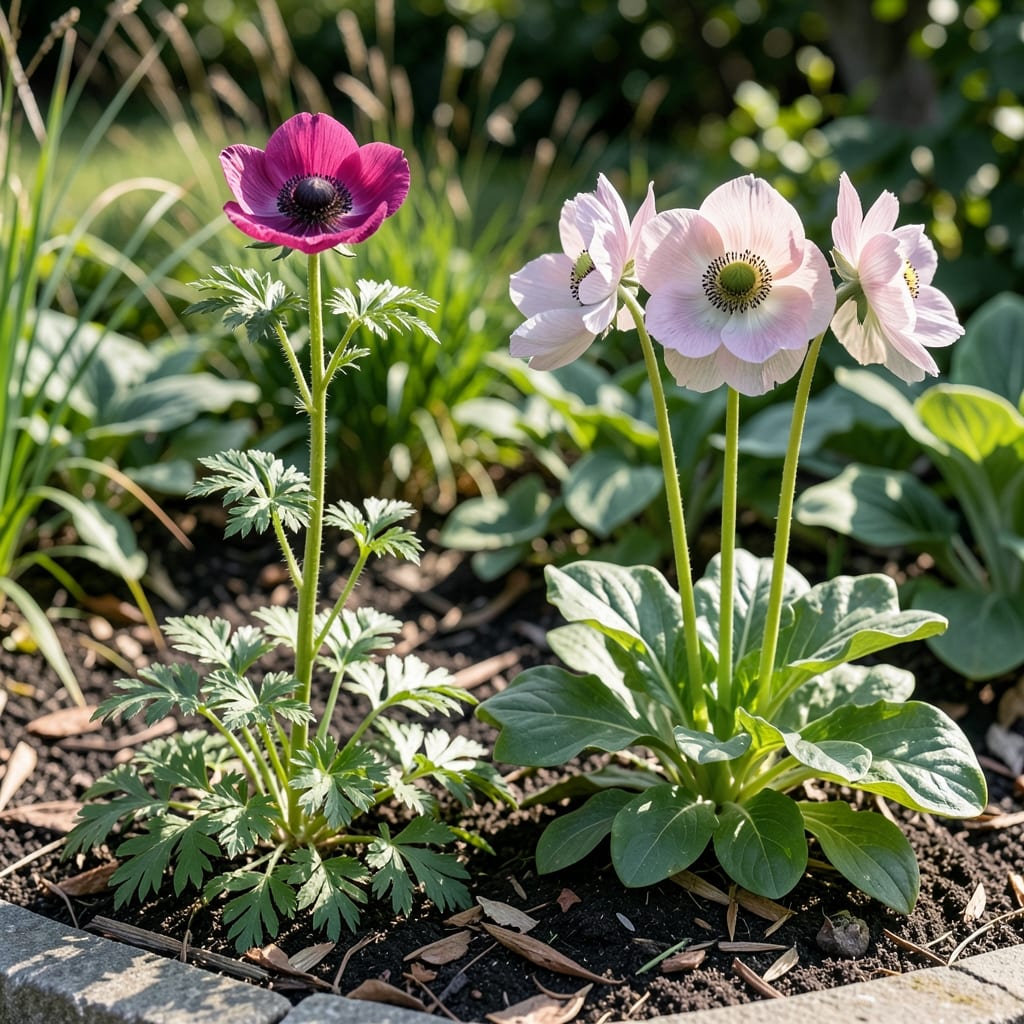
If you're planning your garden layout and wondering "how tall do anemone flowers grow", the answer might surprise you—these delicate 🌸 beauties can range from tiny border accents to towering statement pieces, depending on the variety. Some species stay compact at just 8-12 inches, perfect for edging pathways or container gardens, while others stretch up to 5 feet, making them ideal for dramatic backdrops.
The key to getting the height you want lies in choosing the right anemone type for your space. Whether you're dreaming of a woodland garden with Anemone japonica reaching 3 feet or a bright border with dwarf varieties under 1 foot, each species has its own growth habits that respond to sunlight, soil, and pruning. Let’s break down the height variations so you can pick the perfect fit for your garden design.
Beyond just height, understanding how these flowers grow helps you maximize their potential. Tall anemones may need staking to prevent flopping in windy conditions, while compact varieties thrive in tight spaces without crowding other plants. With the right care, you can coax your anemones to reach their full potential—or keep them neatly trimmed for a tidy look.
From woodland gardens to cut flower arrangements, anemones add texture and charm to any setting. Whether you're a seasoned gardener or just starting, knowing how tall they grow will help you place them where they’ll shine. Ready to discover which varieties will work best in your space?


Anemone flower height guide by variety: compact to towering types
Anemones come in a stunning array of heights, from delicate 8-inch woodland charmers to 5-foot garden giants. The variety you choose will determine whether your anemones become a border accent or a dramatic backdrop. Let’s explore the height ranges of popular types so you can select the perfect fit for your garden’s design.
For compact gardens or containers, dwarf varieties like Anemone nemorosa (wood anemone) stay between 6-12 inches tall, making them ideal for underplanting shrubs or edging pathways. Their delicate white or pink blooms add early spring color without overwhelming smaller spaces. Meanwhile, Anemone blanda reaches 8-12 inches and thrives in rock gardens or as a ground cover.
If you’re dreaming of bold statement plants, taller varieties like Anemone hupehensis and Anemone × hybrida (Japanese anemone) can soar to 3-5 feet. These varieties are perfect for back-of-border plantings or mixed perennial beds, where their late-season blooms provide height and texture. Their dark green foliage also adds year-round interest.
For mid-height solutions, Anemone coronaria (de Caen anemone) typically grows 12-24 inches tall, making it versatile for cut flower arrangements or cottage-style gardens. Its vibrant colors and long stems make it a favorite for bouquets, while its height works well in mixed borders with other perennials.
Here’s a quick reference for the most popular anemone varieties and their mature heights:
| Variety | Mature Height | Best For |
|---|---|---|
| Anemone nemorosa | 6-12" | Woodland gardens, borders |
| Anemone blanda | 8-12" | Rock gardens, containers |
| Anemone coronaria | 12-24" | Cut flowers, cottage gardens |
| Anemone hupehensis | 3-4 ft | Back borders, perennial beds |
| Anemone × hybrida | 3-5 ft | Dramatic backdrops, cut flowers |
| Anemone tomentosa | 18-24" | Shade gardens, woodland edges |
When selecting anemones for your garden, consider not just their height but also their spread. Some varieties, like Anemone hupehensis, can spread 2-3 feet wide, making them ideal for filling space in larger gardens. Others, like Anemone blanda, stay more compact, perfect for smaller areas or containers. Always check the specific variety’s growth habits to avoid overcrowding.
For container gardening, stick to dwarf varieties like Anemone nemorosa or Anemone blanda, which thrive in 10-12 inch pots with well-draining soil. Larger varieties will quickly outgrow containers and may become top-heavy, leading to flopping stems. If you love the look of taller anemones but lack space, consider training them as climbers on trellises or obelisks for a vertical display.
Pro tip: If you’re unsure about a variety’s height, check the seed packet or plant tag for mature size estimates. Many nurseries now include growth charts to help you visualize how the plant will look in your garden. For example, a 3-foot anemone planted near a 6-foot shrub will create a stunning layered effect, while a 1-foot variety will peek out beautifully from under taller perennials.
Ready to plan your anemone garden? Start by sketching your space and noting where you’d like height variation for visual interest. Whether you’re creating a whimsical cottage garden or a structured perennial border, anemones offer the perfect mix of delicate beauty and bold structure.
How Anemone height affects garden design: best uses by size
Anemone flowers aren’t just pretty—their height determines where they thrive in your garden. Tall varieties like Anemone hupehensis (reaching 3-5 feet) make stunning backdrop plants for borders or woodland gardens, while dwarf types such as Anemone blanda (just 6-12 inches) excel in rock gardens or container arrangements. Understanding these differences helps you place them strategically for maximum impact.
The right height matters for spacing too. For example, Anemone coronaria (18-24 inches) needs 12-18 inches between plants to avoid crowding, while Anemone japonica (3-4 feet) should have 2-3 feet of clearance to prevent flopping. Proper spacing ensures airflow, reduces disease risk, and lets each plant shine without competition.
Here’s how to use anemones by size for garden design success:
🌸 Anemone Height Guide for Garden Design
- 🌿 Dwarf varieties (6-12 in): Perfect for rock gardens, container edges, or pathway borders. Pair with heuchera or ajuga for contrast.
- 🌹 Medium-height (1-2 ft): Ideal for mid-border planting or cut flower arrangements. Combine with salvia or coresopsis for height variation.
- 🌳 Tall varieties (3-5 ft): Best as backdrop plants behind perennials like rudbeckia or black-eyed susans. Use in woodland gardens or near fences.
- 🪴 Container gardening: Choose dwarf or semi-dwarf types (under 2 ft) for pots. Mix with ferns or heuchera for texture.
- 🌸 Cut flowers: Tall varieties like Anemone hupehensis (3-5 ft) work best for long-stemmed bouquets. Harvest when buds are just opening for longer vase life.
For woodland gardens, tall anemones like Anemone nemorosa (1-2 feet) create a natural, airy feel when planted in drifts. Their delicate white or pink blooms contrast beautifully with hostas and ferns, mimicking a forest understory. In container gardens, stick to dwarf varieties to avoid overwhelming small spaces—think Anemone blanda spilling over edges with thyme or sedum.
Pro tip: If you love cut flowers, prioritize tall, sturdy varieties like Anemone × hybrida (2-3 feet). Their long stems hold up well in arrangements, and their late-season blooms (summer to fall) extend your floral displays. Just be sure to stake them early—their height makes them prone to flopping in wind or rain.
Don’t overlook seasonal timing when planning. Many anemones bloom late summer to fall, filling gaps when other perennials fade. Use tall varieties as focal points behind early bloomers like peonies or irises, then let them take center stage as the season progresses. With the right height and placement, anemones can transform your garden from ordinary to extraordinary.