
How To
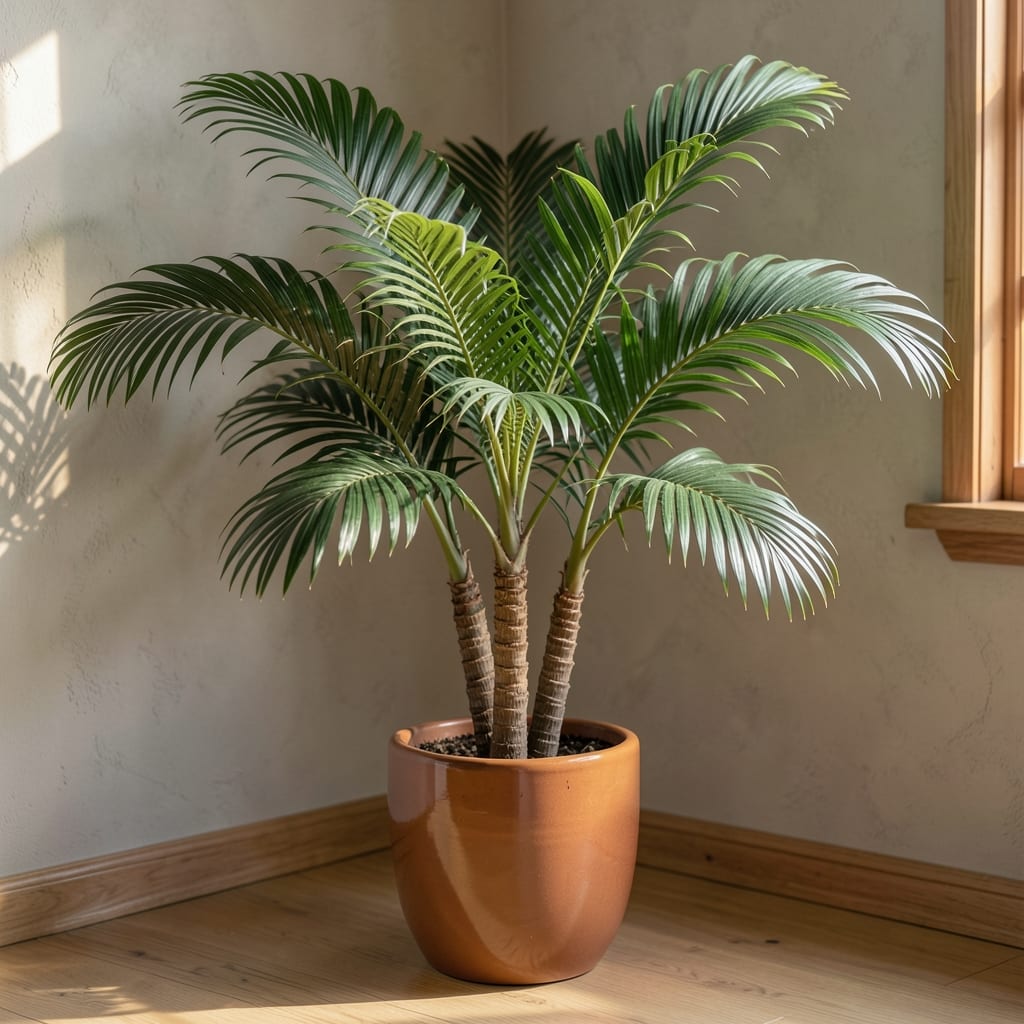
If you're wondering how tall do areca palms grow, the answer might surprise you—especially if you're working with limited space. These tropical beauties 🌴 can reach towering heights of 15-30 feet outdoors in ideal conditions, but indoors, they often stay more manageable at 6-10 feet with proper care.
What's even more interesting is how quickly they grow: a healthy areca palm can shoot up 1-2 feet per year, making them a fast addition to your home or garden. But don't worry—there are ways to control their height, whether you're dealing with a cozy apartment or a spacious patio.
In this guide, I’ll break down everything you need to know about areca palm growth, from their natural height range to practical tips for keeping them compact. You’ll learn which varieties stay shorter, how light and pruning affect their size, and even how to choose the perfect spot for your palm—no matter how small your space is.
Ready to bring a little tropical charm into your home without sacrificing floor space? Let’s dive in and explore how to keep your areca palm at just the right height for your lifestyle.


Areca palm growth height: what to expect over time
If you’re considering an areca palm for your home or garden, understanding its growth potential is key. These tropical beauties can reach impressive heights—15 to 30 feet outdoors—but their size indoors is far more manageable with the right care. Let’s break down what to expect at each stage of growth, so you can plan your space wisely.
The areca palm grows at a steady pace, typically adding 1 to 2 feet per year under ideal conditions. In their first year, you’ll see them reach 3 to 5 feet tall, making them perfect for small spaces early on. By year two, they’ll likely double in height, hitting 6 to 8 feet, which is where many indoor growers start to notice their space constraints.
Here’s the catch: without proper care, an areca palm can quickly outgrow its welcome. Outdoor palms in frost-free zones (USDA zones 10-12) will naturally reach their full 15 to 30-foot mature height over 5 to 10 years. Indoors, however, their growth can be controlled with container limitations and pruning techniques, keeping them between 6 and 10 feet tall for decades.
Light exposure plays a huge role in height. Bright indirect light fuels rapid growth, while low-light conditions slow it down—sometimes dramatically. If your palm isn’t getting enough light, it may grow taller but leggier, stretching toward light sources. This is a classic sign it’s time to adjust its placement or supplement with a grow light.
Humidity and soil quality also impact height. Areca palms thrive in high humidity (60% or higher), which encourages lush, compact growth. In dry indoor air, they may grow taller and sparser as they reach for moisture. Pair that with well-draining, slightly acidic soil (pH 5.5–6.5), and you’ll set your palm up for healthy, controlled growth.
Now, let’s talk about the biggest misconception: many assume all areca palms grow to the same height. In reality, there are dwarf varieties specifically bred to stay under 6 feet, making them ideal for apartments and small offices. Choosing the right variety can save you from future headaches—and potential ceiling collisions!
One of the most common questions I hear is, “Will my areca palm hit the ceiling?” The answer depends entirely on where you place it. A 6-foot ceiling is no match for a 10-foot-tall palm in just a few years. To avoid this, I recommend starting with a dwarf variety like Dypsis lutescens 'Marginata' or keeping your palm in a smaller container to restrict root growth and, consequently, height.
Pruning is another game-changer. While areca palms don’t respond well to top-heavy pruning (it can stress the plant), you can trim lower fronds to encourage bushier growth and prevent the palm from becoming too leggy. Just be sure to use sterilized pruners and avoid cutting more than 20% of the fronds at once to keep your palm healthy and compact.
If you’re still unsure about height, consider this: areca palms grow upward first before filling out. So, if you notice it shooting up quickly in the first few years, it’s a sign it needs better light or a larger container to encourage a fuller, more proportional shape. With the right care, you can enjoy a tropical statement piece without sacrificing your living space.
Ready to make an informed choice? The key is balancing
5 Space-saving techniques to control areca palm height
If you love the look of an areca palm but worry about it towering over your space, don’t fret! With the right techniques, you can keep your palm at a manageable height—even in small apartments. The key is understanding how to limit upward growth while encouraging a fuller, bushier shape. Here’s how I’ve successfully managed my own palms in tight spaces.
First, container size matters. Areca palms grow taller when their roots have room to expand. If you want to limit height, choose a pot that’s only slightly larger than the palm’s root ball—ideally, no more than 2-3 inches wider than the current pot. This restricts root growth, which in turn slows vertical expansion. Just ensure the pot has drainage holes to prevent waterlogging.
Next, prune strategically. While areca palms don’t respond well to heavy pruning, you can trim lower fronds to encourage bushier growth. Focus on removing yellow or brown fronds near the base, which redirects energy to new growth at the top. Avoid cutting more than 20% of the fronds at once, and always use sterilized pruners to prevent disease. This technique keeps your palm compact and lush instead of leggy.
- 🪴 Use small pots to restrict root growth and limit height.
- ✂️ Prune lower fronds to encourage bushier growth (never more than 20%).
- 🌱 Choose dwarf varieties like Dypsis lutescens 'Marginata' for built-in height control.
- ☀️ Place near east/west windows for bright indirect light without overheating.
- 💧 Mist leaves daily to maintain humidity and prevent leggy growth.
For the best results, select a dwarf variety from the start. Varieties like Dypsis lutescens 'Marginata' or Areca triandra are naturally shorter and bushier, staying under 6 feet tall even with minimal pruning. These types are perfect for apartment living or small offices, as they won’t outgrow their space quickly. If you already have a standard areca palm, repotting it into a smaller container can slow its growth significantly.
Light placement also plays a crucial role. Areca palms thrive in bright indirect light, but too little light causes them to stretch toward the sun, making them taller and thinner. Position your palm near an east or west-facing window to avoid harsh afternoon sun, which can scorch leaves. If natural light is limited, supplement with a grow light for 6-8 hours a day to keep growth balanced and compact.
Finally, maintain high humidity around your palm. Dry indoor air can stress the plant, leading to leggy growth as it reaches for moisture. Use a humidifier near the palm or mist the leaves daily with room-temperature water. This encourages denser foliage and slower vertical growth. With these techniques, you can enjoy a tropical vibe without sacrificing your living space.
Ready to put these tips into action? Start with a small pot and a dwarf variety, and watch your areca palm stay just the right size for your home.