
Size
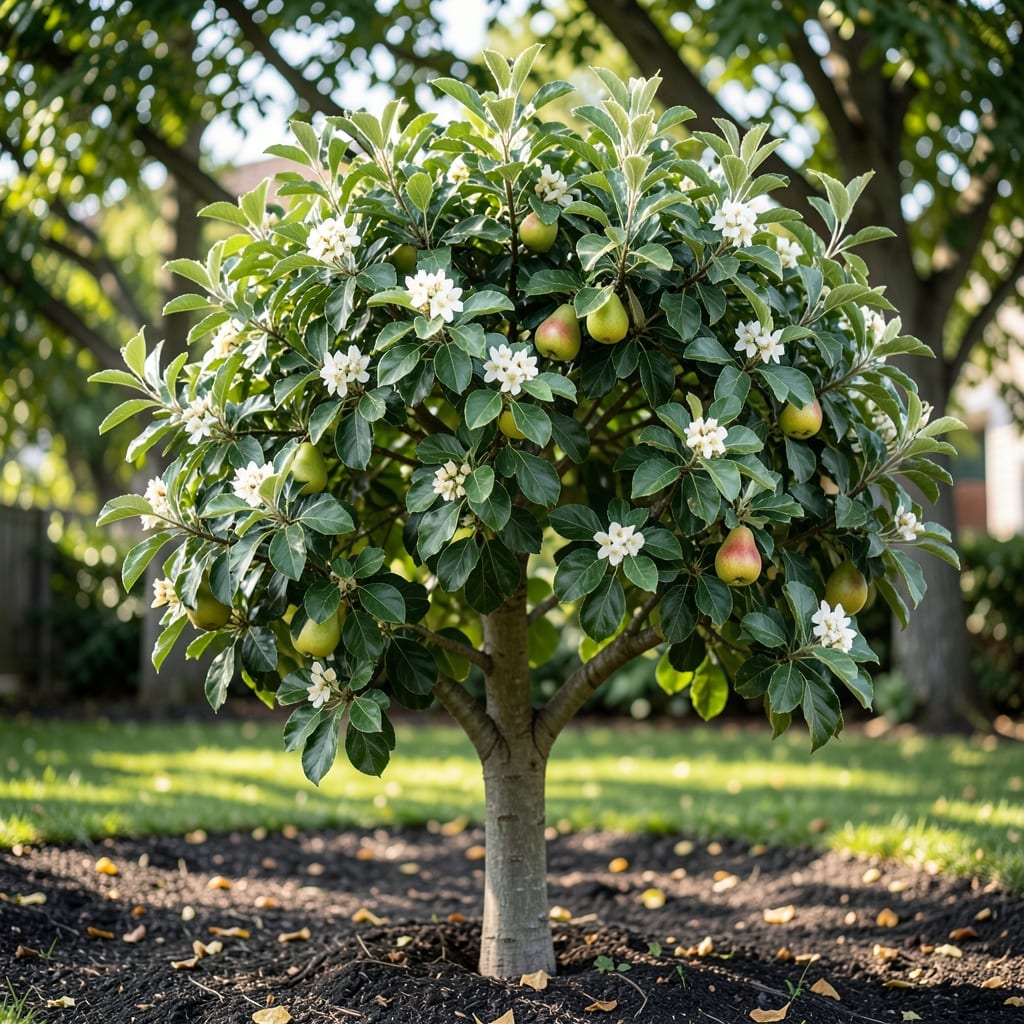
If you're wondering how tall do Asian pear trees grow, the answer might surprise you—these trees can range from compact 8-foot dwarfs to towering 30-foot giants, depending on the variety. Whether you're dreaming of a backyard orchard or a space-saving patio tree, choosing the right size is key to success.
Popular varieties like 'Chojuro' stay manageable at 6-8 feet, making them perfect for small gardens or containers, while 'Kosui' can stretch up to 15 feet if left unpruned. The good news? With the right pruning and training, even larger varieties can be kept in check.
If space is limited, you'll love learning about dwarf cultivars and creative growing techniques like espalier or container gardening. These methods let you enjoy fresh 🍐 Asian pears without sacrificing your yard's layout.
In this guide, I'll break down everything you need to know—from variety heights to space-saving strategies—so you can pick the perfect tree for your growing space. Let's get started!


Asian pear tree height guide: dwarf to standard varieties explained
When planning your orchard or small garden, knowing how tall Asian pear trees grow is essential. These trees come in a stunning range of sizes, from compact dwarfs perfect for containers to towering standards that need ample yard space. The variety you choose directly impacts not just your garden layout but also your harvesting experience.
For example, the Chojuro variety tops out at just 6-8 feet, making it ideal for urban gardens or patios, while Kosui can reach 12-15 feet if left unpruned. Even standard varieties like Niitaka average 20-30 feet—taller than most two-story homes!
Here's the key: dwarf and semi-dwarf varieties are bred to stay smaller, but even standard trees can be managed with proper pruning. Whether you're working with 8-foot containers or a 30-foot backyard, the right variety and care make all the difference.
| Variety | Mature Height | Growth Rate | Best For |
|---|---|---|---|
| Chojuro | 6-8 ft | Slow to moderate | Containers, small yards |
| Hosui | 8-12 ft | Moderate | Balconies, espalier |
| Kosui | 12-15 ft | Moderate to fast | Medium gardens |
| Niitaka | 20-30 ft | Fast | Large properties |
| Shinseiki | 15-20 ft | Moderate | Orchard settings |
🌱 Note: Heights can vary by climate and pruning practices
If you're growing Chojuro or Hosui, expect them to reach 60-70% of their mature height within just 3-4 years. These varieties are perfect for gardeners with limited space but still want a productive tree. Their compact size also means easier harvesting and less maintenance.
For those with more room, Kosui offers a balance—reaching 12-15 feet but still manageable with regular pruning. This variety produces large, sweet fruit and thrives in USDA zones 5-9, making it versatile for many climates.
Standard varieties like Niitaka and Shinseiki require more space but reward you with heavier fruit production. If you're planting these, consider their spread (15-20 feet) and plan accordingly. These trees are stunning in landscape designs but need room to grow.
One common misconception is that all Asian pear trees need full sun and deep soil. While this is true, dwarf varieties can adapt better to partial shade (4-6 hours of sun) if you're in a hotter climate. Just be prepared for slightly smaller fruit in less ideal conditions.
For container growing, stick to Chojuro or Hosui—their 8-12 foot mature height fits well in 20-30 gallon pots. Use a well-draining potting mix and repot every 2-3 years to accommodate root growth. Remember, container trees need more frequent watering than in-ground plants.
Whether you choose a compact dwarf or a tall standard, understanding these height differences helps you select the perfect tree for your space. Next, we'll explore space-saving techniques to maximize your growing area—no matter the variety you choose! 🌳
5 Space-saving growing techniques for Asian pear trees
If you love the idea of growing Asian pears but lack yard space, don't worry—there are clever ways to cultivate these trees without sacrificing your garden layout. The secret lies in training methods and container gardening, which can transform even the smallest patio into a productive pear orchard. Whether you're working with a 6-foot dwarf or a 15-foot semi-dwarf, these techniques help you maximize vertical space while keeping maintenance manageable.
One of the most popular methods is espalier training, where you prune and shape the tree to grow flat against a wall or fence. This technique reduces the tree's footprint by up to 70% while maintaining fruit production. Varieties like Hosui and Chojuro respond especially well to espalier, making them perfect for urban gardeners. The result? A beautiful, functional wall feature that yields delicious pears year after year.
For those without outdoor space, container gardening opens up endless possibilities. Dwarf varieties like Chojuro thrive in 20-30 gallon pots, allowing you to grow pears on balconies, rooftops, or even indoors near a sunny window. Just
🌱 5 Space-Saving Techniques
- 🪴 Espalier Training: Train branches flat against walls/fences to save 70% space. Best for Hosui and Chojuro.
- 🏺 Container Gardening: Use 20-30 gallon pots for dwarf varieties. Ideal for patios/balconies with full sun access.
- ✂️ Regular Pruning: Prune in late winter to control height and encourage fruit production. Remove 1/3 of new growth annually.
- 🌿 Companion Planting: Plant low-growing companions like strawberries or herbs beneath the tree to maximize ground space.
- 🌳 Pollination Planning: Plant two compatible varieties close together to ensure fruit set, even in small spaces.
💡 Pro Tip: Combine espalier with container growing for ultimate space efficiency!
Don't underestimate the power of pruning—it's one of the simplest ways to control tree height and shape. For Asian pear trees, the best time to prune is in late winter before new growth begins. Remove about 1/3 of the new growth each year to maintain a manageable size. This not only keeps your tree compact but also improves air circulation and fruit production. Just avoid heavy pruning in fall, as this can stimulate new growth that won't harden off before winter.
Another clever trick is companion planting. By adding low-growing plants like strawberries, herbs, or shallots beneath your pear tree, you make the most of every inch of space. These plants thrive in the dappled shade created by the tree's canopy while adding variety to your garden. Plus, they help suppress weeds naturally, reducing maintenance time. Just be sure to choose companions that won't compete with your pear tree for water or nutrients.
Finally, if you're growing multiple Asian pear trees, consider their pollination needs. Most varieties require a second tree for cross-pollination to produce fruit. In small spaces, plant two compatible varieties close together—even 3-5 feet apart works for dwarf varieties. This ensures a good harvest without taking up extra room. Popular pollination pairs include Chojuro + Hosui or Kosui + Niitaka. With these techniques, you can enjoy fresh Asian pears no matter how limited your space!