
How Tall Do Asparagus Plants Grow: Space-Saving Varieties for Small Gardens

Plants

How Tall Do Asparagus Plants Grow: Space-Saving Varieties for Small Gardens

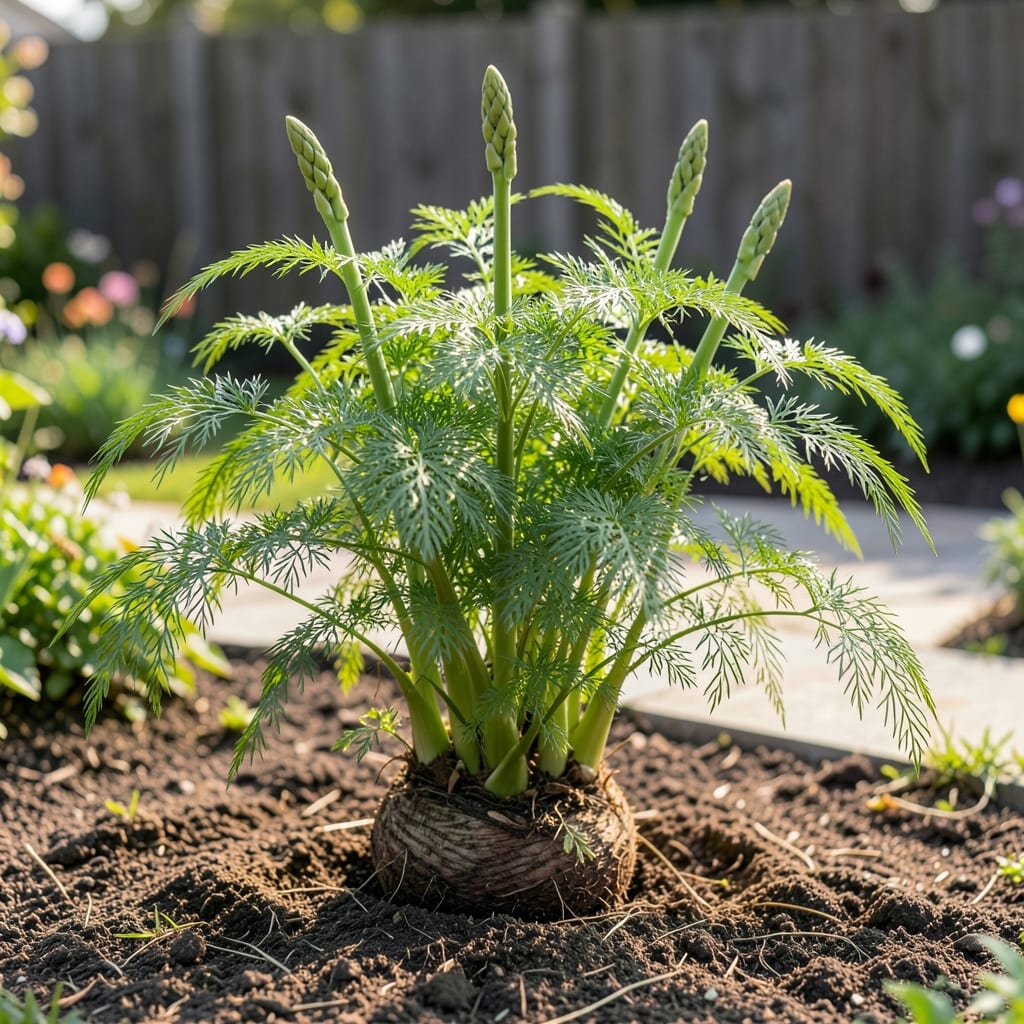
Wondering how tall do asparagus plants grow before they start dominating your garden? If you've ever hesitated to plant this perennial because of space concerns, you're not alone—these 🌱 asparagus stalks can reach heights of 3 to 5 feet at maturity, but the good news is that their growth habits are easier to manage than you might think.

While the fern-like foliage can tower above your head, the key to success lies in understanding the difference between spear height (where you harvest) and the overall plant structure. Most varieties stay within a 4-foot range, but with the right spacing and care, even small gardens can accommodate them without turning into a jungle.

What surprises many gardeners is how quickly asparagus establishes itself—year one focuses on root growth, but by year two, you'll see those signature spears popping up, ready to harvest. The trick is knowing which varieties play well in tight spaces and how to prune for optimal yield without sacrificing growth.

I'll walk you through everything from choosing compact varieties to creative space-saving techniques, so you can enjoy fresh asparagus without giving up your patio. Let’s get growing!

📈 Asparagus Growth Timeline
1-2 ft (foliage only)
Year 1
2-3 ft (first harvest possible)
Year 2
3-5 ft (full maturity)
Year 3
3-5 ft
Mature

Asparagus plant height guide: mature size by variety and growth habits

When planning your garden, understanding how tall do asparagus plants grow is key to maximizing space and yield. Most asparagus varieties reach a mature height of 3 to 5 feet, but their growth pattern is unique—what you see above ground is just the tip of the iceberg. The spears (the edible part) grow from underground rhizomes, while the fern-like foliage can shoot up dramatically after harvest. This two-phase growth means you’ll need to account for both the harvestable height (6-8 inches for spears) and the full foliage height (3-5 feet).

The first year after planting, asparagus focuses entirely on root development, so you’ll see minimal above-ground growth—just a few 1-2 foot foliage shoots. By year two, you’ll start harvesting spears at 6-8 inches tall, but the ferns will grow aggressively to their full height once spears are cut. This is why many gardeners use row covers or pruning to manage height and protect spears from damage.

Here’s the critical distinction: spear height (where you harvest) is only 6-8 inches, but the ferns can reach 4-5 feet by late summer. This means you can tuck asparagus into tight spaces if you’re strategic about pruning and variety selection. For example, 'Mary Washington', a classic variety, grows to 4 feet tall, while 'Purple Passion' stays slightly shorter at 3-4 feet. The key is spacing plants 12-18 inches apart to allow airflow and prevent disease while keeping the foliage from overwhelming your garden.

One common misconception is that asparagus needs a huge garden to thrive. In reality, their underground rhizome system spreads slowly, so you can control their footprint with careful planting. The foliage height is what often intimidates gardeners, but with the right techniques—like trellising or pruning—you can keep it in check. For instance, allowing the ferns to grow tall provides shade for the crowns in hot climates, but in small gardens, you might opt to cut them back early to save space.

Another factor influencing height is climate and soil quality. Asparagus grown in USDA Zones 3-10 will adapt its growth based on temperature and moisture. In cooler regions, plants may stay slightly shorter, while in hot, sunny climates, they can reach their full 5-foot potential. Well-draining soil with a pH of 6.5-7.5 also encourages healthier, more compact growth. If your soil is heavy or clay-like, amending it with compost or sand can prevent stunted growth and disease.

Let’s break down the height expectations by variety and growth stage to help you plan your garden layout. Whether you’re working with a backyard plot or a container garden, knowing these details will help you choose the right variety and manage space effectively.

Asparagus plant height guide: mature size by variety and growth habits

When planning your asparagus garden, understanding how tall asparagus plants grow is key to maximizing space and yield. Most varieties reach 3 to 5 feet tall at maturity, but their growth happens in two distinct phases: the spear stage (where you harvest) and the fern stage (the lush foliage that develops after harvesting). The spears themselves rarely exceed 12 to 18 inches when ready to pick, while the fern-like fronds can shoot up to 5 feet or more in ideal conditions.

The height of your asparagus plants depends heavily on the variety you choose and growing conditions. For example, 'Mary Washington', a classic green asparagus, typically grows 4 to 5 feet tall, while 'Purple Passion' stays slightly shorter at 3 to 4 feet. Even within the same variety, factors like sunlight, soil quality, and watering can influence how tall your plants become. In my own garden, I’ve noticed that asparagus in full sun with well-draining soil grows taller and more vigorously than those in partial shade.

Here’s a quick breakdown of what to expect year by year: In year one, your plants will focus on root development, with foliage reaching only 1 to 2 feet tall. By year two, you’ll start seeing spears, and the ferns may grow 2 to 3 feet tall. Once fully established in years three and beyond, your asparagus can hit its maximum height of 3 to 5 feet, with the ferns dominating the landscape after the harvest season. This is why many gardeners opt for compact varieties or use trellising to manage the height and keep the garden tidy.

Variety Mature Fern Height Spear Height Space Needs Best For
Mary Washington 4-5 ft 6-8 in 18 in apart Large gardens, fresh spears
Purple Passion 3-4 ft 6-8 in 12 in apart Small gardens, containers
Jersey Knight 4-5 ft 6-8 in 18 in apart Cold climates, disease resistance
Baby Girl 3-4 ft 4-6 in 12 in apart Containers, urban gardens
Green Mountain 4-5 ft 6-8 in 18 in apart Organic gardens, high yield
Variety Mature Height (Ferns) Spear Height at Harvest Space Needs (Per Plant)
Mary Washington 4-5 ft 6-12 in 12-18 in apart
Purple Passion 3-4 ft 6-10 in 12-15 in apart
Jersey Knight 4-5 ft 8-12 in 12-18 in apart
Baby Girl 3-4 ft 6-10 in 10-12 in apart (compact)

*Height includes fern foliage; spears are harvested before reaching full height.

One common misconception is that asparagus plants grow vertically like trees, but in reality, their crowns spread underground while the ferns grow upward. This means you can fit more plants in a smaller area if you’re strategic about spacing. For example, 'Baby Girl', a compact variety, is perfect for small gardens or containers, while 'Jersey Knight' is better suited for larger plots where height isn’t a concern. I’ve even seen gardeners use raised beds to grow multiple rows of asparagus vertically, saving horizontal space while still enjoying a bountiful harvest.

If you’re worried about asparagus taking over your garden, don’t be! With the right pruning techniques and seasonal care, you can keep the height in check. For instance, cutting back the ferns in late fall prevents them from becoming too woody and reduces the height by up to 30% the following year. Additionally, mulching around the base of the plants helps regulate growth and keeps the soil moist, which is crucial for maintaining healthy spear production without excessive foliage.

In my experience, the key to managing asparagus height lies in balancing harvest and maintenance. Over-harvesting spears can lead to weaker ferns, while neglecting to cut back the foliage can result in unruly growth. Aim to harvest spears for 4-6 weeks in early spring, then let the ferns grow freely until late summer before trimming them back. This approach ensures your asparagus stays productive and manageable while still providing that satisfying homegrown harvest every year.

★★★★★4.7(6 reviews)
Categories Plants