
Trees
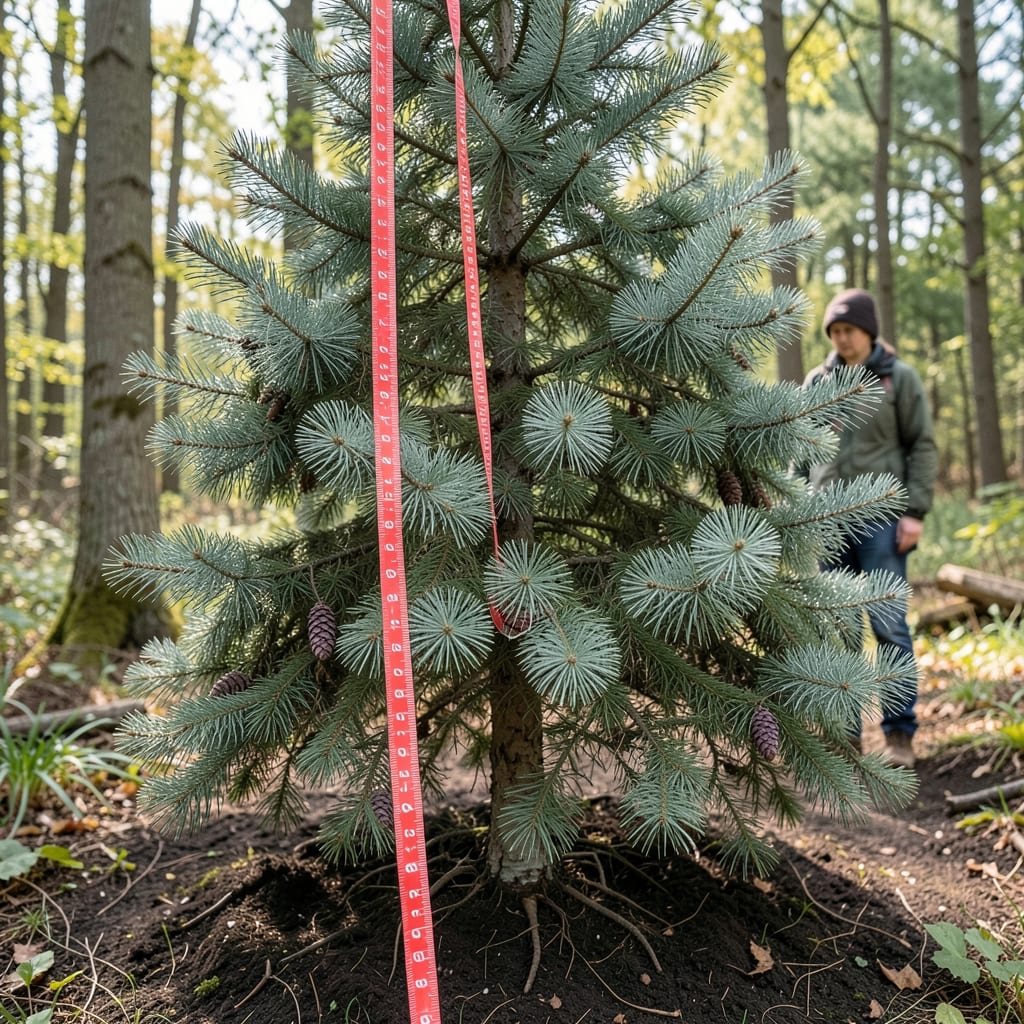
If you're wondering how tall do balsam fir trees grow, the answer might surprise you—these evergreen giants can reach heights of 40 to 60 feet at maturity, making them a stunning but space-demanding choice for your landscape. The Balsam Fir 🌲 isn't just a pretty face; it grows steadily at 1 to 2 feet per year, so planning ahead is key if you want one in your yard.
But before you rush to plant, there are some important factors to consider. Soil quality, sunlight exposure, and even your local climate play a huge role in how tall your Balsam Fir will grow. In cooler regions like USDA Zone 6a, these trees thrive with proper care, while hotter climates might slow their growth or affect their overall health.
If space is a concern, don't worry—there are ways to manage their height. While pruning isn't recommended for mature trees, choosing dwarf varieties or strategic planting can help you enjoy their beauty without sacrificing your yard. Let’s break down everything you need to know to make the most of this fragrant evergreen in your outdoor space.
Whether you're a seasoned gardener or just starting out, understanding the growth habits of Balsam Fir trees will help you create a landscape that’s both beautiful and practical. Ready to learn how to incorporate one into your plans? Let’s dive in!


Balsam fir mature height: exact growth measurements & space requirements
The balsam fir (Abies balsamea) is a majestic evergreen that can reach staggering heights—typically between 40 and 60 feet at maturity, though some specimens in ideal conditions may exceed 70 feet. This towering growth makes it a standout feature in forests and large landscapes, but its size demands careful planning for home gardens. Understanding these dimensions helps you avoid overcrowding and ensures your tree thrives without competing for space.
In its first year, a balsam fir grows slowly, reaching just 1 to 2 feet tall. By year three, it accelerates to 6 to 10 feet, and by year ten, it can surpass 20 feet. The fastest growth occurs between ages 15 and 30, with some varieties adding 12 to 24 inches annually during peak seasons. These growth rates highlight why spacing is critical—planting too close can stunt development or lead to root competition.
Soil quality and climate play pivotal roles in determining height. In well-draining, acidic soil with full sun to partial shade, balsam firs thrive and reach their maximum potential. Cooler climates (USDA zones 3 to 5) support faster vertical growth, while hotter regions may slow development. Poor soil or waterlogged conditions can reduce height by 20 to 30 percent, making soil prep a game-changer for your tree’s future stature.
Here’s a quick reference for mature height expectations based on growing conditions:
Spacing is non-negotiable for balsam firs. In urban or suburban settings, plant at least 10 to 12 feet from structures, driveways, or other trees to prevent root conflicts and allow airflow. For rural or forested areas, increase spacing to 15 to 20 feet to accommodate full growth. Ignoring these guidelines can lead to root damage, stunted growth, or even structural hazards if branches overhang roofs or power lines.
If you’re planting near a driveway or sidewalk, account for the tree’s 5 to 7-foot root zone. Compacted soil or pavement too close can choke roots, reducing height by up to 15 percent. Always amend soil with organic matter (like compost or peat moss) to encourage deep root penetration and robust vertical growth.
For gardeners with limited space, consider container-growing dwarf varieties. While standard balsam firs dominate landscapes, compact cultivars like 'Proko' or 'Nana' stay under 5 feet tall, making them perfect for patios or small yards. Just remember: even dwarf varieties need 3 to 5 feet of clearance for their root systems to spread comfortably.
One common misconception is that pruning can stunt a balsam fir’s height. While light pruning (removing dead branches) is safe, aggressive trimming can stress the tree and reduce its natural growth potential. Focus on natural shape and health maintenance rather than height control—unless you’re growing a dwarf variety, where selective pruning can encourage bushier growth.
To maximize your balsam fir’s height, prioritize well-draining soil, consistent moisture, and proper spacing. With these conditions met, your tree will reach its full majestic potential, becoming a fragrant, evergreen centerpiece for decades to come. 🌲
How to plan your landscape around a balsam fir tree
Planning your landscape around a balsam fir requires foresight, especially since these trees can reach 40 to 60 feet tall. Start by mapping your property to identify the best planting location—prioritize areas with 10 to 15 feet of overhead clearance for mature branches. Avoid planting near driveways, sidewalks, or power lines, as roots can crack pavement and branches may interfere with utilities over time.
For small yards or urban gardens, consider the tree’s 5 to 7-foot root zone. Compacted soil or underground structures within this radius can restrict root growth, reducing the tree’s height by up to 20 percent. Use organic mulch (like pine straw or wood chips) to protect roots and improve soil structure while keeping the base 3 inches away from the trunk to prevent rot.
Here’s a step-by-step guide to integrating a balsam fir into your landscape without sacrificing space or aesthetics:
Measure the distance from the planting site to roofs, power lines, or overhead structures. Aim for at least 15 feet of clearance for mature branches.
Mark a 5 to 7-foot radius around the planting area to avoid sidewalks, patios, or underground pipes. Use this space for ground covers or shrubs that thrive in partial shade.
Pair balsam firs with shade-tolerant perennials like hostas, ferns, or rhododendrons to create layered texture. Avoid competitive plants like maples or oaks, which can steal nutrients.
Use the tree’s height to your advantage by planting climbing vines or trellises nearby. This maximizes vertical gardening while keeping the ground area uncluttered.
For limited spaces, opt for 'Nana' or 'Proko' (3–5 ft tall). These stay compact but still offer the fragrance and evergreen appeal of standard balsam firs.
If you’re working with a small urban lot, focus on vertical landscaping. Plant the balsam fir near a fence or wall to save space while creating a natural privacy screen. Just ensure the structure is at least 10 feet away to avoid root damage. For larger properties, group multiple balsam firs 15 to 20 feet apart to mimic a natural forest edge, enhancing the visual impact.
Another smart strategy is to use the tree’s canopy as a focal point. Place it near a pathway or seating area where its fragrant needles can be enjoyed up close. Pair it with low-growing shrubs like boxwood or azaleas to create a multi-level garden design that highlights the tree’s height without overwhelming the space.
For rural or woodland settings, balsam firs thrive when planted in groups of 3 or more, creating a natural understory effect. Space them 15 to 20 feet apart to allow full growth while maintaining airflow. In these environments, the tree’s height becomes an asset, providing wildlife habitat and year-round greenery.
Remember, patience is key—a balsam fir’s height develops gradually. Monitor its growth annually and adjust companion plants as needed. With thoughtful planning, your balsam fir will become a stunning, low-maintenance centerpiece that enhances your landscape for decades. 🌲