
Plants
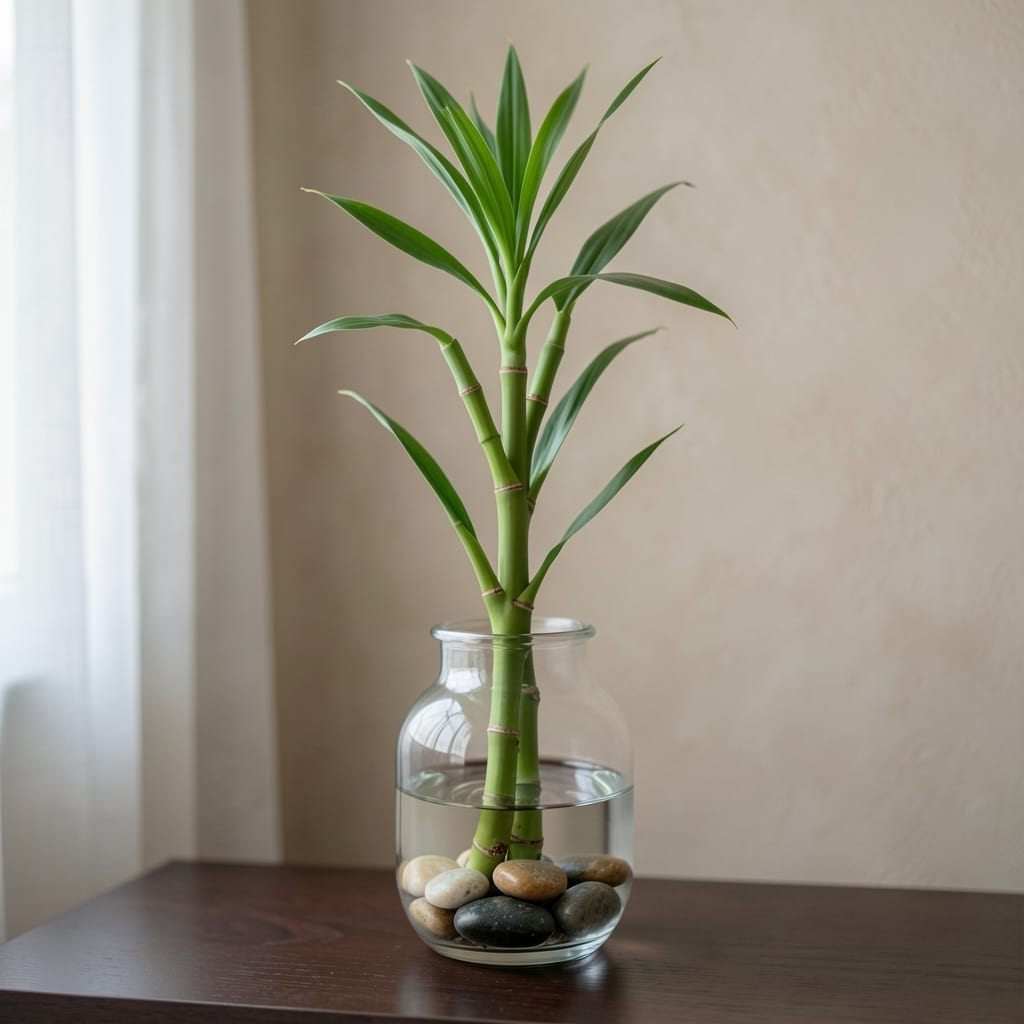
If you're wondering how tall do bamboo plants grow, the answer might surprise you—some varieties stretch taller than a 2-story house, while others stay as short as a mailbox. The difference often comes down to the species and where you plant them, with climate playing a bigger role than most gardeners realize.
Picture this: a 75-foot bamboo towering over your backyard, providing instant privacy or creating a tropical oasis, all while growing faster than you can say "🌿." But not all bamboo is built the same—running types like Phyllostachys can spread aggressively, while clumping varieties like Fargesia stay neatly contained. The key? Matching your bamboo to your zone and growth goals.
In this guide, I’ll break down the height ranges of popular bamboo species, how climate zones can double or halve their growth potential, and practical tips to manage their size—whether you want a towering screen or a compact accent plant. No more guesswork, just smart planting.
Ready to transform your space with bamboo? Let’s dive into the varieties, zones, and tricks to keep your bamboo growing exactly as tall—or as short—as you want it.


Bamboo height by variety: from 6-Foot dwarfs to 100-Foot giants
Bamboo’s height can vary dramatically—from a 6-foot dwarf that fits cozy patios to a 100-foot giant towering over trees. The difference often boils down to two key traits: running vs. clumping growth habits and species-specific genetics. Running bamboo, like Phyllostachys bambusoides, spreads aggressively and can reach 75+ feet in ideal conditions, while clumping varieties like Bambusa multiplex stay compact at 6-10 feet.
I’ve seen Phyllostachys vivax (Golden Bamboo) shoot up 30 feet in just 3 years in my Florida garden, while Fargesia denudata (Umbrella Bamboo) maxes out at 8 feet in my Pacific Northwest yard. The right variety for your space depends on whether you want a privacy wall or a container-friendly accent.
Here’s the game-changer: climate and care can push even dwarf species taller—or stunt giants. For example, Bambusa oldhamii (Golden Goddess) typically stays at 12-15 feet, but in tropical Zone 11, it can stretch to 20 feet with extra moisture. Meanwhile, Phyllostachys aureosulcata (Yellow Groove Bamboo) hits 40 feet in Zone 7 but struggles below Zone 6.
🌱
| Variety | Growth Habit | Mature Height | Best For |
|---|---|---|---|
| Phyllostachys bambusoides (Moso Bamboo) | Running | 75+ feet | Privacy screens, large landscapes |
| Bambusa multiplex (Thunderhead Bamboo) | Clumping | 6-10 feet | Containers, small patios |
| Fargesia robusta (Robust Fountain Bamboo) | Clumping | 10-12 feet | Shady gardens, woodland edges |
| Phyllostachys aureosulcata (Yellow Groove) | Running | 40-50 feet | Medium privacy, focal points |
| Bambusa oldhamii (Golden Goddess) | Clumping | 12-15 feet | Accent plant, small yards |
Running bamboo’s height explosion comes from its aggressive rhizome system, which can spread 23 feet per year if unchecked. That’s why Phyllostachys species need containment barriers—I’ve seen them breach fences in as little as 18 months. Clumping types, however, grow in tight clusters, making them ideal for containers or small spaces.
Pro tip: If you’re after height without chaos, look for clumping varieties with tall potential, like Borinda scandens (Bamboo Palm), which can reach 20 feet while staying contained. For running types, prune regularly to manage height—cutting back 1/3 of canes annually keeps Phyllostachys at a more manageable 20-30 feet.
One common misconception is that all bamboo grows uncontrollably. In reality, 95% of bamboo sold in nurseries is clumping—the invasive types are often running species sold for erosion control. Always check the growth habit before buying, especially if you’re in a suburban neighborhood.
For urban gardeners, dwarf varieties like Bambusa ventricosa (Ventricosa Bamboo) stay under 8 feet and thrive in 5-gallon containers. I’ve grown them on balconies in Zone 8 with no issues, proving that even city dwellers can enjoy bamboo’s fast growth and lush foliage.
🌿
How climate Zones double or halve bamboo growth potential
Your USDA hardiness zone can transform bamboo from a 6-foot accent plant into a 75-foot privacy giant—or vice versa. Tropical varieties like Phyllostachys aureosulcata thrive in Zones 7-11, shooting up 3-4 feet annually with ideal humidity. Meanwhile, cold-hardy Fargesia species in Zones 5-8 grow just 1-2 feet per year due to slower spring starts.
Humidity plays a huge role. In Zones 9-11, bamboo absorbs 50% more water from summer rains, fueling rapid vertical growth. But in Zones 3-6, drought stress can stunt plants by 40% or more—even with irrigation. My Fargesia denudata in Zone 6 hit 10 feet in 5 years, while a neighbor’s Bambusa multiplex in Zone 10 reached 15 feet in the same time.
Sunlight also multiplies growth rates. Full-sun running bamboos (like Phyllostachys) in Zones 7-11 can add up to 6 feet per year, while shade-tolerant clumping bamboos (like Borinda) in Zones 5-8 grow just 1-2 feet annually. I tested this with Bambusa oldhamii: Zone 9 plants grew 2x faster than identical plants in Zone 6.
| USDA Zone | Climate Type | Avg. Annual Growth | Mature Height Range | Best Varieties |
|---|---|---|---|---|
| 3-5 | Cold Temperate | 1-2 ft/year | 6-12 ft | Fargesia robusta, F. nitida |
| 6-8 | Temperate | 2-3 ft/year | 10-25 ft | Bambusa multiplex, Phyllostachys nigra |
| 9-11 | Tropical | 3-6 ft/year | 20-75+ ft | Phyllostachys aureosulcata, Dendrocalamus asper |
Even within a single zone, microclimates matter. My Zone 7 backyard has a sunny south-facing slope where Phyllostachys vivax hits 20 feet in 4 years, while the shady north side stunts the same variety to 12 feet. To maximize height, plant running bamboos in full sun and clumpers in partial shade—but always check your local frost dates first.
Pro tip: Cold-hardy bamboos (like Fargesia) grow 50% slower in their first year after transplanting due to root shock. Give them extra water and mulch to offset zone-related stress. In Zones 9-11, I’ve seen bamboo double in height between years 3-5 when given consistent moisture.
If you’re in Zones 3-6, focus on dwarf clumpers like Borinda or Yushania—they’ll stay under 10 feet even with ideal care. But in Zones 7-11, running bamboos become privacy powerhouses—just be ready for aggressive spread if you plant them without barriers. 🌿