
Trees
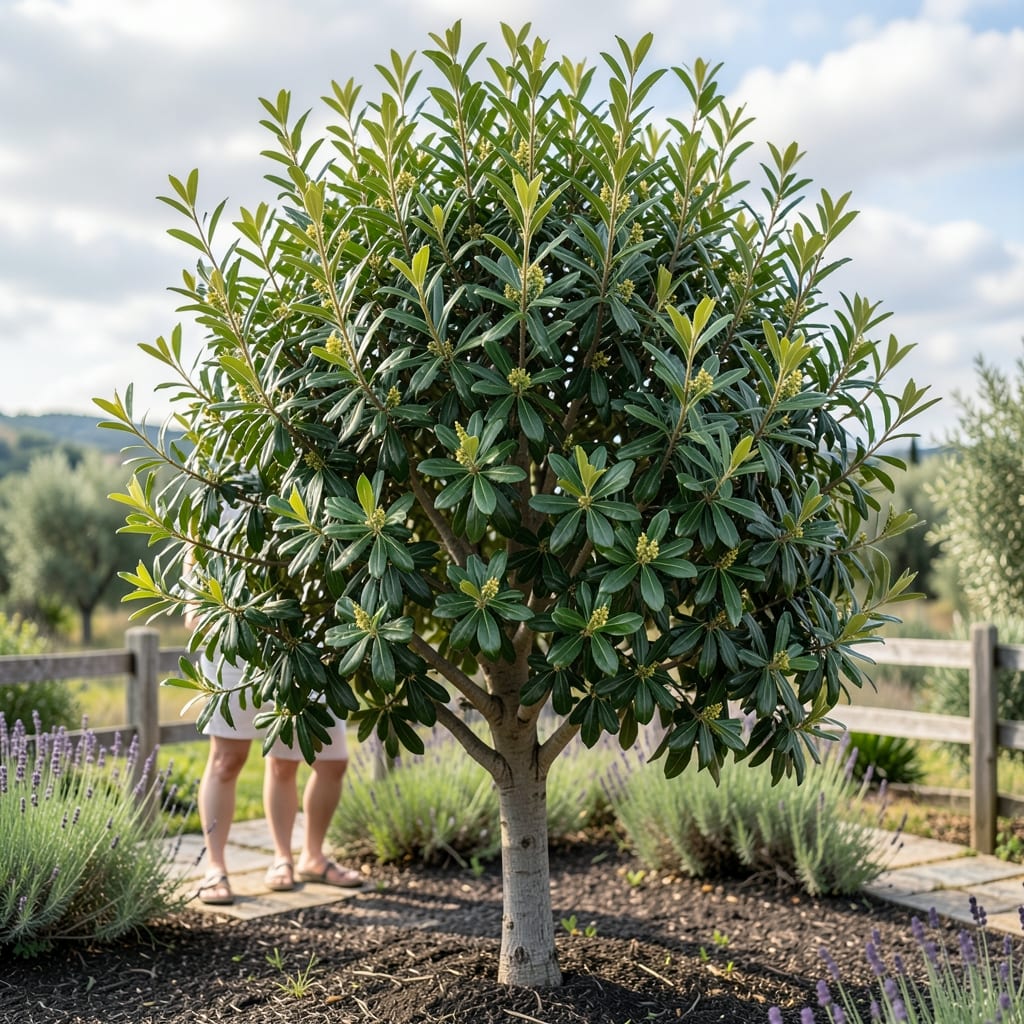
If you're dreaming of a fragrant bay tree 🌿 that fits perfectly in your kitchen or garden, you might be surprised to learn how tall bay trees grow can range from a modest 6 feet to a towering 40 feet—depending on the variety and how you care for it. This Mediterranean staple isn’t just about size; it’s about control, whether you’re growing it for its culinary leaves or as an ornamental centerpiece.
Most gardeners start with the classic Sweet Bay (Laurus nobilis), which typically reaches 10–20 feet in ideal conditions—think full sun and well-draining soil. But here’s the twist: with the right pruning techniques, you can keep it compact, even as a dwarf variety under 10 feet. The key lies in understanding how each cultivar grows and when to trim.
Whether you’re planning a lush kitchen garden or a manicured backyard, knowing how tall your bay tree will grow helps you make smarter decisions. From dwarf varieties perfect for containers to standard trees that thrive as privacy screens, we’ll break down the exact heights by type and share pro tips to shape your tree just the way you want it.
Ready to transform your bay tree from a wild shrub into a tailored addition to your space? Let’s dive into the specifics—because the right height starts with the right care.


Bay tree height by variety: from dwarf to giant sizes
Bay trees (Laurus nobilis) are incredibly versatile, with varieties ranging from dwarf shrubs perfect for windowsills to towering trees that outgrow most backyards. The Sweet Bay, the classic culinary variety, typically reaches 15-25 feet outdoors but can soar to 40 feet in ideal conditions. Your choice of variety—and how you care for it—will determine whether your bay tree stays compact or becomes a backyard giant.
For indoor growers, dwarf varieties like 'Undulata' or 'Angustifolia' are ideal, maxing out around 6-12 feet with proper pruning. These varieties thrive in containers, making them perfect for patios or kitchens. Meanwhile, outdoor varieties like the Tuscan Bay can reach 20-30 feet without intervention, requiring space and regular maintenance to control their height.
Here’s how different bay tree varieties compare in terms of mature height and growth habits:
If you’re growing bay trees for culinary use, the Sweet Bay is the gold standard, but its height can be a challenge in small spaces. The key to managing its size lies in pruning and container selection. For example, a 5-gallon pot will naturally stunt growth compared to planting directly in the ground, where roots can spread freely.
Bay trees grown in containers rarely exceed 6-8 feet because root restriction slows their growth. However, they’ll still need regular pruning to maintain shape and encourage bushier foliage. If you’re using bay leaves for cooking, this compact size is ideal—you’ll have easy access to fresh leaves without climbing a ladder!
For outdoor landscapes, taller varieties like the Tuscan Bay can create stunning privacy hedges or focal points. These trees thrive in well-draining soil with full sun exposure, which accelerates their growth. In USDA zones 7-10, they’ll grow aggressively, so plan for their mature size when planting. If you’re in a colder zone, expect slower growth and potentially shorter heights.
One common misconception is that all bay trees need full sun to reach their maximum height. While sunlight does fuel growth, partial shade can actually reduce height in some varieties, making them more manageable. For instance, the 'Undulata' variety, with its wavy leaves, grows more slowly in morning sun with afternoon shade
Bay trees (Laurus nobilis) are famously versatile, but their mature height can swing wildly depending on the variety. The classic Sweet Bay often grows 10–20 feet tall in ideal conditions, but some cultivars stay under 6 feet with proper care. Understanding these differences helps you choose the perfect fit for your space—whether it’s a kitchen herb garden or a privacy hedge. Most gardeners start with the Sweet Bay, which thrives in USDA Zones 7–10 and reaches 15–20 feet outdoors. However, its growth slows significantly in containers, where it typically stays between 6–10 feet. The key to controlling height lies in selecting the right cultivar and pruning strategically. Here’s a quick breakdown of popular bay tree varieties and their typical mature heights: If you’re growing bay trees for culinary use, the Sweet Bay and Undulata varieties are top picks—their aromatic leaves thrive even in smaller spaces. For privacy hedges, the Angustifolia variety is ideal, reaching 20+ feet with minimal pruning. Always plant in well-draining soil and full sun to encourage healthy, controlled growth. Pro tip: Container-grown bay trees never reach their full height—they’ll stay compact if you repot every 2–3 years and prune regularly. This makes them perfect for kitchen windowsills or balcony gardens. Ready to shape your bay tree’s growth? The next step is mastering pruning techniques—and we’ve got a foolproof guide to keep your tree at your desired height, whether that’s a 6-foot tabletop shrub or a 20-foot backyard giant.Bay tree height by variety: from dwarf to giant sizes
Variety
Mature Height (ft)
Growth Rate
Best For
Sweet Bay (Laurus nobilis)
10–20
Moderate (1–2 ft/year)
Outdoor gardens, hedges
Tuscan Bay (Laurus nobilis 'Tuscan')
6–12
Slow (6–12 in/year)
Containers, patios
Angustifolia (Laurus nobilis 'Angustifolia')
15–25
Fast (2+ ft/year)
Privacy screens, large gardens
Undulata (Laurus nobilis 'Undulata')
6–10
Slow (6 in/year)
Ornamental, small spaces
Aurea (Laurus nobilis 'Aurea')
10–15
Moderate (1 ft/year)
Golden foliage, hedges