
Size
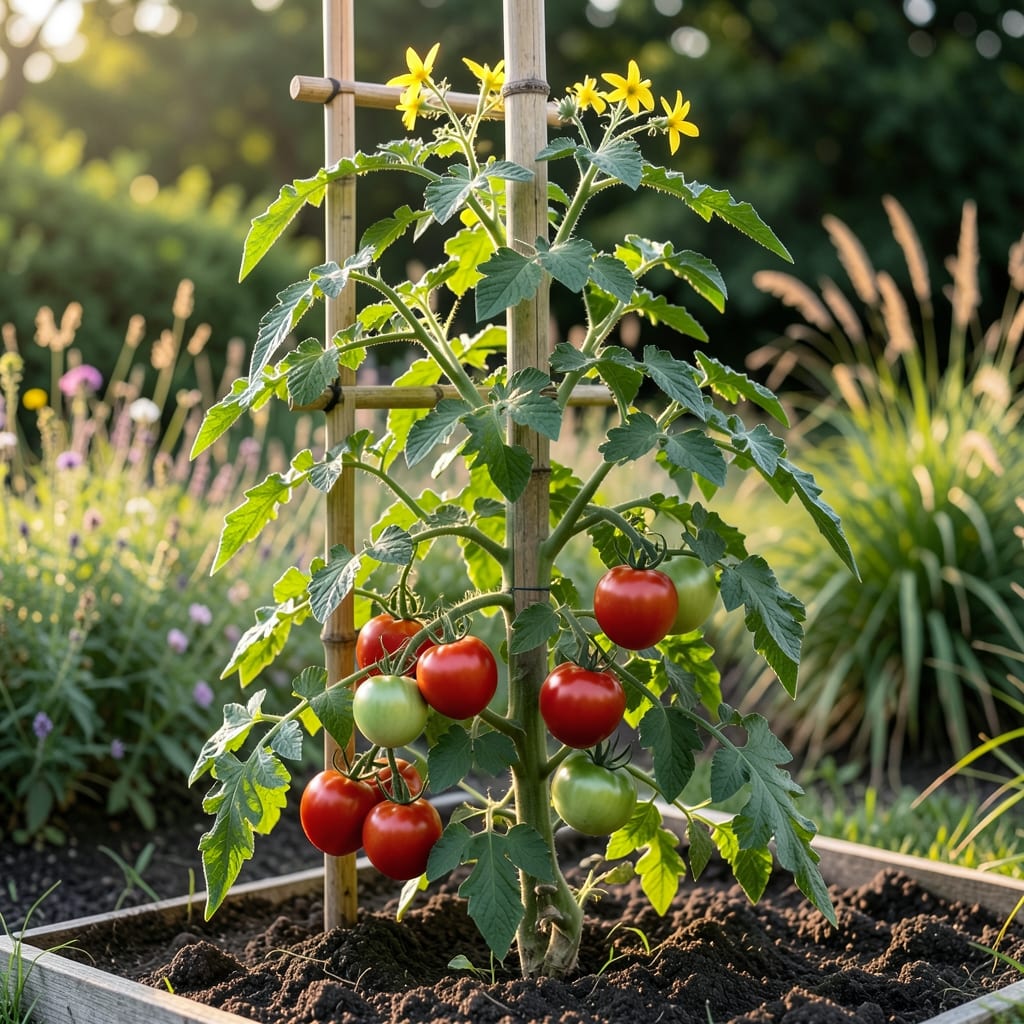
If you're wondering how tall beefsteak tomato plants grow, the answer might surprise you—these 🍅 powerhouses can easily reach 6 feet or more without proper care! Their towering vines need guidance to prevent sprawl and maximize fruit production.
For home gardeners in Zone 6a, managing their height is key to avoiding tangled plants and lost harvests. Whether you're planting in April or May, understanding their growth patterns helps you plan support systems early. The right approach turns these giants into productive, manageable plants.
In this guide, I'll break down exactly what to expect from different beefsteak varieties and how pruning and staking can keep them under control. You'll learn the secrets to growing healthier plants that produce more fruit with less stress.
From compact varieties to sky-high climbers, we'll cover everything you need to know to make your beefsteak tomatoes thrive—no matter how much space you have. Let's get started!

Beefsteak tomato height chart by variety: from compact to sky-high
Beefsteak tomatoes are legendary for their massive fruit size and vigorous growth, but their height varies dramatically by variety. Most beefsteak types are indeterminate, meaning they grow continuously until frost—often reaching 6 feet or taller without control. Understanding these differences helps you plan your garden layout and support systems.
For example, the classic 'Brandywine' variety can stretch 8 feet in ideal conditions, while 'Big Beef' stays more compact at 4-5 feet. These variations matter when choosing plants for containers, small spaces, or traditional garden beds. Let's explore the most popular beefsteak varieties and their typical mature heights.
Below is a quick reference for how different beefsteak tomatoes grow vertically, along with their space requirements and growth habits. This chart will help you pick the right variety for your garden's size and your pruning preferences.
| Variety | Growth Habit | Mature Height | Space Needs | Notes |
|---|---|---|---|---|
| Brandywine | Indeterminate | 6–8 ft | Trellis or cage | Classic pink beefsteak; needs strong support |
| Cherokee Purple | td style="padding: 8px; border-bottom: 1px solid #2E7D32;">Indeterminate5–7 ft | Trellis or stakes | Deep purple fruit; disease-resistant | |
| Big Beef | Indeterminate | 4–5 ft | Cage or stake | Compact for beefsteak; great for containers |
| Arkansas Traveler | Indeterminate | 5–6 ft | Trellis or cage | Heat-tolerant; prolific producer |
| Mountain Merit | Indeterminate | 4–5 ft | Cage or stake | Disease-resistant; early producer |
If you're growing beefsteak tomatoes in Zone 6a, plan for at least 5 feet of vertical space unless you're using dwarf varieties. Most beefsteaks thrive with 6-8 hours of sunlight daily, so place them in the sunniest spot in your garden. For container growing, choose 'Big Beef' or 'Mountain Merit', which stay under 5 feet when pruned.
Remember, these heights assume proper pruning and support. Without these, even compact varieties can grow taller and become unruly. In the next section, I'll show you exactly how to control their height using simple pruning techniques that keep your plants manageable and productive.
For now, use this chart as your starting point. If you're planting in April or May, mark your calendar for early pruning to guide their growth before they get too tall. The key to managing beefsteak tomatoes is early intervention—don't wait until they're already towering over your garden!
🌱
How pruning affects beefsteak tomato height: techniques for controlled growth
Pruning is the secret weapon for keeping beefsteak tomato plants at your desired height while boosting fruit production. Without pruning, these indeterminate varieties can grow uncontrollably tall, often reaching 8 feet or more. The good news? With the right techniques, you can reduce height by 30-50% while improving air circulation and disease resistance.
Start pruning when your plants hit 18-24 inches tall, typically 4-6 weeks after transplanting in Zone 6a. This early intervention prevents excessive vertical growth and directs energy toward fruit development. I recommend using sharp pruning shears or clean scissors to avoid damaging stems.
Here’s a step-by-step guide to pruning beefsteak tomatoes for controlled height, including when to prune and what to remove:
- Step 1: Remove suckers - These are the small shoots that grow in the leaf axils (where leaves meet the stem). Pinch them off when they're 1-2 inches long to prevent them from becoming new vines that add height.
- Step 2: Prune lower leaves - Remove leaves on the lower 12-18 inches of the plant to improve airflow and reduce disease risk. This also helps sunlight reach lower fruit.
- Step 3: Top the plant - When your plant reaches your desired height (e.g., 5 feet), cut the topmost growth just above a leaf. This stops vertical growth and encourages fruit production.
- Step 4: Train vines - Gently tie main stems to stakes or trellises as they grow. This prevents flopping and keeps the plant upright.
Pruning beefsteak tomatoes isn’t just about height control—it also improves fruit quality. By removing excessive foliage, you reduce shading and humidity around the fruit, which lowers the risk of blossom end rot and fungal diseases. I’ve seen pruned plants produce 20-30% more tomatoes than unpruned ones!
Timing is everything when it comes to pruning. Avoid pruning during hot afternoons or rainy days, as this can stress the plant. Instead, prune on cool mornings when the plant is hydrated. For beefsteak varieties like 'Brandywine' or 'Cherokee Purple', I recommend pruning every 1-2 weeks during the growing season to maintain control.
One common mistake gardeners make is over-pruning, which can reduce yield. Aim to keep 3-4 main stems on your plant and remove only excessive suckers. For container-growing varieties like 'Big Beef', you can be more aggressive with pruning to keep height under 4 feet. The goal is to balance height control with fruit production—never sacrifice one for the other.
🌿