
Plants
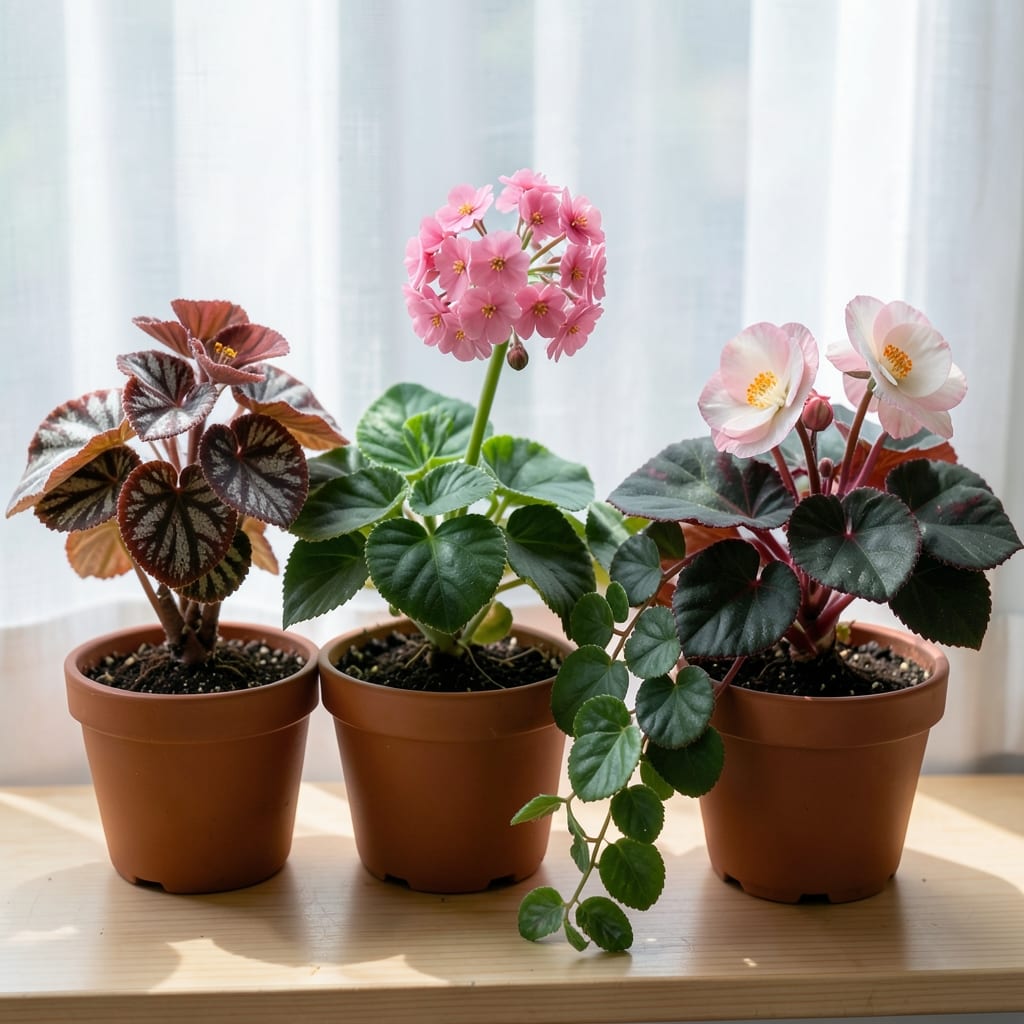
Wondering how tall do begonia plants grow before they take over your garden? The answer might surprise you—these stunning 🌸 beauties can range from tiny tabletop companions to dramatic, bushy shrubs that reach nearly 2 feet tall.
If you're planning your garden layout, knowing these height variations is key. Some begonias stay compact enough for windowsills or fairy gardens, while others thrive as bold focal points in hanging baskets or borders. The difference often comes down to variety and care.
Let’s break down the most common types and what to expect from each. Whether you’re working with tuberous begonias that grow upward or trailing varieties that spill over edges, understanding their mature size helps you choose the perfect fit for your space.
Ready to discover which begonias will complement your garden best? I’ll share the exact heights you can expect, plus tips to manage their growth—whether you want them shorter or fuller. Let’s get started!


Begonia height ranges by variety: from tiny to towering
Begonias are one of the most versatile plants in your garden, offering heights ranging from just 4 inches to over 6 feet, depending on the variety. The key to choosing the right begonia lies in understanding these height differences—whether you're working with a small windowsill garden or a lush tropical border. Let’s break down the most popular types and their mature sizes to help you visualize their potential.
First, it’s important to note that begonias are divided into three main growth categories: compact (under 12 inches), medium (12-24 inches), and tall (over 24 inches). Even within these categories, some varieties can double in height with ideal care, while others stay stubbornly small. For example, rex begonias typically max out at 12 inches, while angel wing begonias can stretch to 3 feet or more. Let’s explore these variations in detail.
🌱 Visual Tip: Use your hand as a quick reference—most compact begonias grow about the height of your palm, while tall varieties can reach waist height or taller. This simple trick helps when shopping for plants or planning garden beds.
| Variety | Height Range | Growth Habit | Best For |
|---|---|---|---|
| Rex Begonias | 6–12 inches | Clumping, bushy | Windowsills, terrariums, fairy gardens |
| Tuberous Begonias | 12–24 inches | Upright, flowering | Borders, hanging baskets, containers |
| Wax Begonias | 8–18 inches | Compact, rounded | Indoor displays, small gardens |
| Angel Wing Begonias | 24–36 inches | Tall, dramatic leaves | Backdrop plants, large containers |
| Cane Begonias | 3–6 feet | Wooden stems, trailing | Trellises, hanging baskets, tropical gardens |
| Trailing Begonias | 6–18 inches (spreads 2–3 feet) | Vining, cascading | Hanging planters, vertical gardens |
One of the most misunderstood aspects of begonia growth is how quickly they reach their mature height. For example, rex begonias may look tiny for months before their leaves fully unfurl, while cane begonias can add 12 inches in a single growing season if given the right conditions. Pay attention to the growth rate of the variety you choose—some begonias grow slowly but steadily, while others shoot up rapidly in warm weather.
If you’re planning a container garden, consider both the plant’s height and spread. A 12-inch-tall tuberous begonia might need a 10-inch-wide pot to accommodate its bushy growth, while a 6-foot cane begonia will require a large hanging basket or trellis. Always leave extra space for air circulation—crowded begonias are prone to fungal diseases like powdery mildew.
For indoor gardeners, rex and wax begonias are ideal because they thrive in small pots on sunny windowsills. Their compact size makes them perfect for office decor or kitchen gardens. On the other hand, angel wing begonias need more room to showcase their striking foliage, making them better suited for larger indoor spaces or greenhouses.
Light plays a critical role in begonia height. Most varieties grow taller and leggier when stretched toward weak light sources, while bright, indirect light promotes compact, bushier growth. If you notice your begonia reaching for the sky, it’s likely not getting enough light. Rotate your plant quarter-turns weekly to encourage even growth and prevent lopsided stems.
Begonia height ranges by variety: from tiny to towering
Begonias aren’t one-size-fits-all—some stay petite enough for windowsills while others reach heights that demand garden real estate. The variety you choose determines everything from your container size to garden bed spacing. For example, tuberous begonias typically top out at 12-18 inches, making them perfect for hanging baskets, while cane begonias can soar to 4-6 feet in ideal conditions. Even within the same type, leaf patterns and growth habits vary wildly!
Understanding these height ranges helps you avoid crowded containers or awkward garden gaps. Rex begonias usually max out at 12-18 inches, their striking foliage making them stars in mixed containers. Meanwhile, angel wing begonias often grow 18-24 inches tall, with trailing varieties stretching even longer when given support. The key is matching your space constraints with the right variety—whether you’re working with a sunny windowsill or a shady garden corner.
| Variety | Height Range | Best For | Notes |
|---|---|---|---|
| Tuberous Begonias | 12-18 inches | Hanging baskets, borders | Classic bloomers; needs bright light |
| Rex Begonias | 12-18 inches | Containers, indoor displays | Foliage-focused; prefers humidity |
| Wax Begonias | 12-24 inches | Borders, mass plantings | Heat-tolerant; glossy leaves |
| Angel Wing Begonias | 18-24 inches | Shady spots, indoor gardens | Unique winged leaves; slow grower |
| Cane Begonias | 4-6 feet | Tall borders, tropical backdrops | Needs support; thrives in warmth |
| Trailing Begonias | 12-36 inches (spread) | Hanging baskets, shelves | Vining habit; needs pruning |
If you’re working with limited vertical space, dwarf varieties like Begonia ‘Dragon Wings’ (8-12 inches) or Begonia ‘Mini Mix’ (6-10 inches) are game-changers. These stay compact without sacrificing color or texture. On the flip side, cane begonias like Begonia ‘Dragon Wing’ or Begonia ‘Angel Wing’ varieties can become architectural focal points when given enough room. Always check the tag or seed packet for mature height estimates—it’s the best shortcut to avoiding overcrowded containers!
Light exposure plays a surprising role in height control. Low-light conditions often result in leggier, taller growth as plants stretch toward light sources, while bright indirect light encourages bushier, more compact habits. For example, a tuberous begonia in a north-facing window might stay shorter than one basking in filtered morning sun. Pay attention to how your begonias respond to their environment—adjusting their placement can keep them within your desired height range.
Don’t forget that pruning and pinching can dramatically influence height. Regularly trimming back leggy stems encourages fuller, bushier growth, while allowing them to grow unchecked often leads to taller, less stable plants. For cane begonias, staking or providing a trellis isn’t just for aesthetics—it prevents flopping and keeps their height manageable in windy conditions. Think of pruning as your growth dial: turn it up for height or down for compactness.
Whether you’re aiming for a tiny terrarium or a towering tropical display, choosing the right begonia variety and understanding its growth potential is half the battle. Start with your space constraints, then pick a variety that fits like a glove—your garden (and your begonias) will thank you! 🌸