
Size
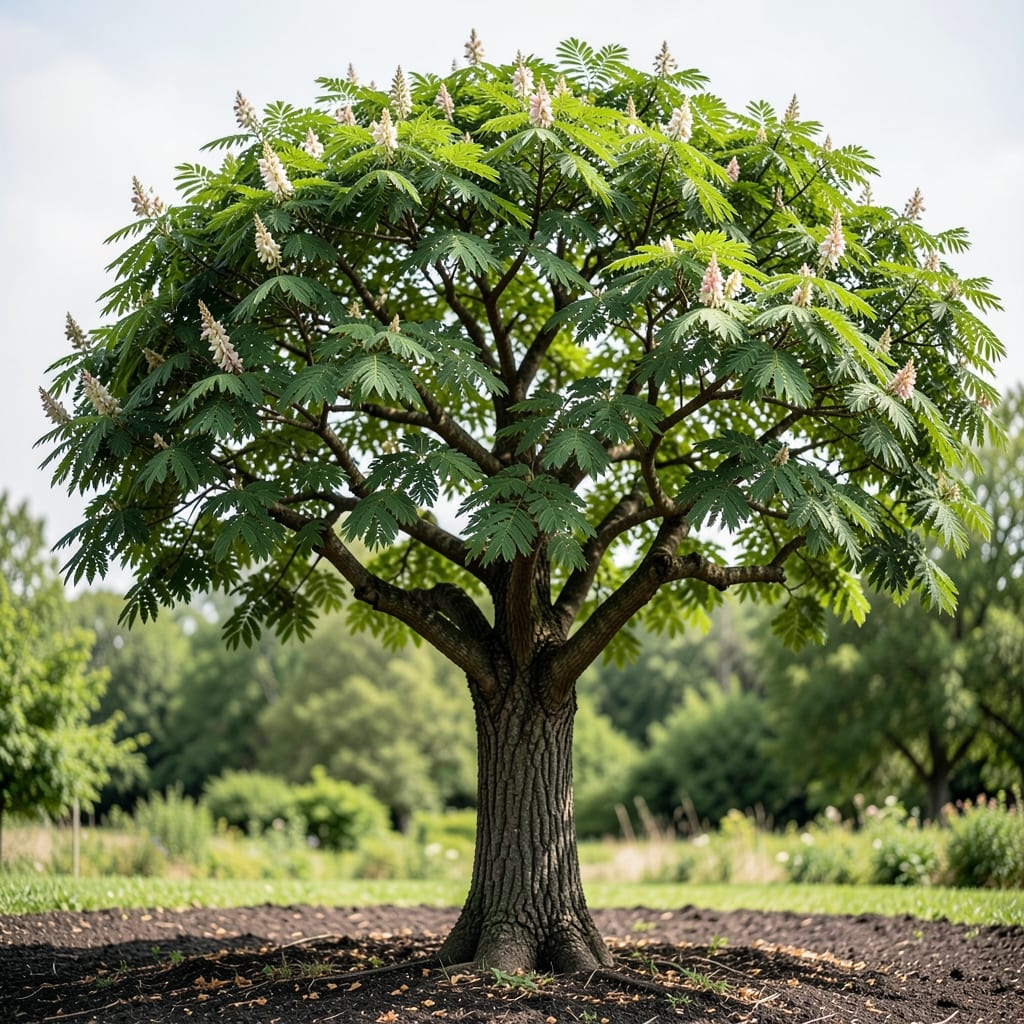
If you're dreaming of adding a Black Locust Tree 🌳 to your landscape, you might be surprised by how tall these fast-growing beauties can grow—think 60 to 80 feet at maturity! That’s taller than most two-story homes, so knowing their growth habits is key before planting.
What makes this tree so striking isn’t just its height, but how quickly it grows—especially in the right conditions. Young trees can shoot up 3 to 5 feet per year, making them a favorite for rapid shade or wildlife-friendly landscapes. But before you plant, let’s break down what affects their height and how you can manage it.
Whether you’re working with a small yard or a sprawling property, understanding these growth patterns helps you decide if a Black Locust Tree is the right fit. From spacing tips to pruning secrets, I’ll show you how to keep this powerhouse tree in check while still enjoying its stunning beauty.
Ready to learn how to harness this tree’s potential without losing control? Let’s dive into the details so you can plant with confidence—and maybe even save space for other plants along the way!

Black locust tree height: mature size and growth patterns explained
Black locust trees (Robinia pseudoacacia) are among the fastest-growing native trees in North America, but their impressive speed comes with a height commitment. On average, these trees reach 60 to 80 feet at maturity, with some specimens exceeding 100 feet in ideal conditions. Their towering stature makes them a stunning focal point for large properties, but their size requires careful planning for smaller gardens.
Understanding their growth patterns helps you decide if a black locust fits your landscape. These trees grow 3 to 5 feet per year in their youth, with growth rates slowing as they mature. Urban environments may limit their height due to space constraints and competition for nutrients, while rural settings allow them to reach their full potential.
Here’s a quick breakdown of what influences their height:
| Factor | Impact on Height | Notes |
|---|---|---|
| Soil Quality | High: +20-30% | Well-drained, fertile soil accelerates growth. |
| Sunlight | Full Sun: Max Height | Requires 6+ hours of direct sun daily. |
| Water Availability | Drought: Slower Growth | Young trees need consistent moisture; mature trees are drought-tolerant. |
| Pruning | Regular: Reduced Height | Prune in late winter to control size. |
| Location | Urban: Shorter | Competition for space and nutrients limits growth. |
In USDA Zones 6-9, black locust trees thrive, but their height can vary by region. For example, trees in the Southeastern U.S. often grow taller due to longer growing seasons, while those in cooler climates may stay shorter. If you’re planting near power lines or structures, account for their mature height to avoid future issues.
Another key factor is the tree’s spreading habit. Black locusts develop a round, dense canopy that can reach 40 to 50 feet wide at maturity. This wide spread means you’ll need ample horizontal space in addition to vertical clearance. For example, planting one near a 10-foot fence could lead to overcrowding as the tree matures.
If you’re unsure whether your property can accommodate a black locust, consider its comparative height. A mature black locust is roughly the height of a 3-story building (about 30 feet per story). This makes it unsuitable for small yards but ideal for large estates, parks, or wildlife corridors.
For gardeners with limited space, dwarf varieties aren’t available, but you can prune strategically to manage height. However, even with pruning, these trees will always have a bold presence. If you’re drawn to their beauty but concerned about size, consider planting them at the back of your property line or near a wooded area where their height won’t be as restrictive.
Black locusts also have a fast growth rate in their early years, which can be both an advantage and a challenge. While this means quicker shade and wildlife benefits, it also requires proactive planning to ensure the tree doesn’t outgrow its welcome. For instance, a 3-year-old tree can already reach 8 to 12 feet, so monitor its growth closely in the first few years.
Finally, consider the ecological benefits that come with their height. Black locusts provide excellent wildlife habitat, with their dense foliage offering shelter for birds and small mammals. Their height also makes them valuable for windbreaks and soil stabilization in larger landscapes. If you’re prioritizing biodiversity, the trade-off in space may be worth it.
Before planting, measure your space and research local tree ordinances, as some areas regulate large tree planting. With the right planning, a black locust can be a stunning, low-maintenance centerpiece for decades to come. 🌳
Black locust tree height: mature size and growth patterns explained
Black locust trees (Robinia pseudoacacia) are known for their impressive size, often reaching heights that rival other fast-growing giants like willows or poplars. On average, these trees mature between 60 and 80 feet tall, with some specimens exceeding 100 feet in ideal conditions. Their towering presence makes them a stunning addition to large landscapes, but their height also requires careful planning for smaller properties.
In the wild, black locusts thrive in open, sunny areas where they can stretch their branches unobstructed. Urban environments may limit their growth due to root competition and restricted space, often resulting in slightly shorter mature heights of 40 to 60 feet. However, even in cities, these trees can still grow rapidly, making them a dominant feature in any yard.
| Factor | Impact on Height |
|---|---|
| Sunlight | Full sun (6+ hours) = 80+ ft; partial shade = 40-60 ft |
| Soil Quality | Well-drained = rapid growth; clay/poor drainage = stunted |
| Location | Rural = 80+ ft; urban = 40-60 ft |
| Pruning | Regular pruning = controlled height; none = full potential |
One of the most striking aspects of black locust trees is their fast growth rate, especially in their first decade. Young trees can grow 2 to 3 feet per year when given optimal conditions, including full sunlight and nutrient-rich soil. This rapid growth means they can reach 30 to 40 feet tall within just 10 years, making them a quick solution for shade or privacy in larger properties.
Regional climate also plays a role in their height. In warmer southern states, black locusts often grow taller due to longer growing seasons, while in cooler northern regions, their growth may slow slightly, resulting in slightly shorter mature heights. However, they remain adaptable and can thrive in USDA zones 4 through 9, making them versatile for many gardeners.
Before planting, consider your property’s layout. A black locust’s mature height means it needs ample space—at least 40 feet of clearance from structures, power lines, and other trees. Their sprawling root systems also require room to expand, so avoid planting near foundations or sidewalks unless you’re prepared for potential damage over time.
For those with limited space, dwarf varieties or strategic pruning can help manage their height, though these trees are inherently large and best suited for expansive landscapes. Their ecological benefits—providing habitat for wildlife and improving soil health—often outweigh their size concerns for many gardeners.