
How To
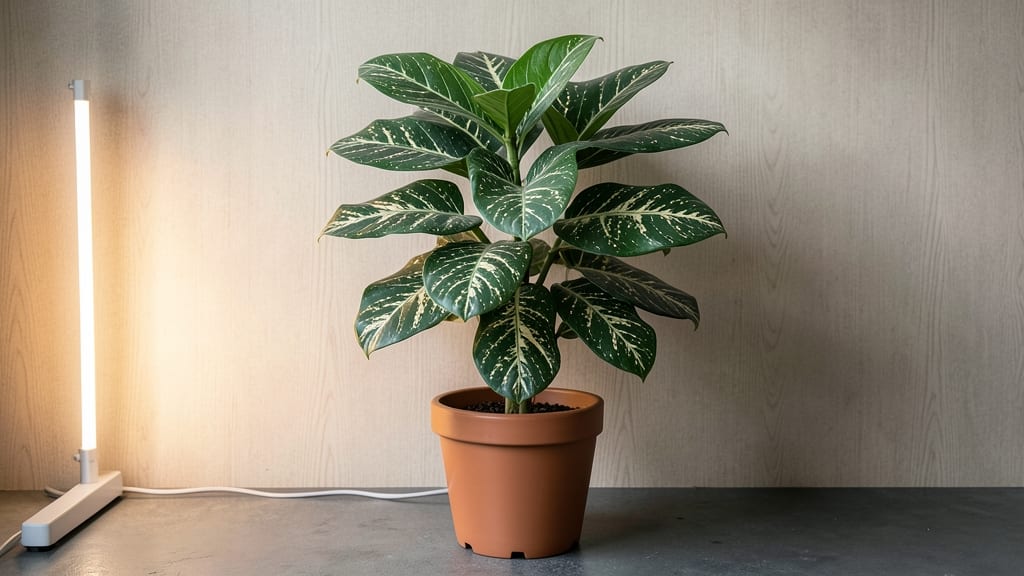
If you’ve ever wondered just how tall your Dieffenbachia 🌿 could grow—and whether it’ll soon become a ceiling-height statement piece—you’re not alone. This popular houseplant can reach surprising heights, but its growth depends on a few key factors you might not realize.
Most Dieffenbachias thrive indoors between 2 to 6 feet, though some varieties stretch even taller with the right care. Whether you’re dealing with a compact seguine or a bold maculata, understanding these limits helps you plan your space and keep your plant happy.
Light exposure, pot size, and pruning habits all play a role in controlling its height. I’ll break down the science behind Dieffenbachia growth—plus, how to encourage (or rein in) those towering stems without sacrificing its lush foliage.
Ready to turn your plant into a statement piece? Let’s explore how to manage its height while keeping it thriving for years to come.


Dieffenbachia height limits: how tall can they grow indoors?
If you’ve ever wondered whether your Dieffenbachia will soon become a 10-foot indoor giant, you’re not alone! This tropical beauty thrives indoors and can grow surprisingly tall—up to 6 feet or more—if given the right conditions.
However, most houseplant varieties stay between 2 and 6 feet, making them perfect for filling vertical spaces without overwhelming small rooms.
Your Dieffenbachia’s height depends on its variety, light exposure, and container size. Dwarf varieties like ‘Compacta’ max out at 2–3 feet, while standard types like ‘Bausei’ can stretch toward 6 feet or taller.
Understanding these factors helps you plan where to place your plant—and whether to prune it for a more manageable size.
🌿
Bright, indirect sunlight is the secret to encouraging your Dieffenbachia to reach its maximum height potential. Place it near an east- or west-facing window where it gets 4–6 hours of filtered light daily.
Too little light slows growth, while direct sun can scorch its leaves. If your plant starts stretching toward the light (a sign of etiolation), rotate it weekly to keep growth even.
Container size also plays a role. A tight pot forces the plant to grow upward, while a large container encourages bushier, wider growth. If you want a taller Dieffenbachia, choose a pot that’s only slightly larger than its root ball.
For a compact shape, opt for a wider pot and prune the top stem to promote side shoots.
Outdoor growers in USDA Zone 10 or warmer can expect even taller Dieffenbachias—up to 10 feet in ideal conditions. However, most gardeners keep them indoors year-round due to their tropical origins. If you’re growing yours outdoors, provide partial shade and protect it from cold drafts or frost.
Pruning is your best friend if your Dieffenbachia is growing too tall too fast. Simply snip off the top 6 inches of the stem just above a leaf node, and the plant will regrow from the sides, creating a fuller, bushier look.
You can even propagate the cuttings to grow new plants! This technique keeps your Dieffenbachia at a manageable height while giving you free plant babies.
Remember, patience is key with Dieffenbachias. They grow about 1–2 feet per year under ideal conditions, so don’t rush to prune unless you’re concerned about height. With the right care, your plant will thrive—and you’ll love watching it grow into a stunning indoor centerpiece.
🌱
Dieffenbachia height limits: how tall can they grow indoors?
Your Dieffenbachia can grow surprisingly tall indoors—some varieties even reach 6 feet or more with ideal care. This tropical plant thrives in warm, humid conditions, and its height depends on factors like light exposure, container size, and pruning habits.
Without proper care, it may grow leggy and top-heavy, risking instability. Understanding these limits helps you plan for vertical space and growth control.
Most Dieffenbachia varieties indoors typically hit 4–6 feet at maturity, but some dwarf types stay between 2–3 feet. The key difference lies in light conditions—low light slows growth, while bright indirect light fuels rapid vertical expansion.
If your plant stretches toward a window, it’s signaling a need for more light optimization or pruning adjustments.
| Variety | Indoor Height Range | Growth Rate | Care Tip |
|---|---|---|---|
| Dieffenbachia seguine | 2–4 feet | Moderate (1–2 ft/year) | Prune to encourage bushiness |
| Dieffenbachia maculata | 4–6 feet | Fast (2–3 ft/year) | Repot every 2 years for stability |
| Dwarf varieties (e.g., 'Compacta') | 2–3 feet | Slow (6–12 inches/year) | Use smaller pots to limit height |
Outdoor growth potential varies by climate—Dieffenbachia can reach 10 feet or taller in tropical zones (USDA zones 10–12) where frost isn’t a concern.
However, most gardeners grow them indoors due to their sensitivity to cold drafts and temperature drops below 60°F. If you’re considering outdoor placement, choose a sheltered spot with consistent humidity.
Container size plays a huge role in height control. Root-bound plants grow faster vertically because they compete for nutrients, leading to taller, thinner stems. To keep your Dieffenbachia compact and sturdy, repot into a container that’s only 2–3 inches larger in diameter than its current pot.
This encourages root spread over height, resulting in a bushier, more stable plant.
Light is the #1 factor in height regulation. Place your Dieffenbachia within 3–5 feet of an east or west-facing window for optimal bright indirect light. Avoid south-facing windows, which can scorch the leaves.
If your plant starts leaning toward the light, rotate it quarter-turns weekly to promote even growth. Poor light leads to etiolated (stretched) stems, while too much direct sun causes leaf burn.
With the right care, your Dieffenbachia can become a stunning vertical focal point—just be prepared for its ambitious growth! Monitor its height regularly and adjust light, pruning, and container size to keep it at your desired size. 🌿