
How To
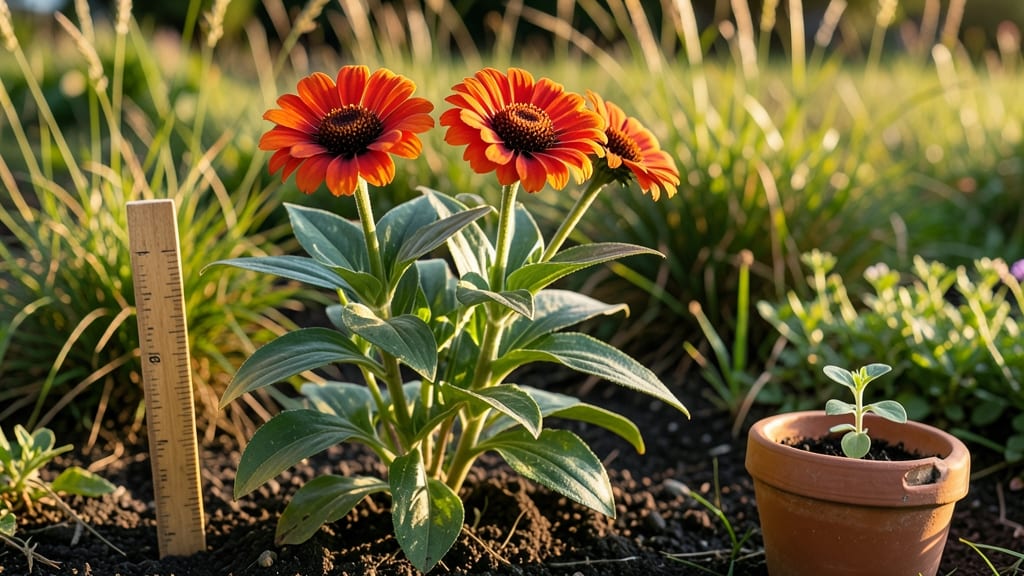
If you're dreaming of a garden bursting with color but short on space, how tall do Lilliput zinnias grow? 🌼 These tiny powerhouses reach only 8–12 inches tall, making them perfect for containers, window boxes, or tight borders where bigger blooms would overcrowd.
What makes them even more appealing is their compact, dwarf variety nature, which means you can pack more plants into smaller areas without sacrificing vibrancy. Whether you're a balcony gardener or working with limited yard space, these zinnias deliver big blooms in a small footprint.
But before you plant, knowing their mature height helps you plan spacing and companion plants for a thriving garden. I’ll break down exactly how tall they grow, when to expect those cheerful blooms, and how to keep them looking their best all season long.
From sunlight needs to container tips, you’ll discover how to create a stunning display—no matter how little room you have. Let’s get your small-space garden blooming beautifully!


Lilliput zinnias height guide: how tall they grow and when to expect blooms
Lilliput zinnias are the perfect choice for gardeners with limited space, offering vibrant blooms without the height of traditional varieties. These dwarf zinnias typically reach 8–12 inches tall at maturity, making them ideal for containers, window boxes, or tight borders. Their compact size also means they won’t overwhelm smaller gardens or balconies, while still delivering bold colors that brighten any space.
When planning your garden layout, knowing their mature height helps you space them correctly. Unlike taller zinnias that can grow 3–4 feet, Lilliput varieties stay low to the ground, creating a dense, bushy appearance.
This makes them perfect for ground covers or mass plantings where you want a continuous sea of color without vertical sprawl.
Growth stages are another key factor. Lilliput zinnias start as tiny seedlings and grow rapidly once planted in well-draining soil with full sun exposure. Within 45–60 days of planting, you’ll see the first buds forming, followed by full blooms in 6–8 weeks. Their fast growth rate means you can enjoy continuous flowering from late spring to fall with proper care.
Here’s a quick breakdown of their height progression:
The sunlight requirements play a huge role in their height and bushiness. Lilliput zinnias thrive in full sun (6+ hours daily), which encourages compact, sturdy growth. If they receive less than 4 hours of sun, they may grow leggy and sparse, with fewer blooms.
For container gardening, place them in a south-facing spot or use a sunlight reflector to maximize exposure.
Soil conditions also impact their height. These zinnias prefer well-draining, slightly sandy soil with a pH of 6.0–7.0. Heavy clay or waterlogged soil can stunt their growth, leading to shorter stems and fewer blooms. Amending your soil with compost or perlite ensures they stay healthy and compact, just as the breeders intended.
When planning your planting schedule, aim to sow seeds 4–6 weeks before your last frost date. In most USDA Zones 6–10, this means planting in early spring (March–April) for summer blooms.
You can also sow a second crop in late summer for fall color. Their fast germination (7–14 days) means you’ll see quick results, making them a great choice for beginner gardeners.
For container gardening, choose pots that are at least 6–8 inches deep to accommodate their root system. A 5-gallon container can comfortably hold 3–5 plants, while hanging baskets work well for trailing varieties.
Just ensure the container has drainage holes to prevent root rot, which can stunt growth and lead to yellowing leaves.
If you’re using Lilliput zinnias in border plantings, space them 6–12 inches apart to allow for air circulation and prevent disease spread. Pair them with low-growing companions like sweet alyssum or calibrachoa to create a lush, colorful edge.
Their compact size makes them perfect for rock gardens or fairy gardens, where every inch counts.
To keep your Lilliput zinnias bushy and blooming, deadhead spent flowers regularly. This simple task encourages more blooms and prevents the plant from putting energy into seed production, which can shorten the flowering season.
With proper care, you’ll enjoy continuous color from late spring until frost, making them one of the most reliable and rewarding dwarf zinnias for small spaces.
Lilliput zinnias height guide: how tall they grow and when to expect blooms
Lilliput zinnias are the perfect compact choice for small gardens, containers, or window boxes. Their mature height typically ranges from 8 to 12 inches, making them ideal for tight spaces while still delivering vibrant, show-stopping blooms.
Unlike their taller cousins, these dwarf varieties stay neatly contained, perfect for borders or even hanging baskets.
When planted in optimal conditions, you can expect to see first blooms in 60 days from seed. This quick turnaround makes them a favorite for season-long color, especially when deadheaded regularly. Their compact growth habit also means they’re less prone to wind damage or flopping in less-than-ideal weather.
| Growth Stage | Height Range | Bloom Timeline |
|---|---|---|
| Seedling | 1–3 inches | 2–3 weeks |
| Vegetative | 4–8 inches | 4–6 weeks |
| Mature | 8–12 inches | 60–75 days |
| Peak Bloom | 8–12 inches | June–October |
For maximum height control, plant Lilliput zinnias in well-draining soil with 6+ hours of sunlight daily. Overcrowding or poor soil can lead to leggy growth or reduced blooms, so aim for 6–12 inches of spacing between plants.
In containers, use pots at least 6 inches deep to accommodate their root systems.
If you’re growing these in cooler climates, expect slightly slower growth—3–4 inches shorter—compared to their sun-drenched counterparts. However, they’ll still thrive as long as they receive at least 4–5 hours of sunlight.
Their compact size also makes them ideal for pollinator gardens, as bees and butterflies adore their bright, nectar-rich blooms.
To encourage bushier growth and more blooms, pinch back the tips of young plants when they reach 4–6 inches tall. This simple step promotes lateral branching, resulting in a fuller, more compact plant.
With proper care, your Lilliput zinnias will reward you with continuous blooms from summer through fall.
Remember, their dwarf stature is one of their biggest assets—perfect for window boxes, fairy gardens, or even as edging plants. Just ensure they’re not shaded by taller neighbors, as this can stunt their growth and reduce flower production.
With the right conditions, these tiny powerhouses will outshine larger varieties in every way.