
Trees
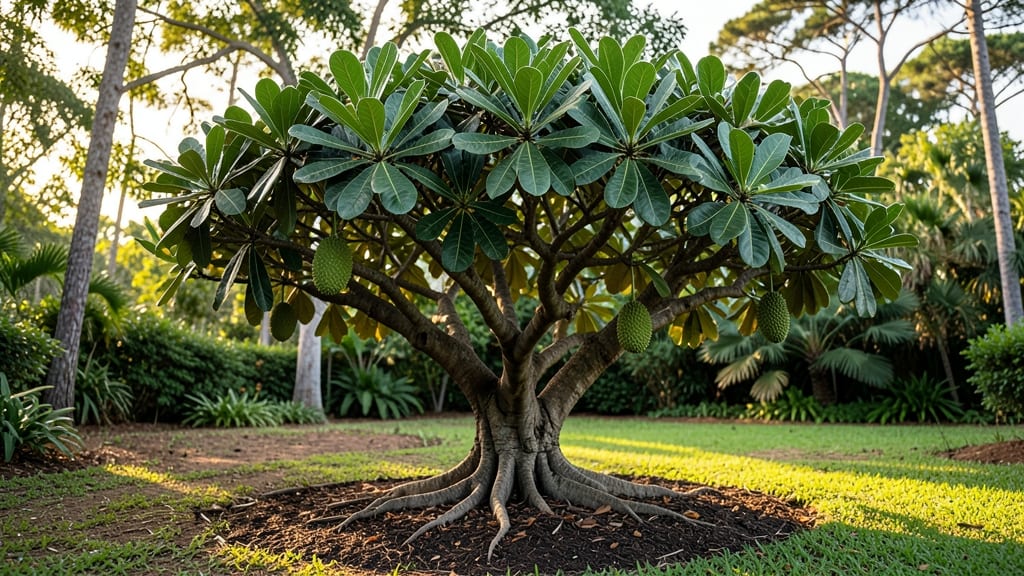
If you're wondering how tall a soursop tree can grow, the answer might surprise you—this tropical giant 🌴 can reach heights between 20 to 60 feet under ideal conditions, making it a true backyard statement piece.
Whether you're dreaming of a lush, fruiting canopy or simply curious about its growth potential, understanding these dimensions is key to planning your garden layout.
Native to General (Tropical/Subtropical Regions) like USDA Zones 10-12, soursop trees thrive in warm climates where they can spread their broad branches and tower above other plants.
The key to their impressive height lies in their fast growth rate—young trees can add 6 to 10 feet in just a few years, so proper spacing and pruning become essential for smaller gardens.
But here’s the catch: without careful management, these trees can quickly outgrow their welcome, especially in residential areas. That’s why I’ll share how to control their height while still enjoying their delicious fruit—because even a game-changer like this needs a little guidance to fit your space perfectly.
Ready to learn how to harness this tropical powerhouse’s potential? Let’s dive into the factors that influence its height and how you can shape it to suit your needs.


Soursop tree height by variety: from dwarf to giant sizes
When you plant a soursop tree (Annona muricata), you’re welcoming a tropical giant into your garden. On average, these trees reach 20 to 60 feet tall at maturity, making them taller than most backyard homes.
However, their height varies significantly based on the variety, growing conditions, and your climate zone.
The standard soursop tree is the most common type and typically grows between 30 to 50 feet in ideal tropical conditions. In subtropical zones, they may max out around 25 to 35 feet due to slower growth.
If you’re in a cooler microclimate, expect a more compact tree—closer to 15 to 20 feet—though fruit production may suffer.
There are no widely available dwarf soursop varieties, but some hybrid selections or grafted trees can stay under 10 to 15 feet if pruned aggressively. These are rare and often grown for ornamental purposes rather than fruit.
For most gardeners, the standard variety is the go-to choice, but its towering height means careful planning is essential.
If you’re growing a soursop tree for fruit, the standard variety is your best bet—it produces the largest, most flavorful soursops. However, its rapid growth means you’ll need to account for overhanging branches and potential shade cast on nearby plants.
In the first 3 years, expect height gains of 6 to 12 feet per year, which slows to 2 to 4 feet annually as the tree matures.
For gardeners in USDA Zones 10–12, soursop trees thrive with minimal height restrictions. But in Zone 9, where winters dip below 30°F, trees may struggle to exceed 20 feet without protection. In these areas, planting near a south-facing wall or using windbreaks can help maximize growth potential.
One surprising fact about soursop trees is their canopy spread, which often matches their height. A 30-foot-tall tree might have a 25-foot-wide spread, so spacing is critical.
If you’re planting multiple trees, leave at least 20 feet between them to prevent root competition and ensure adequate airflow—both key for disease prevention.
If you’re considering a soursop tree for a small backyard, focus on pruning techniques rather than variety selection. Regular pruning can reduce height by up to 30% while maintaining fruit production.
Just be prepared to invest time in shaping the tree annually, as soursops respond well to structural pruning but may regrow quickly if cuts are too aggressive.
For those in cooler climates, consider starting your soursop tree in a large container (at least 24-inch diameter) and overwintering it indoors. While this won’t limit height permanently, it buys you time to establish the tree before transplanting it outdoors.
Container-grown soursops may stay slightly shorter—around 15 to 20 feet—but their root-bound status can actually boost fruit production in the short term.
Before planting, check local regulations—some areas classify soursop trees as invasive species due to their aggressive root systems and rapid growth. If you’re unsure, consult your local agricultural extension office for guidance tailored to your region.
With the right variety and care, your soursop tree could become a stunning focal point—or a towering challenge, depending on your space!
How climate zones affect soursop tree growth height
Your soursop tree (Annona muricata) thrives in warm climates, but USDA hardiness zones play a critical role in determining its mature height. In zones 10-12, these trees grow to their full 20-60 feet potential, while cooler zones may stunt growth or require protective measures.
Temperature fluctuations and seasonal patterns directly impact how tall your soursop can become.
In tropical climates (zones 11-12), soursop trees grow aggressively, reaching heights of 40-60 feet with minimal stress. However, in subtropical zones 9-10, growth slows slightly, often maxing out at 25-40 feet unless given extra care.
Even a few degrees difference can influence whether your tree becomes a towering giant or a more manageable specimen.
🌱
| Climate Zone | Avg. Temp Range | Mature Height | Growth Notes |
|---|---|---|---|
| Zone 11-12 (Tropical) | 75-90°F year-round | 40-60 ft | Fastest growth; minimal winter dormancy |
| Zone 10 (Subtropical) | 65-85°F (mild winters) | 25-40 ft | Slower growth; needs winter protection |
| Zone 9 (Marginal) | 55-75°F (cool winters) | 15-25 ft | Stunted growth; may need container growing |
In cooler zones like zone 9, your soursop tree may experience winter dormancy, causing slower growth and reduced height potential. If you live in these areas, consider planting near a sunny wall or using windbreaks to protect young trees from cold snaps.
Even a single frost can kill soursop trees, so microclimates matter—plant in sheltered spots where temperatures stay above 40°F.
Seasonal patterns also matter: summer heat accelerates growth, while winter slowdowns can limit height gains. For example, a tree in zone 11 might grow 3-5 feet per year, while one in zone 9 may only add 1-2 feet annually.
This difference means planning ahead—if you want a tall soursop tree, ensure your climate supports its rapid growth.
For gardeners in marginal zones, container growing is often the best solution. Potted soursop trees stay smaller (10-15 feet) but still produce fruit, making them ideal for patios or balconies.
Just ensure your container is at least 24 inches wide and has drainage holes to prevent root rot.
🌳