
How To
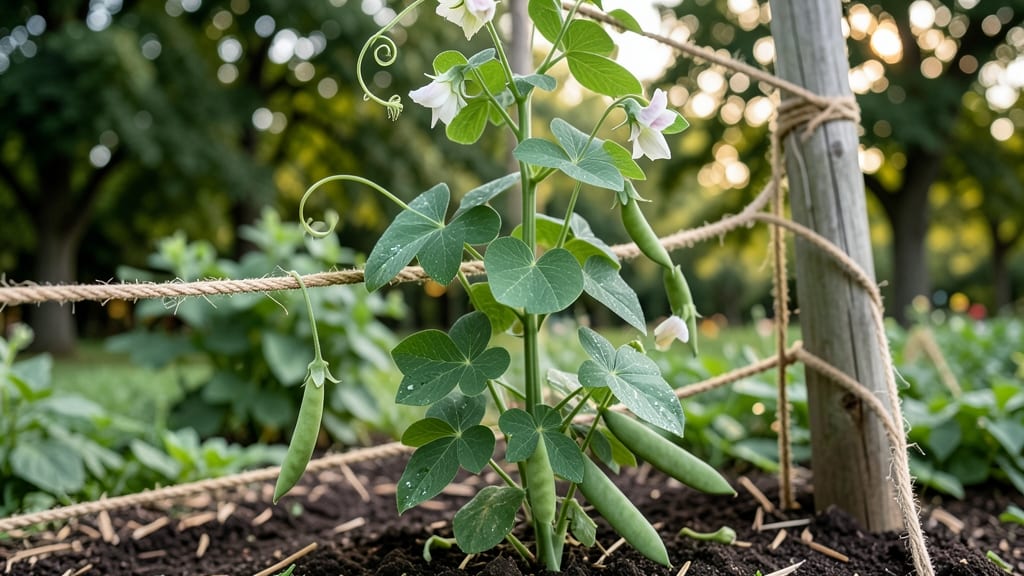
If you're wondering how tall do Sugar Daddy peas grow, you're in for a treat—these vibrant 🌱 climbers can reach impressive heights while delivering sweet, crisp pods straight from your garden.
Unlike their bushy cousins, Sugar Daddy peas thrive when given vertical space, typically stretching between 4 to 6 feet at maturity, making them perfect for trellises or tall cages.
What makes these peas so special is their dual-purpose nature: they’re not just tall but also prolific producers, yielding tender pods from June to July in USDA Zone 6a.
Whether you're planting in spring or experimenting with container gardening, understanding their growth habits is key to maximizing your harvest without sacrificing space.
For gardeners with limited room, Sugar Daddy peas offer a game-changer—their climbing nature means you can grow more in less space. But here’s the catch: without proper support, they’ll flop, so choosing the right trellis or stakes is just as important as the planting window of March to April.
Ready to transform your garden? I’ll break down everything you need to know—from exact height expectations to trellising tips—so you can grow these peas like a pro and enjoy a bountiful harvest all season long.


Sugar Daddy pea height by growth stage: exact measurements & growth timeline
If you're wondering how tall Sugar Daddy peas grow, the answer depends on their growth stage and whether they're climbing or left to sprawl. These vining peas are famous for their dramatic height transformation—starting as tiny seedlings and reaching towering maturity with proper support.
Without a trellis, they'll sprawl 1-2 feet, but with one, they'll climb 4-6 feet or more, making them ideal for vertical gardening.
Understanding their growth timeline helps you plan your garden layout and support structures. Sugar Daddy peas follow a predictable pattern from seed to harvest, with height milestones that align with their development phases.
Knowing these stages ensures you provide the right care at the right time to maximize both height and yield.
| Growth Stage | Height Range | Days to Reach Stage | Key Care Notes |
|---|---|---|---|
| Seedling | 0.1–0.5 ft (1–6 in) | 7–14 days | Keep soil moist; provide light support if needed. |
| Early Vining | 1–3 ft (12–36 in) | 21–30 days | Install trellis early; prune side shoots for upward growth. |
| Mature Vining | 4–6 ft (48–72 in) | 45–60 days | Ensure trellis is sturdy; harvest pods regularly to encourage more growth. |
| Peak Production | 5–7 ft (60–84 in) | 60–70 days | Continue pruning; watch for pests like aphids on new growth. |
At the seedling stage, Sugar Daddy peas stay low to the ground, rarely exceeding 6 inches. This is the perfect time to install a trellis or support structure—even a simple wire cage or bamboo stakes will work.
Without support, they’ll sprawl, but with it, they’ll start climbing aggressively by 3 weeks.
By the time they reach the early vining stage, their height can double or triple in just 2 weeks. This is when you’ll see the most dramatic growth spurts, especially if they’re planted in full sun (6+ hours daily).
If your trellis isn’t tall enough, they’ll simply grow taller than it, which can lead to tangled vines and lower yields.
At maturity, Sugar Daddy peas typically reach 4–6 feet, but with ideal conditions—like rich soil, consistent watering, and a sturdy trellis—they can surpass 7 feet. This makes them perfect for vertical gardening, especially in small spaces like balconies or patios.
Just ensure your support structure can handle their weight, especially after heavy rain.
One common misconception is that all peas grow the same height. While some dwarf varieties stay under 2 feet, Sugar Daddy peas are vining types designed to climb. If you’re comparing them to bush peas, you’ll notice a 3x difference in height, which also affects their yield potential.
Vining types like Sugar Daddy produce more pods when given vertical space.
For gardeners in USDA Zones 6a and warmer, Sugar Daddy peas thrive when planted 4–6 weeks before the last frost. In cooler climates, consider starting seeds indoors or using row covers to extend the growing season.
Their height isn’t just about aesthetics—it’s about maximizing your garden’s vertical real estate while ensuring every plant gets the sunlight it needs.
If you’re growing Sugar Daddy peas in containers, choose deep pots (at least 12 inches deep) and pair them with a compact trellis. Their roots will spread, but their vines will still reach 4–5 feet with proper support.
This makes them ideal for urban gardeners or those with limited ground space.
To encourage healthier, taller growth, focus on these three key factors: sunlight, water, and support. Sugar Daddy peas are sun-lovers, so place them where they’ll get at least 6 hours of direct sunlight.
Water deeply every 3–5 days, keeping the soil consistently moist but not waterlogged. And finally, provide a stable trellis early to guide their upward growth.
When planning your garden layout, account for their mature height by placing taller plants behind them or using them as a living trellis for other climbers like cucumbers or beans.
Their sweet, sugar-rich pods are well worth the vertical commitment—just imagine harvesting fresh peas from a 6-foot-tall plant right outside your kitchen door!
Sugar Daddy pea height by growth stage: exact measurements & growth timeline
Sugar Daddy peas are vigorous vining plants that thrive when given proper support, but their height varies dramatically from seedling to maturity. Understanding these stages helps you plan your garden layout and maximize vertical space for higher yields.
Without support, they’ll sprawl 1-2 feet, but with a sturdy trellis, they can reach 4-6 feet tall—making them perfect for small spaces or vertical gardening.
At the seedling stage (0-2 weeks), Sugar Daddy peas stay compact, growing just 1-3 inches tall. This is your window to transplant them carefully without disturbing delicate roots.
During this phase, focus on keeping soil moist and providing full sun exposure to encourage strong early growth. Neglecting sunlight here can stunt their eventual height and productivity.
🌱 Sugar Daddy Pea Growth Timeline & Height Guide
| Stage | Height Range | Days to Reach | Key Care Tips |
|---|---|---|---|
| Seedling | 1–3 inches | 0–14 days | Keep soil moist, full sun |
| Vegetative | 1–2 feet | 15–30 days | Install trellis early, prune suckers |
| Flowering | 2–4 feet | 30–45 days | Support vines, water deeply |
| Mature | 4–6 feet | 45–60 days | Harvest pods regularly, prune old growth |
By week 3-4 (vegetative stage), Sugar Daddy peas enter their rapid growth phase, shooting up to 1-2 feet tall if given proper support.
This is the critical time to install a trellis or cage—waiting too long risks tangled vines and reduced airflow, which can lead to fungal diseases. I recommend using a 5-6 foot tall trellis made of bamboo or metal mesh to accommodate their full height potential.
During the flowering stage (weeks 4-6), vines will climb aggressively, reaching 2-4 feet tall if supported. This is when you’ll see those iconic sweet-smelling white flowers followed by plump pods.
Prune any side shoots that aren’t climbing the trellis to direct energy upward and encourage straighter growth. Without pruning, vines can become overly bushy and struggle to reach their full height.
The mature stage (60+ days) is when Sugar Daddy peas hit their peak height of 4-6 feet, producing an abundance of tender, sugar-rich pods.
At this point, regular harvesting is key—not only does it encourage more production, but it also prevents the plant from becoming top-heavy and snapping under its own weight. If you’re growing in containers, choose deep pots with at least 12 inches of soil depth to support their root system.
For container gardening, Sugar Daddy peas can still thrive in 5-gallon buckets or vertical planters, though their height may be slightly limited to 3-4 feet without aggressive pruning. Use a small trellis or cage inside the container to guide their growth upward, saving valuable floor space.
Just ensure the container has drainage holes and you’re watering consistently—drought stress will stunt their growth.