
How To
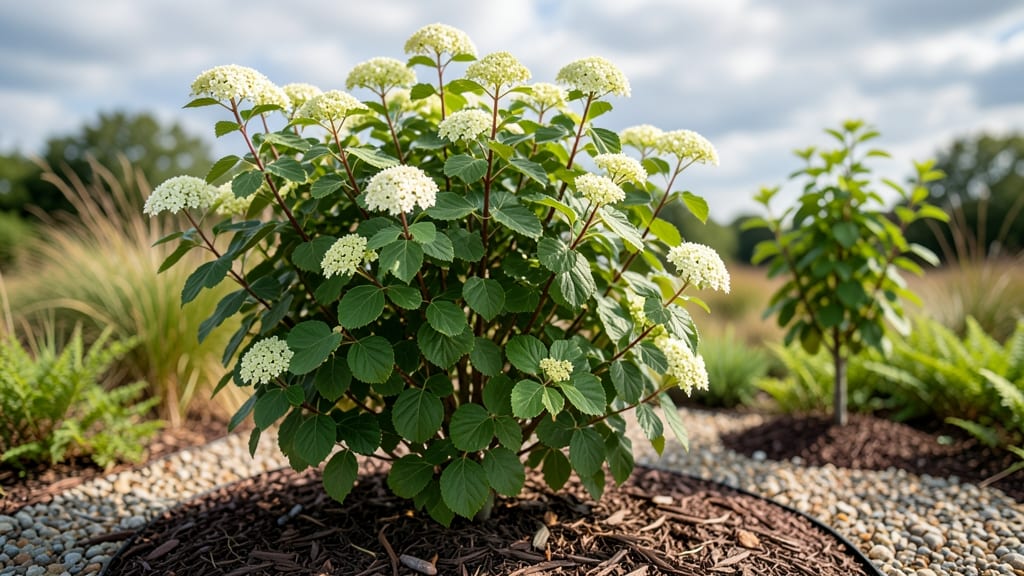
Viburnum height ranges by popular variety (with mature size guides)
When planning your garden layout, understanding viburnum height ranges helps you choose the perfect variety for your space. Some viburnums grow as tall as small trees (up to 15 feet), while others stay compact enough for containers or small yards.
Below, I’ve organized the most popular species by their mature height, including growth rates and ideal spacing.
For large landscapes, varieties like Viburnum plicatum (Japanese snowball bush) reach 10-15 feet tall and thrive as focal points. Meanwhile, dwarf varieties like Viburnum burkwoodii stay under 3 feet, making them ideal for border plantings or foundation beds. Always check spacing recommendations—crowding can stunt growth or invite pests.
Growth rates vary by species, but most viburnums grow 1-2 feet per year until they reach maturity. For example, Viburnum dentatum (arrowwood viburnum) typically matures in 3-5 years, while Viburnum opulus (snowball bush) may take 5-7 years to reach its full height. Patience pays off with these long-lived shrubs!
| Variety | Mature Height | Growth Rate | Ideal Spacing | Best For |
|---|---|---|---|---|
| Viburnum plicatum (Japanese Snowball) | 10–15 ft | 1–2 ft/year | 8–10 ft apart | Focal points, hedges |
| Viburnum dentatum (Arrowwood) | 6–10 ft | 1 ft/year | 5–6 ft apart | Wildlife gardens, borders |
| Viburnum opulus (Snowball Bush) | 8–12 ft | 1.5 ft/year | 6–8 ft apart | Privacy screens, mixed borders |
| Viburnum tinus (Laurustinus) | 8–12 ft | 6–12 in/year | 5–6 ft apart | Year-round interest, hedges |
| Viburnum burkwoodii (Dwarf Burkwood) | 3–5 ft | 4–6 in/year | 3–4 ft apart | Containers, small gardens |
| Viburnum trilobum (American Cranberrybush) | 10–15 ft | 1–2 ft/year | 8–10 ft apart | Wildlife habitats, woodland edges |
🌱 Pro Tip: Always check your local nursery for cultivar-specific growth habits—some hybrids grow even larger!
If you’re designing a privacy hedge, Viburnum plicatum or Viburnum opulus are excellent choices due to their height and dense foliage. For small spaces, Viburnum burkwoodii or Viburnum carlesii (Korean spice viburnum) stay under 5 feet while still offering fragrant flowers and berries.
Always consider your garden’s sunlight exposure—most viburnums thrive in partial shade, but some, like Viburnum dentatum, tolerate full sun.
For container gardening, prioritize dwarf varieties like Viburnum bodnantense (Winter Beauty), which maxes out at 4–6 feet. Use a large pot (18+ inches wide) with drainage holes and a well-draining potting mix to prevent root rot.
Remember, root-bound plants grow slower, so repot every 2–3 years if you notice roots circling the container.
In USDA Zones 5–9, most viburnums grow vigorously, but cold-hardy varieties like Viburnum lentago (nannyberry) thrive in Zone 3. If you’re in a warmer climate (Zone 10+), opt for Viburnum suspensum (Witch-hazel Viburnum), which handles heat well while staying under 10 feet tall.
Always check the USDA Hardiness Zone for your specific cultivar!
One common mistake is assuming all viburnums grow the same height. For example, <
How pruning affects Viburnum height: techniques for controlling growth
Pruning is the secret weapon for managing viburnum height—whether you want a tall hedge or a compact container plant. The right cuts at the right time can reduce a 12-foot monster into a 6-foot shrub or encourage a dwarf variety to fill out.
But timing and technique matter: prune at the wrong moment, and you’ll stunt blooms or invite disease.
Most viburnums grow 1-2 feet per year, but aggressive pruning can slow this down. For example, Viburnum plicatum (Japanese snowball bush) naturally reaches 8-12 feet, but with regular pruning, you can keep it at 6 feet for a tidy look.
The key? Prune right after flowering to avoid cutting off next year’s blooms.
🌿
- Step 1: Wait Until After Flowering – Prune 4-6 weeks after blooms fade (late spring/early summer) to preserve next year’s flowers.
- Step 2: Remove Dead or Weak Wood – Cut out crossing branches or diseased stems first to improve airflow.
- Step 3: Thin Out Interior Branches – Aim for an open center by removing 1/3 of oldest stems at the base.
- Step 4: Shape for Desired Height – Trim new growth back by 1/3 to control size, but never cut into old wood.
- Step 5: Clean Up Debris – Rake up clippings and sterilize tools with rubbing alcohol to prevent fungal spread.
⚠️ Pro Tip: Avoid heavy pruning in fall—it encourages tender new growth that won’t survive winter.
For tall-growing viburnums like Viburnum lantana (wayfaring tree), prune in early spring before buds swell to reduce height. Use sharp bypass pruners for clean cuts, and avoid topping (cutting the main stem flat), which stresses the plant and leads to weak regrowth.
If you’re growing viburnum in containers, prune twice a year—once after flowering and again in early summerViburnum bodnantense (Winter Sunshine) stay under 3 feet with minimal pruning, but even they benefit from light shaping to encourage bushiness.
Over-pruning can weaken viburnums, so never remove more than 1/3 of the plant in a single session. And if your shrub looks leggy or sparse, it’s likely been under-pruned—give it a rejuvenation prune by cutting back 1/2 of the oldest stems to stimulate new growth.
🪴