
How To
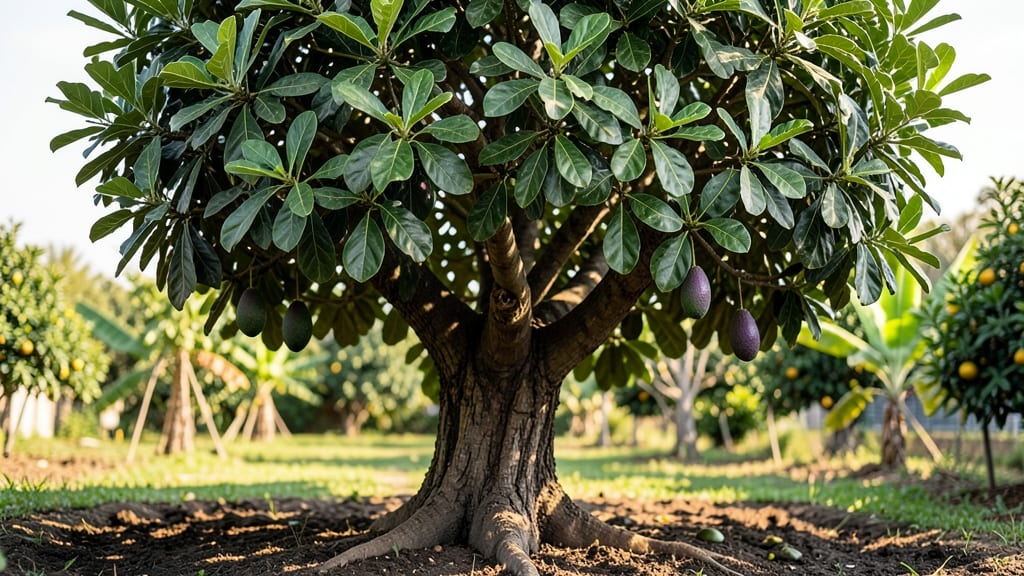
If you’re dreaming of growing your own 🥑 avocado tree but wondering how tall does a avocado tree grow in your yard—or even on your balcony—here’s the truth: these tropical beauties can stretch from a manageable 6-foot dwarf to a towering 80-foot giant, depending on the variety and growing conditions.
The height of your avocado tree isn’t just about luck—it’s a mix of genetics, climate, and care. Whether you’re in USDA Zone 9b-11 or coaxing one to thrive indoors, understanding these factors is the key to keeping your tree at the perfect size.
Let’s break down what to expect and how to control it.
From the compact Hass dwarf varieties that stay under 15 feet to the wild, unpruned giants that reach sky-high, your tree’s future height depends on choices you make today. Pruning, soil, and sunlight all play a role—so if you’re short on space, don’t worry.
There are ways to keep your avocado tree in check without sacrificing those creamy, delicious fruits.
Ready to learn how to grow the perfect-sized avocado tree for your space? I’ll walk you through the varieties, climate tips, and pruning tricks that make it possible—so you can enjoy fresh avocados without the headache of a runaway tree.


Avocado tree height by variety: dwarf to giant size comparison
If you're dreaming of growing your own avocado tree but worried about space, don't panic! The height of avocado trees varies wildly depending on the variety and growing conditions.
Standard types can reach 80 feet tall, while dwarf varieties stay under 15 feet—making them perfect for containers or small backyards.
Most avocado trees fall into three height categories: dwarf (6–15 ft), semi-dwarf (15–25 ft), and standard (40–80 ft). The Hass variety, the most popular in the U.S., typically grows 30–50 feet tall outdoors, while Fuerte avocados can reach 60 feet or more.
Here’s how different varieties compare in terms of mature height and growth habits:
| Variety | Mature Height (Outdoor) | Growth Rate (First 5 Years) | Best For |
|---|---|---|---|
| Hass (Standard) | 30–50 ft | 3–5 ft/year | Large yards, commercial orchards |
| Fuerte | 40–60 ft | 4–6 ft/year | Warm climates, large properties |
| Reed | 20–30 ft | 2–4 ft/year | Urban backyards, containers |
| Bacon | 50–80 ft | 5–7 ft/year | Rural areas, orchards |
| Dwarf Grafted (e.g., Hass on Mexicola) | 6–15 ft | 1–2 ft/year | Containers, patios, small spaces |
Dwarf varieties like the Hass grafted on Mexicola rootstock are the best choice if you're limited on space. These trees stay under 15 feet tall and can even thrive in large containers (15+ gallons). They’re slower-growing but produce fruit just like their taller counterparts!
For faster growth, Fuerte and Bacon varieties shoot up quickly—reaching 5–7 feet per year in ideal conditions. However, this rapid growth means they’ll need regular pruning to keep them manageable in smaller spaces.
If you're growing avocados in containers, expect even slower growth. A dwarf Hass might only reach 6–10 feet after 5 years, while standard varieties will struggle to exceed 10–12 feet unless repotted frequently.
Remember, pruning and training play a huge role in controlling height. Even standard varieties can be kept smaller with consistent care—more on that in the next section! 🪴
How climate zones affect avocado tree growth and maximum height
Your avocado tree's mature height isn't just about the variety—it's heavily influenced by your climate zone. In USDA Zones 9b-11, where temperatures stay warm year-round, avocados thrive and can reach their full 40-80-foot potential.
But move north to Zone 8 or cooler, and growth slows dramatically, often capping at 15-25 feet even with ideal care.
Cold snaps are the biggest height limiter. Avocados hate frost—they'll suffer leaf drop below 28°F and die back in 20°F temps.
In Zone 7 or colder, you'll need to grow them in containers and bring them indoors during winter, which naturally restricts height to 6-15 feet unless you're using a dwarf grafted variety.
🌡️ Climate Impact on Avocado Tree Height
| Zone | Max Outdoor Height | Cold Hardiness | Growth Notes |
|---|---|---|---|
| 9b-11 | 40-80 ft | No frost risk | Fast growth, full sun needed |
| 8a-8b | 20-30 ft | 25-30°F tolerance | Slow growth; protect from winter chill |
| 7a-7b | 6-15 ft (container) | 20°F max (leaf damage) | Must winter indoors; dwarf varieties recommended |
| 6 or cooler | 3-8 ft (container only) | 15°F kills roots | Year-round indoor growth; limited fruit production |
Humidity also plays a role. In dry climates like Southern California, avocados grow taller but leggier—their energy goes into reaching sunlight rather than bushy growth. Meanwhile, in high-humidity zones like Hawaii or Florida, trees stay compact and bushier due to slower growth rates.
This makes them easier to manage in small backyards.
Sunlight exposure directly impacts height too. Avocados need 6+ hours of direct sun daily to grow vertically. In shadier microclimates, they'll grow wider but shorter, often staying under 15 feet unless you supplement with grow lights.
For container-grown trees, this means placing them near south-facing windows or using LED grow bulbs during winter.
Even in ideal zones, wind exposure can stunt height. Coastal areas with salty winds (like parts of California) often see avocados max out at 30-40 feet due to stress.
If you're in a windy climate, plant near a windbreak or choose a semi-dwarf variety like Bacon to keep heights manageable.
For indoor growers in cold zones, height control becomes a light management game. Without enough sunlight, trees grow tall and spindly (a condition called etiolation).
Rotate your container-grown avocado weekly to ensure even light exposure, and supplement with 12-14 hours of grow light daily to encourage balanced, bushier growth.