
How To
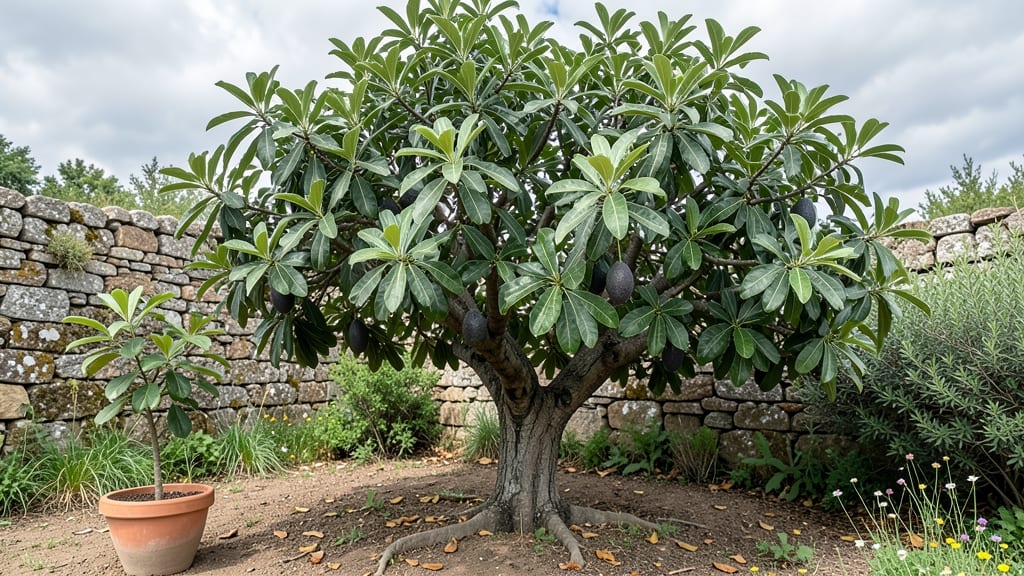
Mature height of avocado trees by popular varieties: a complete comparison
Avocado trees are famous for their dramatic height differences—some stay small enough for containers, while others become towering backyard giants. The variety you choose determines whether your tree will reach 80 feet or stay under 15 feet.
Let’s break down the most popular types and their mature heights to help you pick the perfect fit for your space.
If you’re dreaming of a backyard avocado orchard, standard varieties like Hass and Fuerte will dominate your landscape, while dwarf varieties like Mexicola or Wurtz are ideal for patios or balconies. Even dwarf trees need space—just not as much as their towering cousins.
Here’s a side-by-side comparison of the most common avocado varieties, including their mature height, growth habits, and space requirements to help you decide which one suits your garden best.
Standard varieties like Hass and Fuerte are the classic choices for gardeners with ample space, but their towering heights (up to 80 feet) mean they’re not suitable for small yards or containers.
If you’re limited to a patio or balcony, dwarf varieties like Mexicola or Reed are your best bet—they’ll stay under 15 feet even with proper care.
Even dwarf varieties can grow taller than expected if given ideal conditions—like full sun and rich soil. That’s why I always recommend checking the rootstock (the base the tree is grafted onto) when buying a dwarf avocado.
Some nurseries sell "dwarf" trees grafted onto standard rootstock, which can still reach 20+ feet over time.
For container gardening, choose a variety labeled as true dwarf and use a large pot (at least 20 gallons) with drainage holes. Remember, even dwarf trees need regular pruning to control height and encourage fruit production. A well-pruned Mexicola can stay under 10 feet for years.
If you’re planting in-ground, give standard varieties like Hass plenty of space—they’ll need at least 20 feet of clearance from structures, power lines, and other trees. Their spreading canopies can reach 15–20 feet wide, so plan accordingly to avoid shading out other plants.
How climate zones affect avocado tree height and growth rate
Avocado trees thrive in warm climates, but their height and growth rate vary dramatically depending on your USDA hardiness zone.
In frost-free zones like Zone 10-11, these trees grow aggressively—reaching 60-80 feet—while in cooler zones like Zone 8-9, growth slows significantly, often capping at 20-30 feet without protection. Humidity and temperature play critical roles too.
In Zone 10-11, avocado trees grow year-round, with some varieties like Hass or Fuerte shooting up 3-5 feet annually if given ideal conditions. The warm, humid air fuels rapid foliage and fruit production, but unchecked growth can overwhelm small yards.
Meanwhile, in Zone 9b, trees grow more slowly—1-2 feet per year—unless you provide winter protection like mulch or microclimates.
Cooler zones like Zone 8a-9a present unique challenges. Avocado trees may stunt growth or even die if exposed to frost, but with careful pruning and container gardening, you can keep them manageable.
For example, a dwarf variety like Reed might stay under 10 feet in a pot, even in Zone 8, while a standard tree left unprotected could struggle to survive winters.
Pruning becomes your best friend in cooler climates. By trimming back overgrown branches in late winter, you can redirect energy to fruit production instead of vertical growth. For example, a 15-foot tree in Zone 9b can be pruned to stay under 10 feet while still yielding 50+ avocados annually.
Just avoid heavy pruning in summer, as it stresses the tree during peak growth.
Soil temperature also matters—avocado roots prefer 60-75°F. In cooler zones, use black plastic mulch or heat-absorbing containers to keep roots warm. This small tweak can boost growth by 20-30%, helping your tree reach its full potential even in less-than-ideal climates.
If you’re in Zone 8a or cooler, consider container gardening with dwarf varieties. A Reed avocado in a 20-gallon pot might only reach 8-10 feet but still produce fruit.
Move it indoors during winter, and you’ll avoid frost damage entirely. With the right approach, even small spaces can grow avocados!