
How To
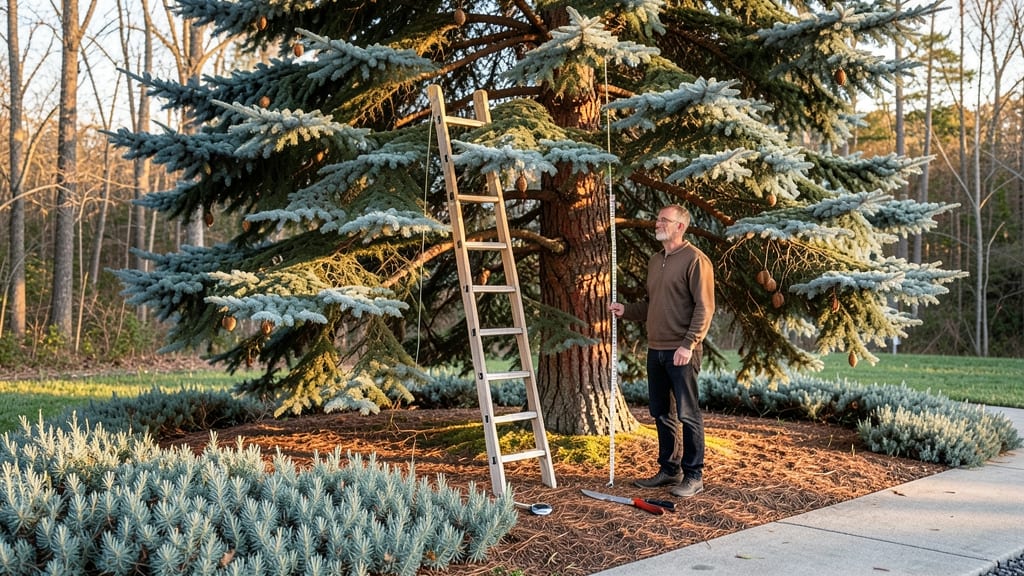
Wondering how tall does a juniper tree grow before it starts dominating your backyard? The answer depends entirely on which variety you choose—because some stay under 3 feet while others shoot up to 40 feet or more!
If you're dreaming of a 🌲 juniper tree that fits neatly into your landscape, you’ll love how compact varieties like Juniperus horizontalis sprawl just a few feet high but stretch wide. On the flip side, towering species like Juniperus virginiana can reach the height of a three-story building—so placement matters!
Growth isn’t just about genetics, though. Soil, sunlight, and even your pruning habits play a huge role in shaping how tall (or short) your juniper ends up. I’ll break down the exact heights by species, plus pro tips to control growth for the perfect fit in your space.
Whether you’re planting for privacy, windbreaks, or just a low-maintenance evergreen, knowing these details is the key to making your juniper thrive without overpowering your yard. Let’s get started!


Juniper tree height by variety: from dwarf to giant species
Juniper trees offer an incredible range of heights, from ground-hugging shrubs to towering evergreens that dominate landscapes. The species and variety you choose will determine whether your juniper stays under 3 feet or stretches toward 40 feet.
Let’s explore the height spectrum so you can pick the perfect fit for your space.
For large yards or windbreaks, tall junipers like Eastern Red Cedar (Juniperus virginiana) can reach 30–40 feet at maturity, while compact varieties like Creeping Juniper (Juniperus horizontalis) rarely exceed 3 feet.
Understanding these differences helps you avoid overcrowding or planting a giant where a dwarf would thrive.
| Variety | Mature Height (ft) | Growth Habit | Notes |
|---|---|---|---|
| Eastern Red Cedar (J. virginiana) | 30–40 | Upright | Fast-growing, drought-resistant |
| Creeping Juniper (J. horizontalis) | 1–3 | Spreading | Ideal for slopes, ground cover |
| Pfitzer Juniper (J. × pfitzeriana) | 10–15 | Bushy, rounded | Great for hedges, privacy screens |
| Savin Juniper (J. sabina) | 10–20 | Upright to spreading | Tolerates poor soil, cold climates |
| Blue Rug Juniper (J. procumbens 'Blue Rug') | 2–3 | Low, mat-forming | Drought-tolerant, blue-green foliage |
| Chinese Juniper (J. chinensis) | 20–30 | Columnar to spreading | Versatile, adaptable to pruning |
| Sargent Juniper (J. × sargentii) | 15–25 | Pyramidal | Cold-hardy, low-maintenance |
If you’re designing a hedge or privacy screen, varieties like Pfitzer Juniper or Chinese Juniper strike a balance between height and manageability. For small spaces or containers, dwarf varieties like Blue Rug Juniper or ‘Nana’ stay under 3 feet while adding texture and color.
Growth rates vary too: Fast growers like Eastern Red Cedar can add 1–2 feet per year, while slow-growing types like Creeping Juniper may only gain a few inches annually. Plan accordingly if you want faster results.
For urban gardens or rooftop terraces, consider container-friendly junipers like ‘Blue Star’ Juniper (J. squamata*), which tops out at 6–8 feet. Just ensure your container has drainage holes to prevent root rot—a common issue with junipers.
Pro tip: Check the USDA Hardiness Zone for your variety. Some junipers, like Savin Juniper, thrive in Zones 3–7, while others, like Creeping Juniper, prefer Zones 4–9. Matching your climate to the plant’s needs ensures healthy growth and proper height development.
Whether you’re aiming for a towering specimen or a low-maintenance ground cover, choosing the right juniper variety lets you control both height and impact in your landscape. Next, we’ll explore how soil, sun, and pruning can further shape your juniper’s growth.
🌲
How growth conditions affect juniper tree height: sun, soil, and climate
Juniper trees thrive in diverse conditions, but their height growth depends heavily on sunlight, soil quality, and climate. Unlike fast-growing species, junipers grow slowly—typically 12–24 inches per year—but environmental factors can accelerate or stunt their development.
Understanding these variables helps you predict and manage their mature size, whether you want a towering specimen or a compact hedge.
Sunlight is the most critical factor for juniper growth. Most varieties need full sun (6+ hours daily) to reach their maximum height potential. For example, Eastern red cedar (Juniperus virginiana) can soar to 30–40 feet with ample sun but may stay under 20 feet in partial shade.
Shade-loving varieties like creeping juniper (Juniperus horizontalis) stay low regardless of light, but even they benefit from morning sun for vibrant foliage.
Soil quality directly impacts root health, which in turn affects height. Junipers prefer sandy, loamy, or rocky soil with good drainage. Heavy clay soils can reduce their height by up to 40% because waterlogged roots struggle to absorb nutrients.
Amend clay soil with compost or grit to improve drainage and encourage vertical growth. In sandy soils, junipers may grow taller but require more frequent watering during droughts to support their height.
Climate plays a subtle but significant role. Junipers native to arid regions (e.g., Juniperus osteosperma) often stay shorter and denser due to water scarcity, while those in cooler, wetter climates (e.g., Juniperus communis) may grow taller but with slower height increments.
Coastal junipers, exposed to salty winds, often develop a stunted, bushy growth habit to conserve moisture. If you live in a humid area, choose varieties like ‘Blue Rug’ juniper, which naturally stays under 2 feet tall and resists fungal diseases.
Pruning is your best tool to control height, especially for varieties prone to overgrowth. For upright junipers (e.g., Juniperus scopulorum), prune the top third of new growth in early spring to encourage bushier, shorter growth.
For spreading varieties (e.g., Juniperus procumbens), trim suckers at the base to redirect energy upward. Regular pruning can reduce a 30-foot juniper to a 15-foot specimen over 5–10 years, making it ideal for smaller yards.
Finally, watering habits influence height indirectly. Overwatering young junipers can lead to weak, leggy growth, while underwatering stresses them into a compact, drought-resistant form. Once established, junipers are drought-tolerant, but deep watering every 2–3 weeks during their first year promotes stronger root systems and healthier height growth.
Mulch around the base with pine straw or gravel to retain moisture and regulate soil temperature, which supports consistent growth patterns.
By tailoring sunlight, soil, and water to your juniper’s needs, you can steer its height toward your vision—whether that’s a privacy screen, windbreak, or low-maintenance hedge. 🌲