
Plants
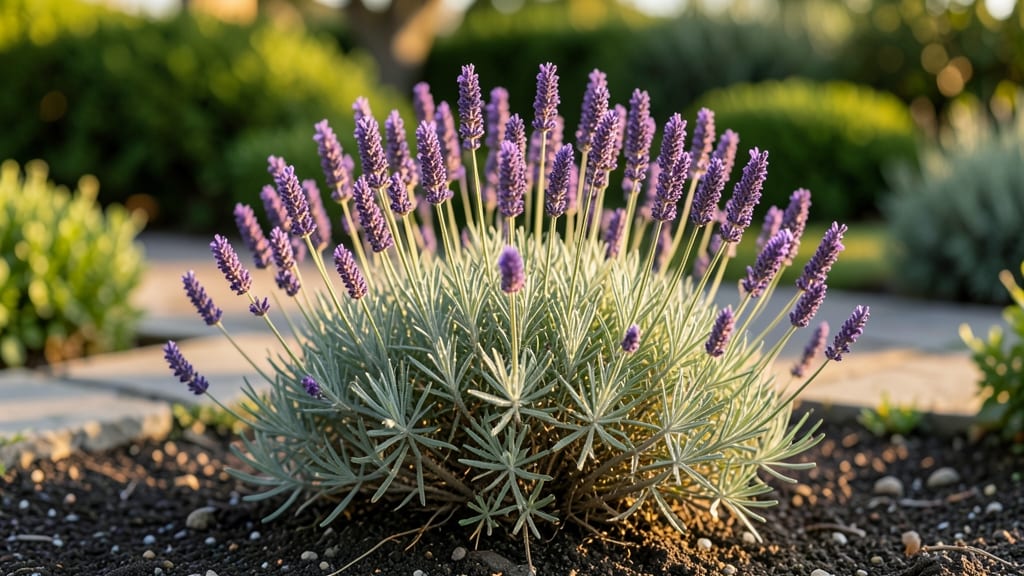
Wondering how tall does a lavender plant grow before it becomes a lush, fragrant centerpiece in your garden? The answer depends on the variety you choose—some stay compact at just 8-12 inches, while others reach towering heights of 3-4 feet or more!
If you're planning your spring planting in USDA Zone 6a, knowing these height differences is the key to creating a balanced layout. Dwarf varieties like 'Munstead' make perfect edging plants, while taller types like 'Grosso' thrive as bold focal points or hedges.
The right spacing ensures your lavender 🌿 stays healthy and doesn’t crowd out other plants.
But here’s the catch: without proper care, even dwarf lavender can grow taller than expected. Over-fertilizing or skipping pruning can send your plants reaching for the sky—literally! I’ll show you how to control their growth naturally, so you get the perfect height for your garden vision.
Ready to design a fragrant, low-maintenance space? Let’s break down the height ranges, spacing tips, and pruning secrets that will keep your lavender looking its best all season long.


Lavender plant height by popular variety (with mature growth data)
Lavender plants come in stunning varieties, each with its own height range and growth habits. Whether you're planning a fragrant hedge or a pollinator-friendly border, knowing these details helps you space plants correctly.
Some varieties stay compact at just 8 inches tall, while others reach 4 feet or more—let's explore the most popular types and their mature sizes.
English lavender is one of the most beloved varieties, typically reaching 2 to 3 feet tall with a similar spread. This makes it perfect for formal gardens and cutting arrangements.
French lavender, on the other hand, tends to be slightly shorter, usually 1 to 2 feet tall, but its spreading habit creates a lush, low-growing carpet.
Spanish lavender stands out with its taller, more upright growth, often reaching 3 to 4 feet tall, making it ideal for tall hedges or back-of-border plantings.
Dwarf varieties like 'Hidcote' or 'Munstead' lavender are perfect for container gardens or rockeries, staying between 8 and 12 inches tall. These compact plants thrive in small spaces and add year-round interest with their silver-gray foliage.
Meanwhile, 'Grosso' lavender, a popular English variety, can grow up to 3 feet tall and is known for its long-lasting blooms and intense fragrance.
When planning your lavender garden, consider not just the height but also the spread of each variety. For example, French lavender spreads wider than it grows tall, while Spanish lavender has a more upright, tree-like form.
This affects how you space plants—typically, 18 to 24 inches apart for most varieties ensures they have enough room to thrive without competing for nutrients or sunlight.
If you're growing lavender in containers, opt for dwarf varieties like 'Hidcote' or 'Munstead', which stay under 12 inches tall. These are perfect for balconies, patios, or windowsills where space is limited.
Larger varieties like 'Grosso' or Provence lavender need at least 18-inch pots to accommodate their deeper root systems and prevent root-bound stress.
For hedges or privacy screens, taller varieties like Spanish lavender or 'Grosso' are ideal. Plant them 24 to 36 inches apart to create a dense, fragrant barrier.
If you're using lavender as a border plant, mix heights—place taller varieties at the back and shorter ones in front—to create visual interest and depth in your garden design.
One common mistake gardeners make is overcrowding lavender plants, which leads to poor air circulation and increased risk of fungal diseases. Always follow the spacing guidelines for each variety, and avoid planting lavender too close to shade-casting structures like walls or large trees.
Lavender thrives in full sun, so ensure each plant gets at least 6 hours of direct sunlight daily to reach its full height and fragrance potential.
Finally, remember that lavender's height can vary slightly based on your climate and growing conditions. In warmer, drier climates, lavender may grow slightly taller and fuller, while in cooler or wetter regions, it might stay more compact.
Always check the specific variety's care requirements and adjust your spacing accordingly for the best results.
With this guide, you can confidently plan your lav
How to choose lavender height based on garden layout and purpose
Selecting the right lavender height isn’t just about aesthetics—it’s about maximizing your garden’s potential. Taller varieties like English lavender (up to 4 feet) create stunning hedges, while dwarf varieties (8-12 inches) thrive in containers or rock gardens. Your garden’s layout and purpose should guide your choice.
For pollinator gardens, taller lavender varieties attract bees and butterflies to higher elevations. Place Spanish lavender (3-4 feet) near pathways or borders to create a fragrant, eye-catching backdrop. If you’re designing a herb spiral, dwarf varieties like Lavender 'Hidcote' (12 inches) fit perfectly in the inner curves.
Containers are ideal for small-space gardening. Choose semi-dwarf varieties like Lavender 'Munstead' (1-2 feet) to fill 12-18 inch pots. Ensure pots have drainage holes to prevent root rot, and place them in full sun for best results.
When planning hedges or borders, space lavender plants based on their mature height. For English lavender, allow 3-4 feet between plants to prevent overcrowding. For dwarf varieties, 12-18 inches apart works well. This spacing ensures airflow, reducing the risk of fungal diseases like powdery mildew.
Consider the viewing angle of your garden. Taller lavender varieties work well as backdrop plants behind perennials or annuals. Place them near seating areas or patios to enjoy their fragrance up close. Dwarf varieties, on the other hand, make excellent foreground plants in borders or edging.
If you’re creating a scented pathway, mix heights for visual interest. For example, pair Lavender 'Grosso' (2-3 feet) with Lavender 'Kew Red' (1-2 feet). This combination adds texture and ensures fragrance at every step. Always plant in well-draining soil and full sun to encourage healthy growth.
For container gardening on balconies or patios, opt for compact varieties like Lavender 'Bandera' (1-2 feet). These plants thrive in 1-gallon containers and can be moved seasonally. Just remember, lavender needs at least 6 hours of sunlight daily, so place containers in the sunniest spot available.