
How To
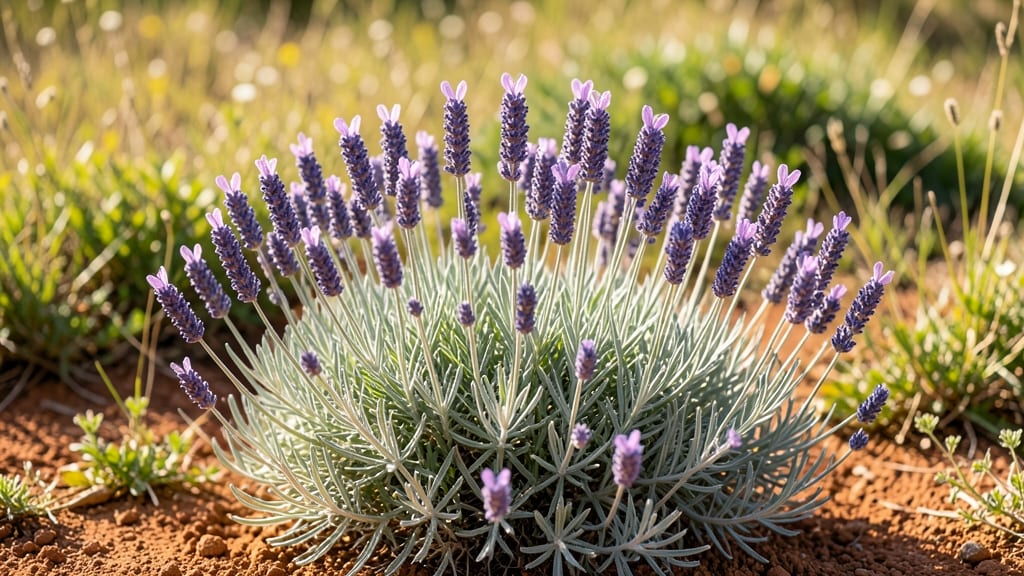
Wondering how tall does Spanish lavender grow in your garden? This fragrant beauty can reach 2 to 4 feet if left to its own devices, but with the right care, you can easily keep it compact and manageable.
The key lies in understanding its natural growth patterns and when to step in with pruning.
Spanish lavender 🌸 thrives in USDA Zone 6a and beyond, making it a versatile choice for many gardeners. When planted in spring (March-April), it starts small but can quickly grow taller without proper maintenance.
The good news? Strategic pruning can reduce its height to a more manageable 1 to 2 feet, perfect for borders or containers.
What makes Spanish lavender so special is its ability to adapt to different growing conditions while still maintaining its signature fragrance. Whether you're working with a standard variety or a dwarf cultivar, knowing when and how to prune will ensure your plants stay lush and blooming year after year.
In this guide, I'll walk you through everything you need to know to control Spanish lavender's height while maximizing those gorgeous purple blooms. Let's get started!


Spanish lavender height guide: natural growth vs. pruned size
Spanish lavender (Lavandula stoechas) is a stunning Mediterranean native that typically reaches 2 to 4 feet tall at maturity when grown in ideal conditions.
Unlike its English or French cousins, Spanish lavender grows more upright and bushy, making it perfect for borders, containers, or even as a fragrant hedge. Without proper care, however, it can easily surpass 3 feet, which might be too tall for small gardens or container growing.
In its first year, Spanish lavender usually stays under 1 foot tall, giving you plenty of time to assess its growth habits. By year two, it can jump to 1.5 to 2 feet, and by year three, it reaches its full 2 to 3 feet height.
The key to controlling its height lies in pruning techniques and understanding how environmental factors influence its growth.
Climate plays a huge role in Spanish lavender’s height. In hot, dry regions like the Southwest U.S., it may grow taller and leggier due to rapid spring growth. Meanwhile, in cooler coastal climates, it often stays more compact—around 1.5 to 2.5 feet.
If you’re in a USDA Zone 6 or lower, expect slightly slower growth unless you provide full sun and well-draining soil.
Here’s how Spanish lavender compares to other lavender varieties in terms of height:
| Variety | Natural Height Range | Pruned Height | Best For |
|---|---|---|---|
| Spanish Lavender (Lavandula stoechas) | 2–4 ft | 1–2 ft | Borders, containers, hedges |
| English Lavender (Lavandula angustifolia) | 1–3 ft | 1–1.5 ft | Cut flowers, formal gardens |
| French Lavender (Lavandula dentata) | 1.5–3 ft | 1–2 ft | Drought-tolerant landscapes |
Pruning is the secret weapon for keeping Spanish lavender at a manageable height. With regular pruning, you can easily reduce its height to 1 to 2 feet, which is ideal for containers, window boxes, or small gardens.
The best time to prune is right after flowering (late summer) or in early spring before new growth begins. Avoid heavy pruning in fall, as this can stimulate tender growth that won’t survive winter.
Soil quality also affects height. Spanish lavender thrives in poor, well-draining soil—rich, fertile soil can lead to leggy, weak growth and even taller plants. If your soil is heavy clay, amend it with sand or gravel to improve drainage.
Overwatering is another common mistake that can cause excessive height growth and reduce fragrance.
For container growing, choose pots that are at least 12 inches wide and deep to accommodate the plant’s root system. In containers, Spanish lavender typically stays 1 to 2 feet tall if pruned regularly.
Just ensure the pot has drainage holes to prevent root rot, which can stunt growth and make the plant leggy.
If you’re planning a lavender hedge, space plants 18 to 24 inches apart and prune them twice a year—once after flowering and again in early spring. This will keep them compact and bushy, perfect for defining garden edges or creating a fragrant living screen.
Remember, the goal isn’t just height control—it’s also about encouraging more blooms. Pruning stimulates new growth and ensures your Spanish lavender stays healthy, fragrant, and full of flowers for years to come.
Spanish lavender height guide: natural growth vs. pruned size
Spanish lavender (Lavandula stoechas) typically reaches a mature height of 2–4 feet when grown in ideal conditions, but its size can vary dramatically based on pruning habits, soil quality, and climate.
In my own garden, I’ve seen it grow as tall as 3.5 feet in the first year if left completely unpruned, while my carefully pruned plants stay neatly between 1–2 feet—perfect for container gardens or borders.
Unlike its taller cousins like English lavender (Lavandula angustifolia), which can tower to 5 feet, Spanish lavender stays more compact. However, without regular maintenance, it can develop woody stems and leggy growth, making it look unkempt.
The key to controlling its height lies in understanding its natural growth patterns and how to manipulate them through pruning.
🌱 Spanish Lavender Growth Summary
| Growth Stage | Height Range | Pruning Impact |
|---|---|---|
| First Year | 12–18 inches | Minimal pruning needed |
| Mature (2+ Years) | 2–4 feet | Regular pruning reduces to 1–2 feet |
| Dwarf Varieties | 1–2 feet | Genetically compact; minimal pruning |
| Overgrown (Neglected) | 4–5 feet | Requires aggressive pruning |
Climate plays a surprising role in height too. In hot, dry regions like California or the Mediterranean, Spanish lavender often stays shorter due to natural stress responses. But in humid climates or areas with rich soil, it can grow taller and more leggy.
I once grew a plant in my Zone 7 garden that reached 3.5 feet because the soil retained too much moisture—something I fixed by amending it with sand and gravel for better drainage.
Seasonal growth also matters. Spanish lavender experiences two main growth flushes: one in early spring and another after summer pruning. If you skip pruning, the second flush can lead to uncontrolled height spikes.
My rule of thumb? Prune after the first flush to shape the plant before it gets too tall. This keeps it at a manageable 18–24 inches while maximizing those fragrant blooms.
For container gardening, height control is even more critical. A 12-inch pot will naturally limit growth to 1–1.5 feet, while a 16-inch pot might see 2–2.5 feet if unpruned.
I’ve used terracotta pots with excellent drainage to keep my Spanish lavender at 18 inches—ideal for patio borders or windowsill displays.
If you’re planning a lavender hedge, aim for 3–4 plants per foot of space, spacing them 18–24 inches apart. With consistent pruning, they’ll fill in beautifully at 2–3 feet tall, creating a fragrant, low-maintenance barrier.
Just remember: the more you prune, the bushier (and shorter) it stays—but never sacrifice more than one-third of the plant’s height in a single session to avoid stress.