
How To
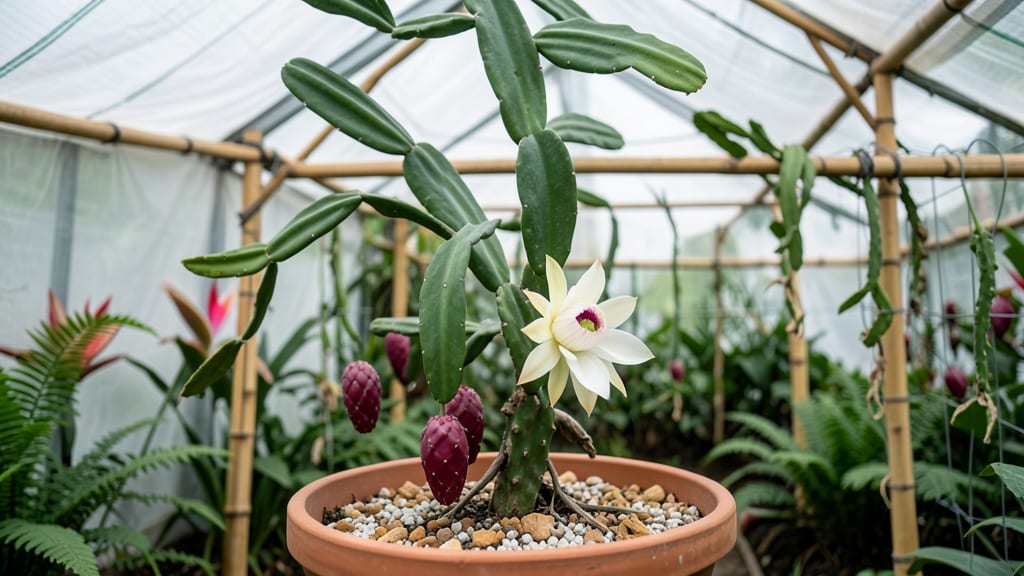
If you're wondering how tall does dragon fruit grow, prepare to be amazed—these tropical vines can reach heights of 10 to 20 feet or more with the right support! 🐉 Unlike many garden plants, dragon fruit thrives as a vigorous climber, sending out long, sturdy stems that need guidance to reach their full potential.
But here’s the catch: without proper trellising or training, those vines can sprawl unpredictably, turning your backyard into a jungle. The good news? With the right techniques, you can control their growth, whether you’re working with a sprawling Hylocereus undatus or a more compact variety suited for containers.
In this guide, I’ll break down exactly how tall different dragon fruit varieties grow, how to support them for maximum yield, and even how to adapt them for small spaces. Whether you’re dreaming of a backyard harvest or a balcony-friendly plant, we’ve got you covered.
Let’s dive into the world of dragon fruit heights—because with the right setup, you could be enjoying homegrown fruit in just a few years!


Dragon fruit plant heights by variety: how tall each type climbs
Dragon fruit plants are vibrant climbers that can reach staggering heights—some varieties even surpassing 20 feet with proper support. The mature height varies dramatically between species, with Hylocereus undatus and Hylocereus monstrosus leading the pack.
Without training, these vines sprawl horizontally, but with a sturdy trellis, they’ll shoot vertically like a jungle gym. Understanding these differences helps you plan your garden layout and choose the right variety for your space.
Most dragon fruit plants belong to the Hylocereus genus, but Selenicereus varieties also produce edible fruit. The growth rate is another critical factor: some varieties grow 3-5 feet per year, while others take 2-3 years to reach their full potential.
If you’re working with limited space, dwarf or compact varieties might be your best bet—but even those can still climb if given the chance. Let’s break down the height expectations for the most popular types.
| Variety | Mature Height (with Support) | Growth Rate (Per Year) | Space Needs |
|---|---|---|---|
| Hylocereus undatus (Pink Skin) | 15–20 ft | 3–5 ft | Large garden or trellis |
| Hylocereus monstrosus (White Skin) | 12–18 ft | 2–4 ft | Medium trellis or fence |
| Selenicereus megalanthus (Yellow Skin) | 10–15 ft | 2–3 ft | Small trellis or balcony setup |
| Hybrid Varieties (e.g., 'Red Pitaya') | 10–20 ft | 3–5 ft | Large trellis or pergola |
📏 Note: Heights assume proper pruning and support. Without training, vines sprawl horizontally.
If you’re growing Hylocereus undatus, expect your plant to dominate vertical space—this variety is the tallest and most aggressive climber. In my own garden, a 15-foot trellis barely contained a single vine, which produced dozens of fruit by its third year.
Meanwhile, Selenicereus megalanthus is more compact, making it ideal for smaller backyards or containers. The key is to prune regularly to encourage upward growth and prevent the vine from becoming a tangled mess.
Another factor influencing height is pruning technique. If you fail to prune, your dragon fruit vine will grow wildly, producing long, unruly branches that struggle to support fruit. Pruning in late winter—just before new growth begins—helps redirect energy upward.
I recommend cutting back overgrown sections to 3-4 feet from the base to maintain a manageable height while maximizing fruit production. This also improves air circulation, reducing the risk of fungal diseases like powdery mildew.
For urban gardeners, dwarf varieties or container-grown plants might seem like the only option, but even these can reach 10 feet if given a sturdy vertical support system. The secret to controlling height lies in training the vine early.
When your dragon fruit plant is still young, tie it to a trellis or stake and guide the main stem upward. This encourages the plant to prioritize vertical growth over sprawling horizontally. Over time, you’ll see thicker, stronger stems that can support the weight of heavy fruit.
One common misconception is that all dragon fruit plants grow to the same height. In reality, hybrid varieties often outpace their parents, reaching 20 feet or more with aggressive pruning.
If you’re growing multiple varieties, consider separating them to avoid cross-pollination issues and ensure each plant has enough space to thrive vertically. For example, Hylocereus undatus and Hylocereus monstrosus can cross-pollinate, leading to unpredictable fruit characteristics. Keeping them apart ensures consistent quality and predictable heights.
If you’re planning to grow dragon fruit in a small space, focus on Selenicereus varieties or hybrids bred for compact growth. These can still climb 10-15 feet, but they’re less aggressive than their taller cousins. Pair them with a small trellis or wall-mounted planter to save space.
I’ve even seen dragon fruit grown successfully in hanging baskets with vertical support wires, though yields are smaller. The trade-off? You’ll still get delicious fruit without sacrificing your entire backyard to a 20-foot vine.
For maximum height control, consider topping the plant—a technique where you cut the main stem just above a bud or joint. This encourages lateral branching, which you can then train upward along a trellis.
It’s a bit more advanced, but the results are neater growth and better fruit distribution. Just be sure to sterilize your pruners to avoid introducing **
Support structures for dragon fruit: how to train vines to reach their full height
Dragon fruit vines need proper support structures to reach their full climbing potential. Without guidance, vines can sprawl uncontrollably, reaching 20+ feet while becoming tangled and weak. The right support system helps vines grow straight and strong, maximizing fruit production and making harvesting easier.
Think of it as a vertical garden framework that turns your dragon fruit into a stunning, high-yielding wall of greenery.
Your support choice depends on your space and goals. For backyard gardens, a sturdy trellis or pergola works best, while urban balconies benefit from lightweight pvc pipes or hanging systems.
The key is to install support early—as soon as vines are 3-6 feet tall—to prevent root damage and encourage upward growth. Without support, vines may struggle to bear fruit efficiently, as energy gets wasted on sprawling instead of flowering.
🌱 Pro Tip: Choose a support system that’s at least 10 feet tall—this ensures your dragon fruit has room to grow to maturity without becoming top-heavy. For dwarf varieties, a 6-foot trellis may suffice, but standard types will outgrow it quickly.
For DIY trellises, use wooden posts or metal cages with horizontal crossbars spaced 2-3 feet apart. Wrap vines gently with soft twine or garden tape to guide them upward—never tie tightly, as this can girdle the stems.
Alternatively, a pergola or arbor adds aesthetic appeal while providing natural climbing support. If you’re short on space, a vertical wall planter with built-in trellis slots can work wonders for container-growing dragon fruit.
Pruning plays a crucial role in managing vine height and shape. During the growing season, trim back overly long vines to encourage bushier growth and better air circulation. Focus on removing weak or crossing branches, as these compete for nutrients.
In winter (dormant season), prune 1/3 of the vine to redirect energy toward new, stronger growth in spring. This keeps your plant compact and productive while preventing it from becoming a space-hogging monster.
One common mistake is underestimating vine strength. Dragon fruit vines can support their own weight once mature, but young vines need help to avoid snapping. Use soft ties or clips to secure vines to supports, and avoid metal wires that can cut into stems.
If you’re growing in pots or containers, opt for a freestanding trellis that’s buried or anchored to prevent tipping. For outdoor gardens, a permanent structure like a fence or arbor is ideal.
With the right support, your dragon fruit can thrive vertically, producing heavier yields in a smaller footprint. Imagine a 10-foot trellis covered in vibrant pink blooms and exotic dragon fruit—it’s not just functional, but a stunning garden feature.
Start small with a 6-foot trellis if space is limited, but plan for at least 10 feet to accommodate full growth. Your future harvest—and your neighbors—will thank you!