
How To
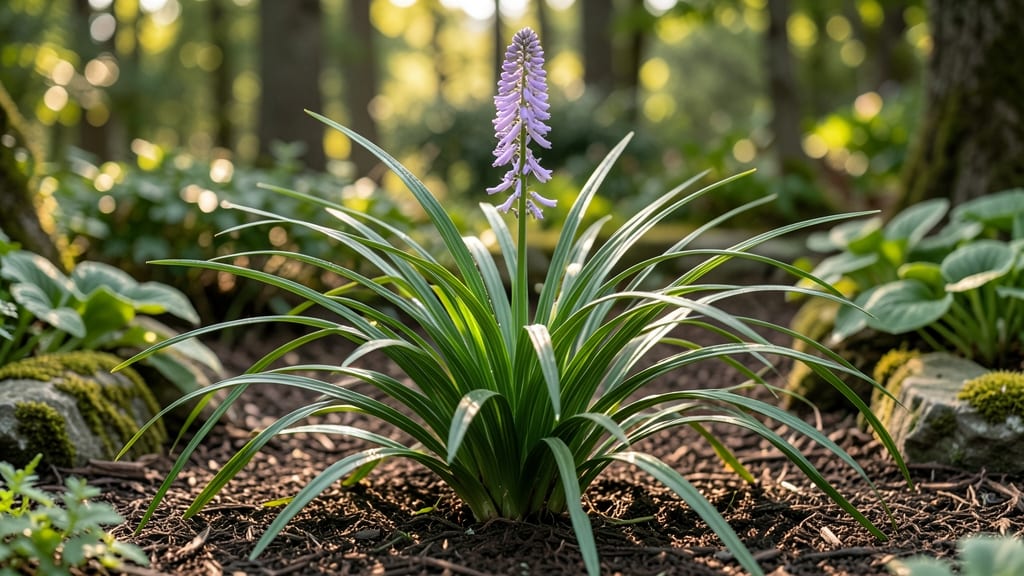
If you’re wondering how tall does monkey grass grow, the answer might surprise you—this hardy plant can range from a neat 1-foot border to towering over your head at 6 feet or more! 🌿 Whether you’re dreaming of a lush, low-maintenance ground cover or a dramatic vertical accent, understanding its growth habits is key to getting the look you want without the unwanted spread.
Monkey grass thrives in USDA Zone 6a and beyond, making it a favorite for gardeners who love its adaptability. But here’s the catch: its height depends heavily on the variety you choose.
Some stay compact, perfect for edging walkways, while others shoot up like a natural privacy screen. I’ll break down the differences so you can pick the right type for your space.
Beyond height, this grass is a landscaping game-changer—eroding control, drought tolerance, and minimal upkeep. But if left unchecked, it can spread aggressively. Don’t worry, I’ll share how to manage its growth so it stays where you want it. Let’s dive into the details!
Ready to transform your garden? Whether you’re planning a spring planting or just curious about its potential, you’ll learn how to harness monkey grass’s full potential—without it taking over. Let’s get started!


Monkey grass height zones: how tall different varieties grow
Monkey grass (Liriope muscari) is a versatile ornamental grass that thrives in USDA zones 4-10, but its height varies dramatically depending on the variety and growing conditions. Most gardeners plant it for its dwarf to medium stature, but some varieties can reach surprising heights if left unchecked.
Understanding these differences helps you plan your garden layout and control its spread.
The most common varieties—Big Blue and Dwarf Lilyturf—offer stark contrasts in height. Big Blue, for example, can grow up to 24 inches tall in ideal conditions, while Dwarf Lilyturf stays compact at just 6-12 inches.
Climate also plays a role: warmer zones (8-10) often see faster, taller growth compared to cooler zones (4-6), where growth may be slower and more controlled.
Here’s a quick comparison of how different varieties mature, along with their ideal growing zones and care considerations:
| Variety | Mature Height | USDA Zones | Spread Width | Sunlight Needs |
|---|---|---|---|---|
| Big Blue (Liriope muscari) | 18-24 inches | 4-10 | 12-18 inches | Full sun to partial shade |
| Dwarf Lilyturf (Liriope spicata) | 6-12 inches | 5-9 | 6-12 inches | Partial shade to full shade |
| Silver Dragon (Liriope muscari) | 12-18 inches | 6-10 | 12-15 inches | Full sun to partial shade |
| Variegata (Liriope muscari) | 15-20 inches | 5-9 | 10-14 inches | Partial shade |
| Monroe White (Liriope muscari) | 18-24 inches | 6-10 | 12-18 inches | Full sun to partial shade |
If you’re planting monkey grass in containers or small gardens, opt for dwarf varieties like Dwarf Lilyturf or Silver Dragon. These stay under 12 inches tall and spread more slowly, making them perfect for patio pots or window boxes.
For larger landscapes, Big Blue or Monroe White provide a bold, upright look that works well as border plants or erosion control along slopes.
One key factor that influences height is pruning frequency. Regular trimming in late winter or early spring keeps growth tidy and prevents the plant from becoming too leggy. Without maintenance, some varieties can reach up to 3 feet tall, especially in rich, well-drained soil with ample sunlight.
Always leave 2-3 inches of stubble after trimming to protect the crown and encourage healthy regrowth.
For gardeners in cooler climates (USDA zones 4-6), growth may be slower, with heights often maxing out at 12-18 inches. In warmer zones (7-10), however, expect faster growth and taller spikes, especially if the plant receives 6+ hours of sunlight daily.
Always match your variety to your climate to avoid disappointment—some dwarf types may stretch taller in ideal conditions.
Another consideration is soil quality. Monkey grass thrives in well-draining soil with a pH of 6.0-7.5. Heavy, compacted soil can stunt growth, while nutrient-rich soil encourages taller, fuller plants. Amend clay soil with compost or sand to improve drainage and promote healthier growth habits.
Pro tip: If you’re using monkey grass for erosion control on slopes, choose taller varieties like Big Blue. Their deep root systems help stabilize soil, while their height provides visual interest.
For ground cover in shady areas, Dwarf Lilyturf is ideal—it stays low, spreads gently, and tolerates lower light conditions better than taller varieties.
Remember, monkey grass is not a true grass but a member of the lily family (Liliaceae). This means it produces grassy-looking foliage with lily-like flowers in late summer or early fall, adding texture and seasonal interest to your garden.
The height of these flower spikes can add an extra 4-6 inches to the plant’s overall stature, so factor that in when planning your design.
🌱
Monkey grass height zones: how tall different varieties grow
Monkey grass (Liriope muscari) is a versatile ornamental plant that thrives in USDA zones 4-10, but its mature height varies dramatically depending on the variety and growing conditions. If you're planning your garden layout, knowing these height ranges will help you choose the perfect fit for your space.
Some varieties stay compact, while others can reach impressive heights—here’s what to expect.
Most monkey grass varieties mature between 12 to 36 inches tall, but this can shift depending on whether you're growing a dwarf, semi-dwarf, or standard type.
For example, Liriope muscari 'Little Dwarf' stays under 12 inches, making it ideal for borders or containers, while Liriope spicata 'Big Blue' can tower up to 36 inches or more. Climate also plays a role—warmer zones like USDA 9-10 often produce taller, more vigorous growth.
| Variety | Mature Height | Spread Width | Best For |
|---|---|---|---|
| Liriope muscari 'Little Dwarf' | 6–12 inches | 12–18 inches | Containers, borders, rock gardens |
| Liriope spicata 'Big Blue' | 24–36 inches | 24–36 inches | Back of borders, mass plantings |
| Liriope muscari 'Silvery Frost' | 12–18 inches | 18–24 inches | Ground cover, slopes, shade gardens |
| Liriope spicata 'Munroe' | 18–24 inches | 24–30 inches | Erosion control, woodland gardens |
If you're in a cooler climate (USDA zones 4-6), expect slightly shorter growth, as colder temperatures can stunt height. Conversely, in warmer zones (USDA 7-10), monkey grass often grows taller and more aggressively.
For example, 'Big Blue' might only reach 24 inches in zone 5 but can hit 36 inches in zone 9 with proper care.
Another factor affecting height is sunlight exposure. While monkey grass tolerates partial shade, it grows most vigorously in full sun (6+ hours daily). If planted in deep shade, expect stunted growth—often 12–18 inches max, regardless of variety.
For optimal height, aim for a balance of morning sun and afternoon shade, especially in hotter regions.
For gardeners in urban or container settings, dwarf varieties like 'Little Dwarf' are ideal, as they rarely exceed 12 inches and fit neatly in pots.
However, if you're using monkey grass for erosion control on slopes, taller varieties like 'Munroe' or 'Big Blue' will provide better coverage and stability. Always measure your space before planting to avoid overcrowding.
Pro tip: If your monkey grass starts to outgrow its intended space, regular pruning in early spring can help control height while encouraging bushier growth. This is especially useful for aggressive spreaders like 'Big Blue', which can quickly fill large areas if left unchecked.